![[e]Photo Stream](/logo.png)

May 15
5 moments across history
Return of Okinawa to Japan
On May 15, 1972, the United States officially returned control of Okinawa to Japan after 27 years of postwar occupation. The ceremony marked the end of American military governance over the Ryukyu Islands and restored full Japanese sovereignty. The reversion was negotiated over years amid local tensions between Okinawans seeking independence and Tokyo seeking unification.
1972: Return of Okinawa to Japan
U-2 Incident

1960: U-2 Incident

Major Cold War espionage incident
On May 1, 1960, the Soviet Union shot down an American U-2 spy plane over Soviet airspace and captured pilot Francis Gary Powers. The incident exposed American aerial reconnaissance operations and triggered a major diplomatic crisis. Soviet Premier Nikita Khrushchev used the incident to embarrass President Eisenhower and derail the upcoming Paris Summit.
Launch of Sputnik 3
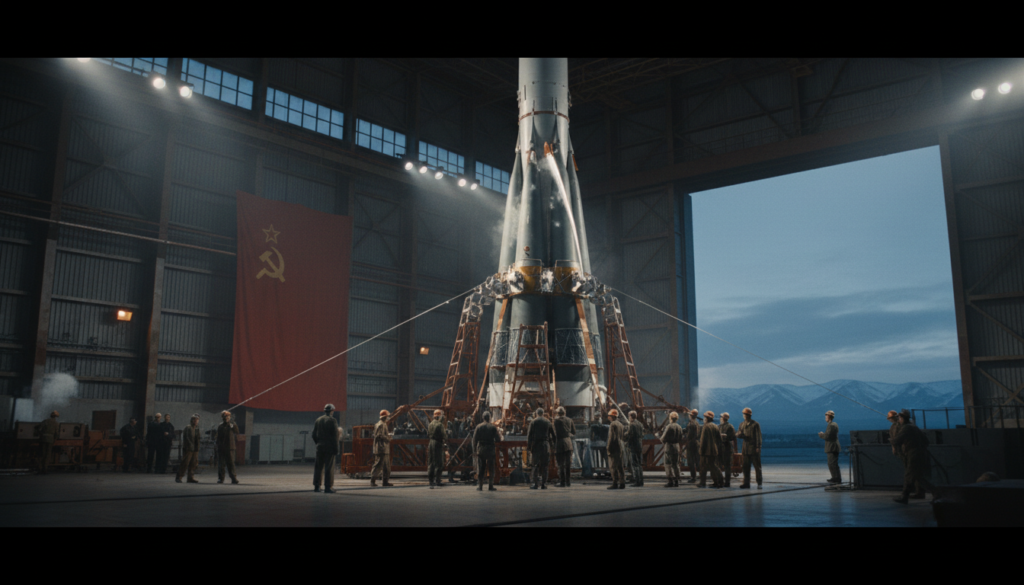
1958: Launch of Sputnik 3

First dedicated Soviet scientific space mission
On May 15, 1958, the Soviet Union launched Sputnik 3, a massive scientific satellite weighing over 1,300 kilograms. It carried an extensive array of instruments to study Earth's radiation belts, ionosphere, and cosmic rays. The mission represented the Soviet Union's shift from simple political propaganda satellites to serious scientific space exploration.
Polish–Soviet Border Agreement

1951: Polish–Soviet Border Agreement
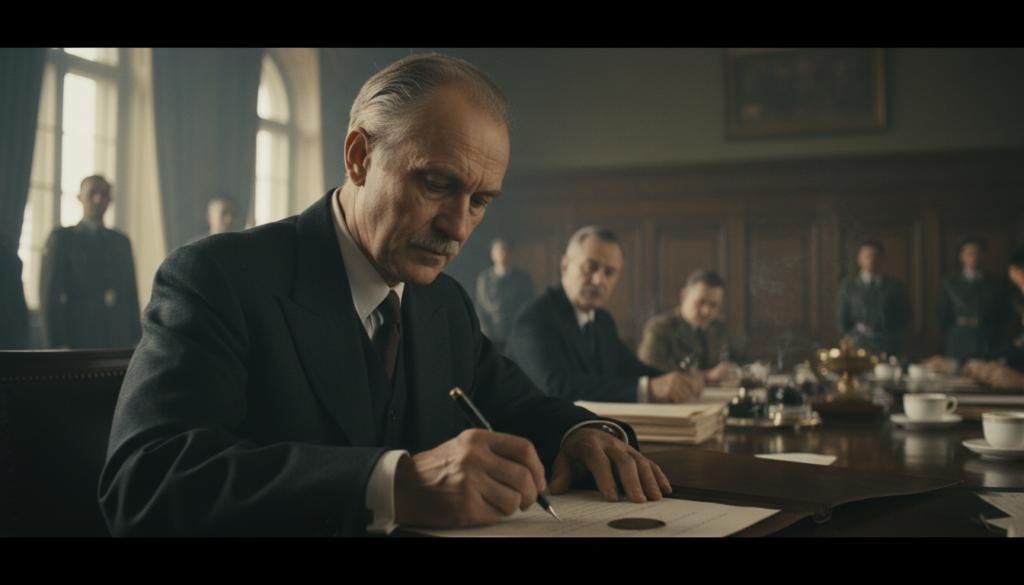
Post-WWII border settlement formalizing the Curzon Line
On May 15, 1951, representatives of Poland and the Soviet Union signed a border agreement in Moscow that formally established their current boundaries. The treaty confirmed the Curzon Line as the permanent frontier, reflecting territorial shifts agreed upon at the Potsdam and Tehran conferences. The agreement solidified Poland's postwar western border while ceding eastern territories to Soviet Ukraine and Belarus.
First Airline Stewardess
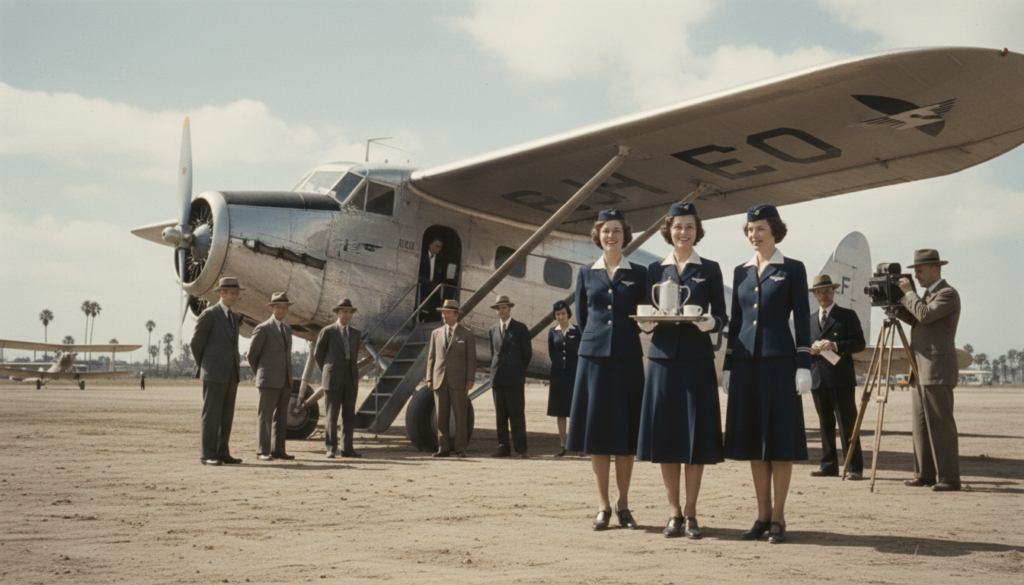
1930: First Airline Stewardess

Registered nurse pioneers the flight attendant role
On May 15, 1930, registered nurse Ellen Church made history by becoming the world's first airline stewardess aboard a Boeing Air Transport flight from San Francisco to Cheyenne. Church had proposed the idea to airline executives, arguing that nurses would reassure nervous passengers and provide medical assistance. Her pioneering role established the profession of flight attendant and opened new career opportunities for women in aviation.