![[e]Photo Stream](/logo.png)
May 7
5 moments across history
RMS Lusitania Is Sunk
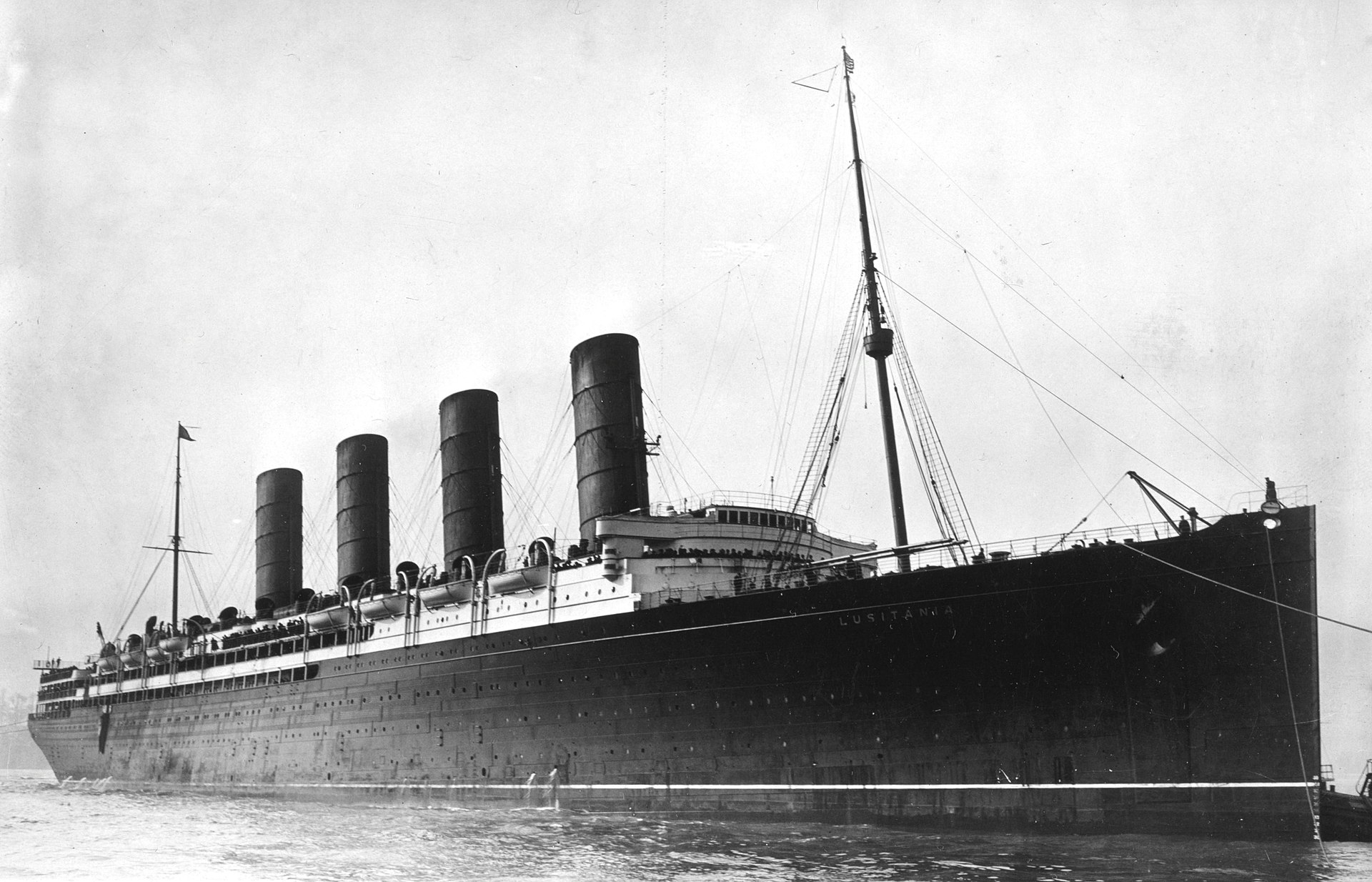
On May 7, 1915, the British ocean liner RMS Lusitania was torpedoed by German submarine U-20 off the coast of Ireland. The ship sank in less than twenty minutes, killing 1,198 passengers and crew, including 128 Americans. Germany argued that the liner was carrying war materiel, while Britain and the United States emphasized the civilian toll and the shock of unrestricted submarine warfare. The disaster transformed public opinion during World War I. In the United States, it did not immediately bring the country into the war, but it became one of the defining symbols used to argue that German submarine tactics threatened neutral rights and civilian life. The sinking deepened diplomatic tensions and helped set the stage for America’s eventual entry into the conflict in 1917.
RMS Lusitania — the British ocean liner before the war, seen approaching port in New York, ca. 1907–13.
Germany Signs Surrender at Reims
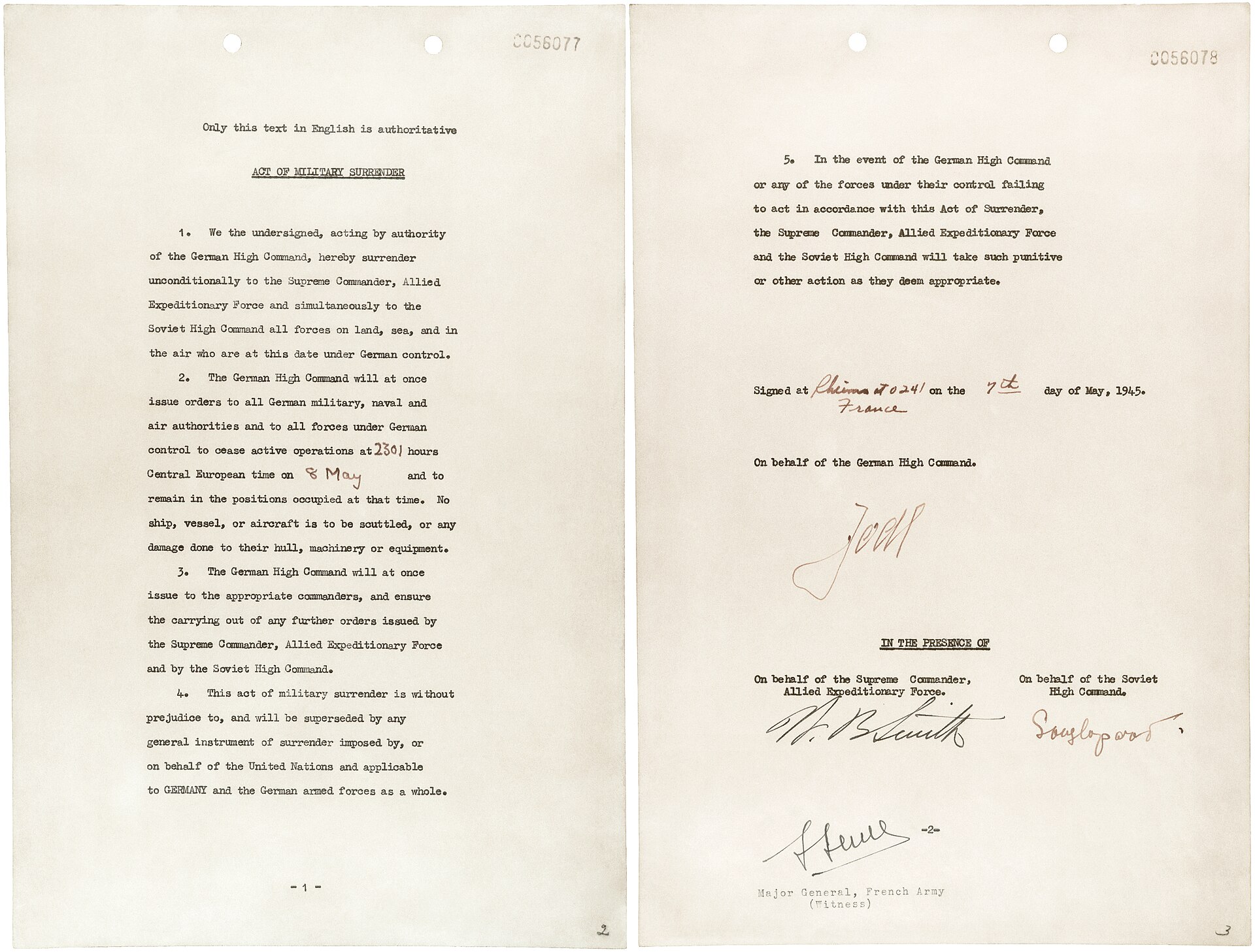
The German Instrument of Surrender document signed at Reims, France, on May 7, 1945.
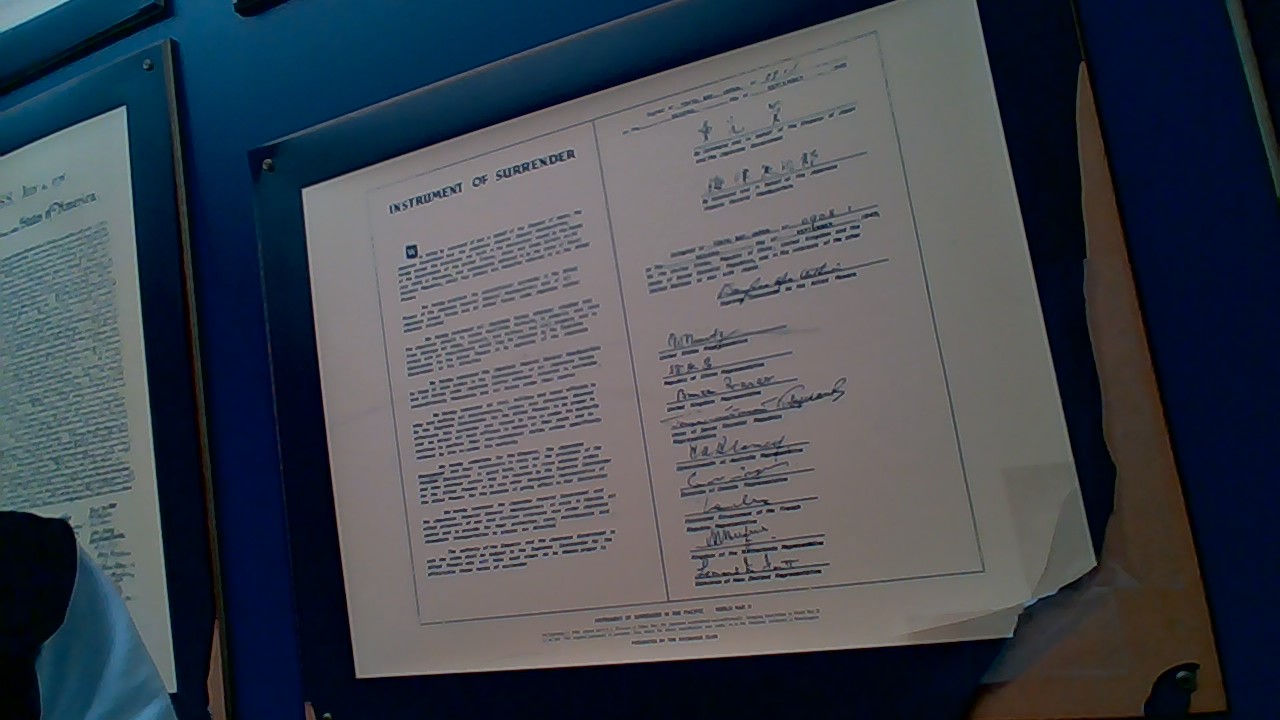
Signed copy of the Instrument of Surrender that ended World War II in Europe.
On May 7, 1945, German representatives signed an unconditional surrender at Allied headquarters in Reims, France. The agreement required German forces to cease operations across Europe, effectively ending the European theater of World War II. A second signing in Berlin followed to satisfy Soviet requirements, but the Reims surrender marked the decisive legal step toward Victory in Europe. The moment closed nearly six years of catastrophic war on the continent. Cities lay in ruins, millions had been displaced, and the full horror of the Holocaust was coming into public view. The surrender opened the postwar era: Allied occupation, the division of Germany, reconstruction, and the emerging Cold War order that would shape Europe for decades.
Dien Bien Phu Falls
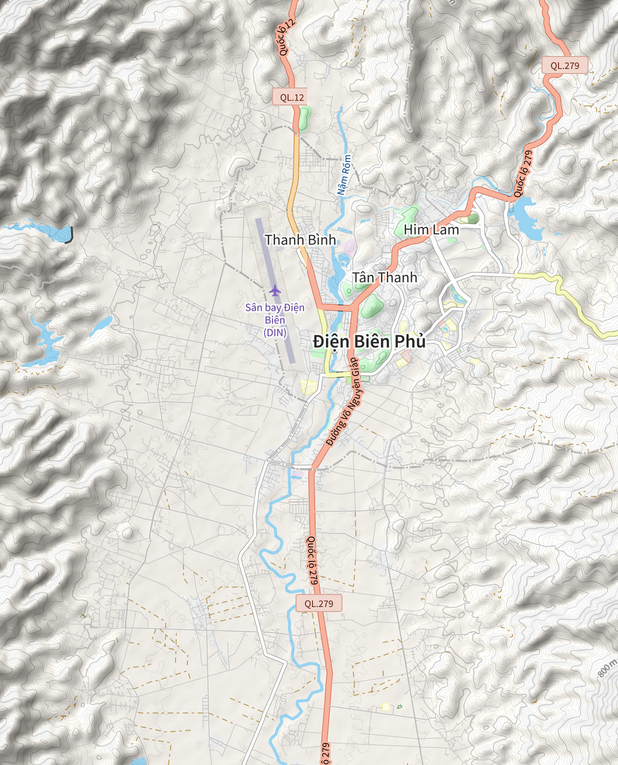
Map of the Dien Bien Phu valley showing the surrounding highlands where Viet Minh artillery was positioned.

Modern view of Dien Bien Phu — the once-remote valley where the 1954 siege ended French Indochina.
On May 7, 1954, the French garrison at Dien Bien Phu surrendered to the Viet Minh after a brutal siege in northwestern Vietnam. French commanders had hoped to draw the Viet Minh into a conventional battle, but Vietnamese forces under General Vo Nguyen Giap hauled artillery into the surrounding hills and methodically overwhelmed the base. The defeat shattered France’s position in Indochina and led directly to the Geneva Conference, where Vietnam was temporarily divided at the 17th parallel. What began as the end of French colonial rule became the opening act of a larger Cold War struggle, setting the conditions for deeper American involvement and the Vietnam War.
Space Shuttle Endeavour Launches on STS-49
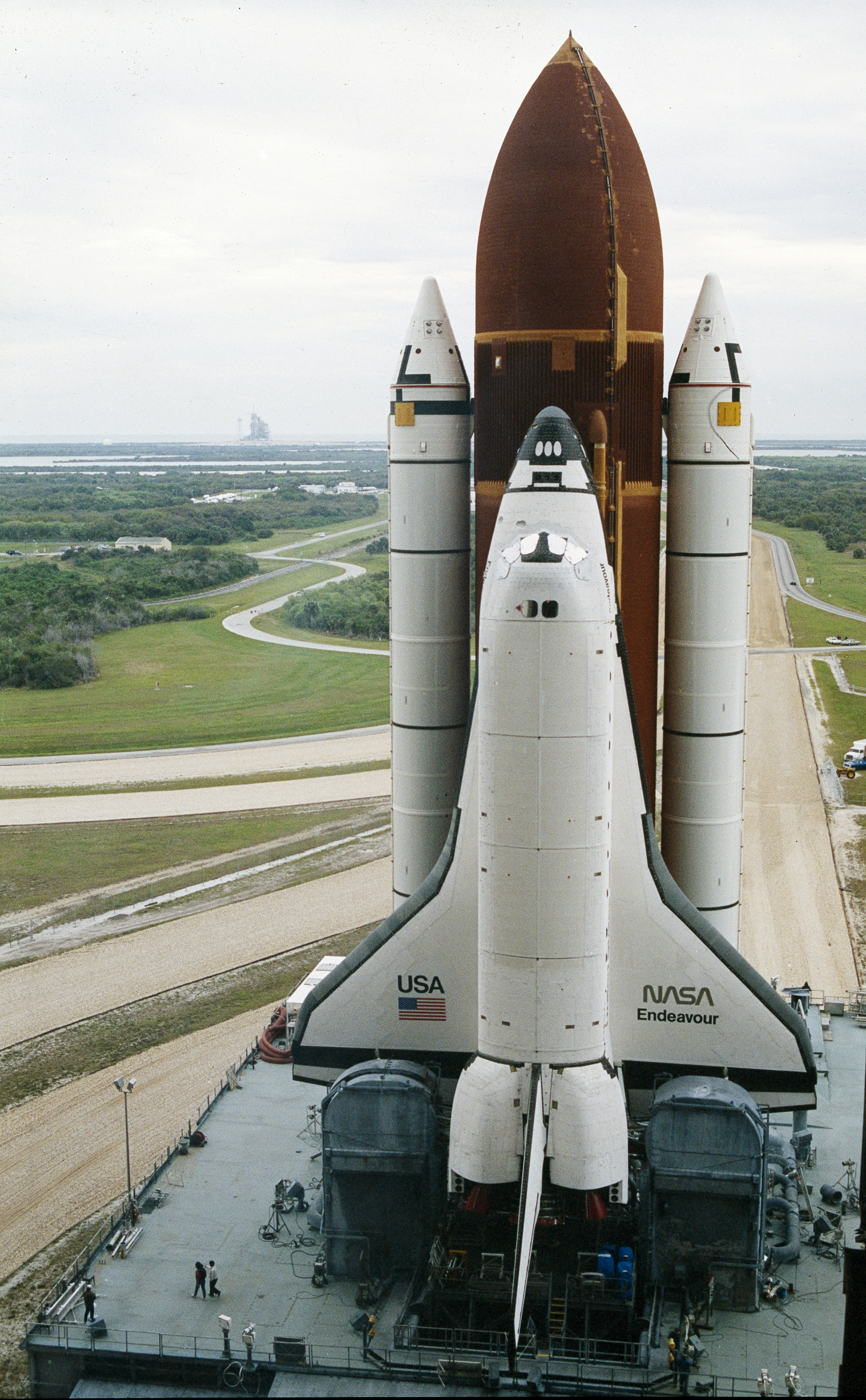
Space Shuttle Endeavour on its maiden flight, STS-49, lifting off on May 7, 1992.
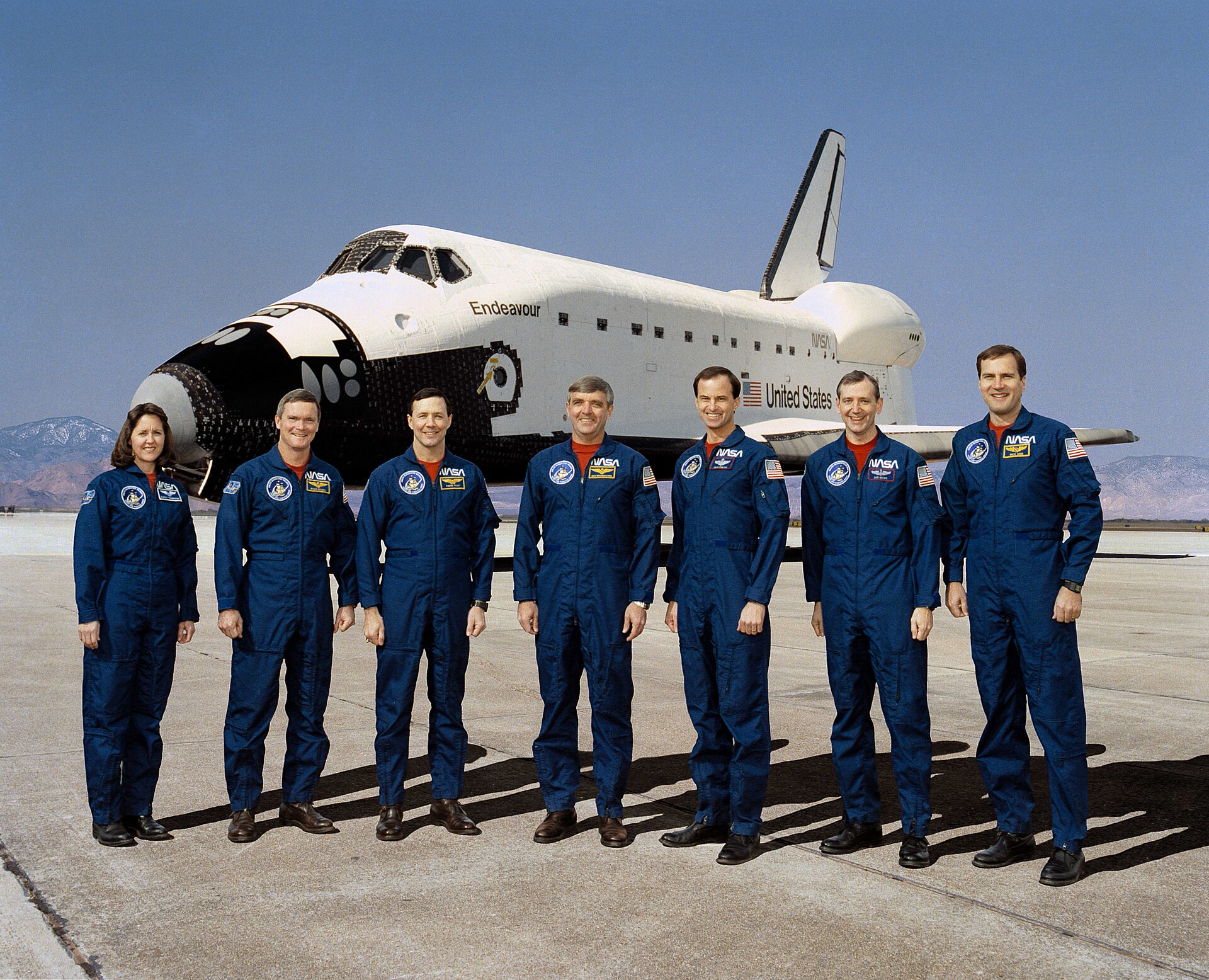
Official STS-49 crew portrait — the mission that performed the first-ever three-person spacewalk to capture Intelsat VI.
On May 7, 1992, NASA launched Space Shuttle Endeavour on STS-49, the orbiter’s first mission. Built as a replacement after the Challenger disaster, Endeavour carried a crew tasked with capturing and repairing the stranded Intelsat VI satellite. The mission required a dramatic three-person spacewalk, the first of its kind, to manually secure the satellite for repair. Endeavour’s debut represented both recovery and renewed ambition for the shuttle program. The mission demonstrated extraordinary orbital repair capability and became one of NASA’s most memorable examples of astronaut problem-solving under pressure.
Daimler-Benz and Chrysler Announce Merger
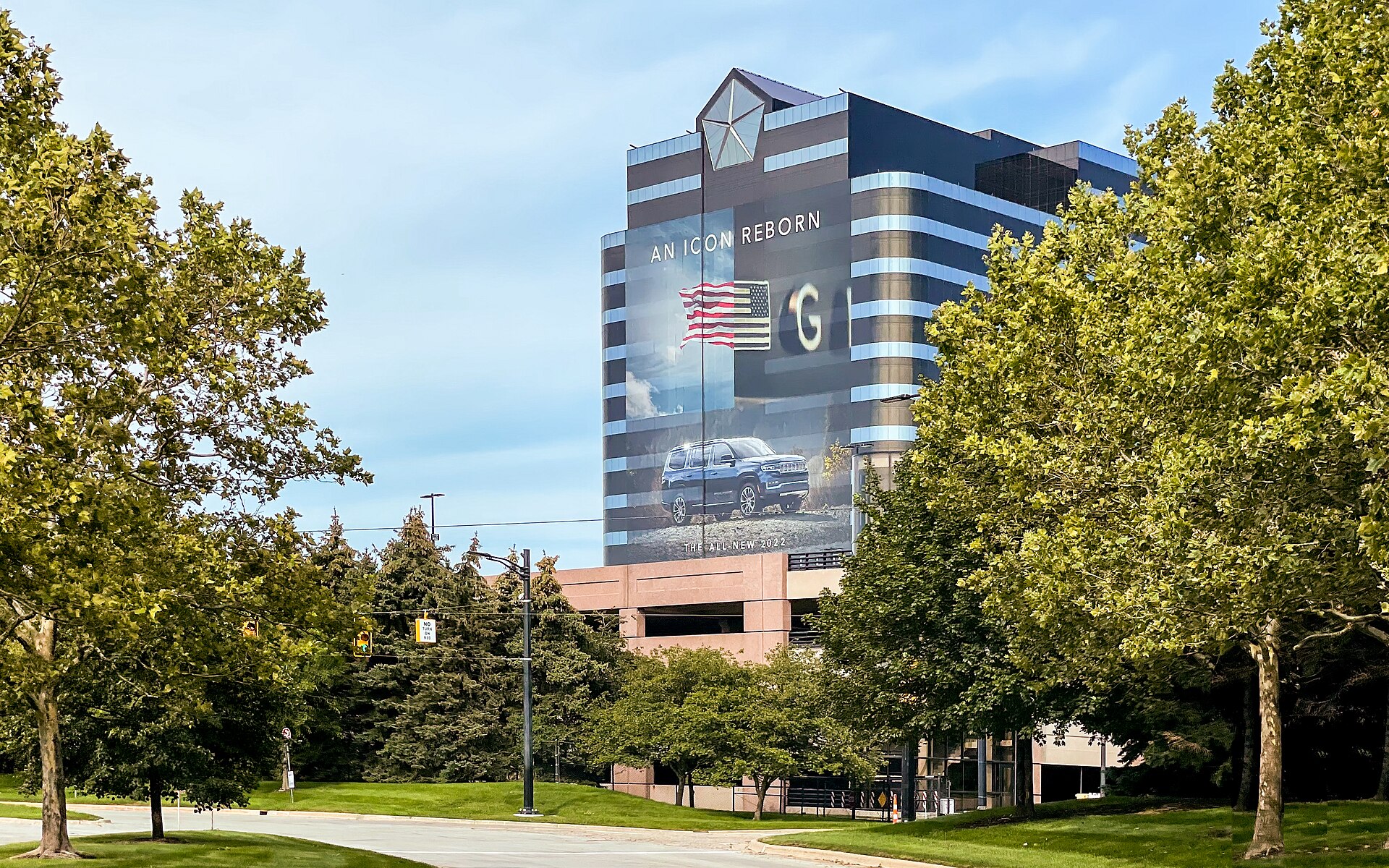
Chrysler World Headquarters and Technology Center in Auburn Hills, Michigan — Chrysler's base at the time of the 1998 merger.
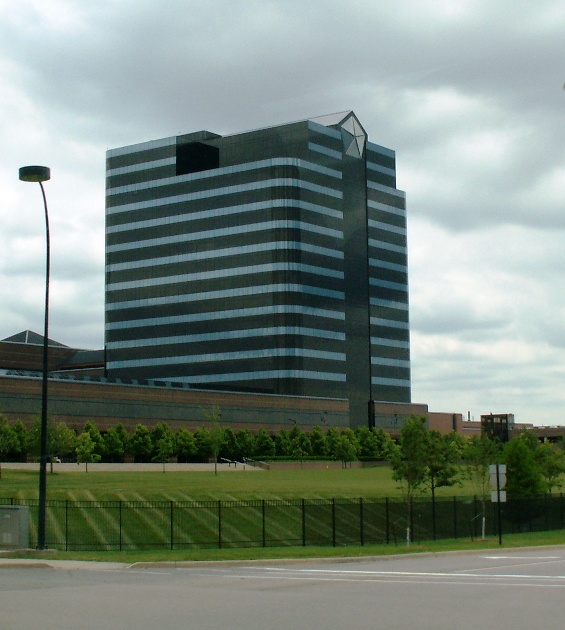
Chrysler's Auburn Hills campus, center of the Daimler-Chrysler integration announced May 7, 1998.
On May 7, 1998, Daimler-Benz and Chrysler announced a planned merger that would create DaimlerChrysler, one of the largest automotive companies in the world. Marketed as a “merger of equals,” the deal promised global scale, shared engineering, and access to broader markets across Europe and North America. The merger became a defining example of the ambitions and hazards of late-1990s globalization. Cultural differences, strategic disagreements, and uneven performance complicated the partnership, and Daimler later separated from Chrysler. The announcement remains an important case study in cross-border corporate integration and the limits of scale-driven dealmaking.