![[e]Photo Stream](/logo.png)
May 8
5 moments across history
Victory in Europe Day
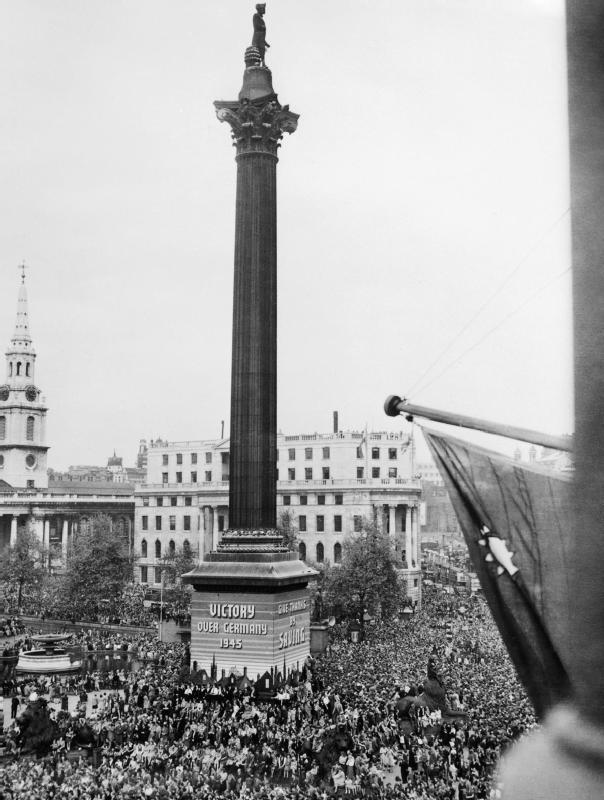
On May 8, 1945, Victory in Europe Day was celebrated across the Allied nations, marking the formal end of World War II in Europe. A day earlier, German forces had signed an unconditional surrender at Reims; on May 8 the news was made public, and millions poured into the streets of London, Paris, New York, and cities across the Allied world. King George VI and Prime Minister Winston Churchill addressed jubilant crowds in London, where people gathered in Whitehall, Trafalgar Square, and outside Buckingham Palace. For civilians and soldiers alike, VE Day marked the end of nearly six years of bombing, rationing, displacement, and loss — though war continued in the Pacific for three more months.
VE Day celebrations in London, 8 May 1945 — crowds filling the streets as news of Germany's surrender is made public.
Coca-Cola Is First Sold

Atlanta — Coca-Cola's hometown, where John Pemberton first sold the drink on May 8, 1886.
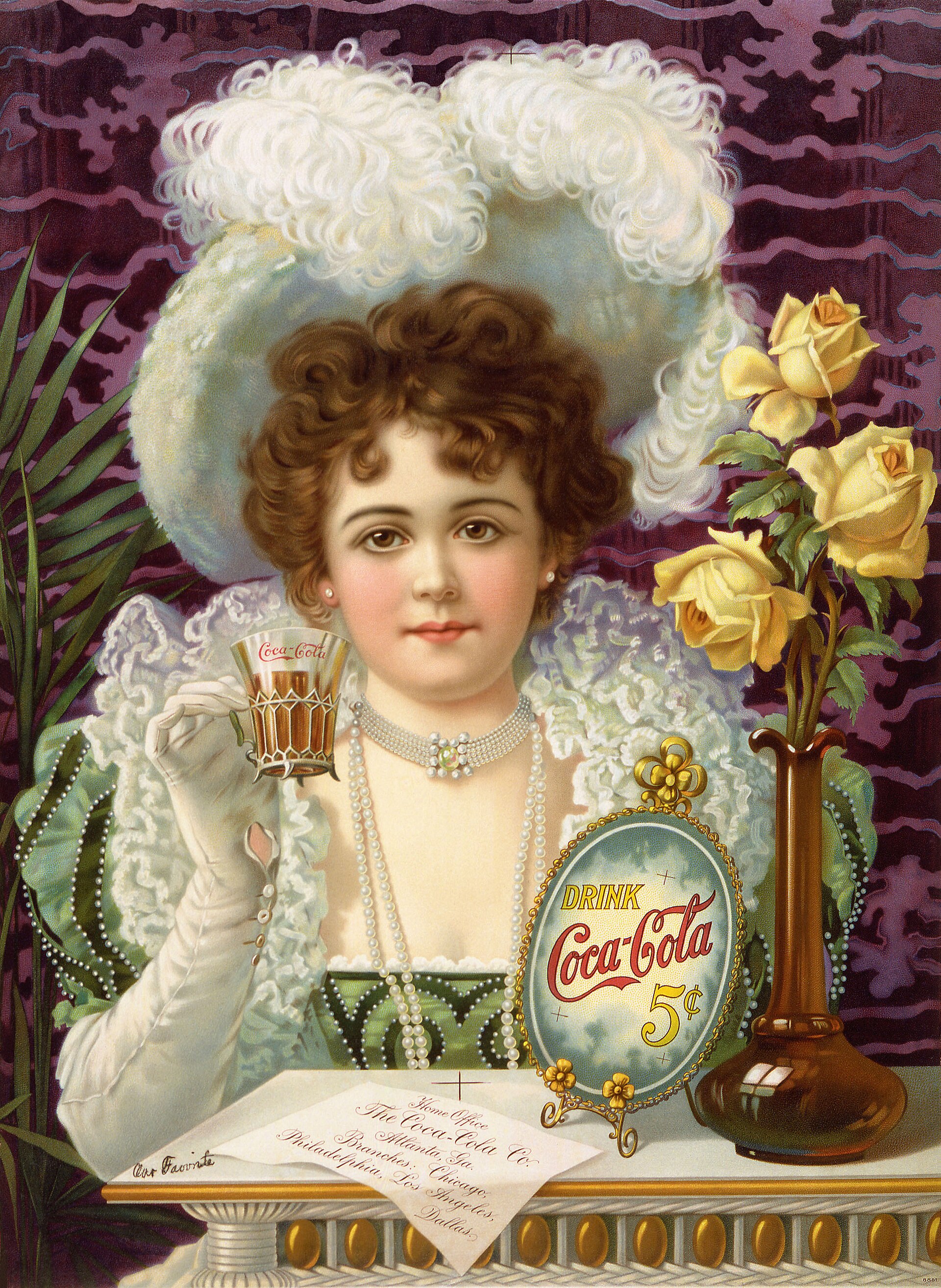
Early Coca-Cola advertisement (circa 1900), when a glass still cost five cents at the soda fountain.
On May 8, 1886, pharmacist John Pemberton first sold Coca-Cola at Jacobs' Pharmacy in Atlanta, Georgia, as a five-cent fountain drink. Originally marketed as a medicinal tonic, the beverage was developed from coca leaf and kola nut extracts and served with carbonated water at the soda fountain. Pemberton sold only a handful of servings on that first day. But Coca-Cola would go on to become one of the most recognized consumer brands in the world, and the Atlanta-born drink reshaped advertising, bottling, and global distribution across the twentieth century.
German Surrender Ratified in Berlin
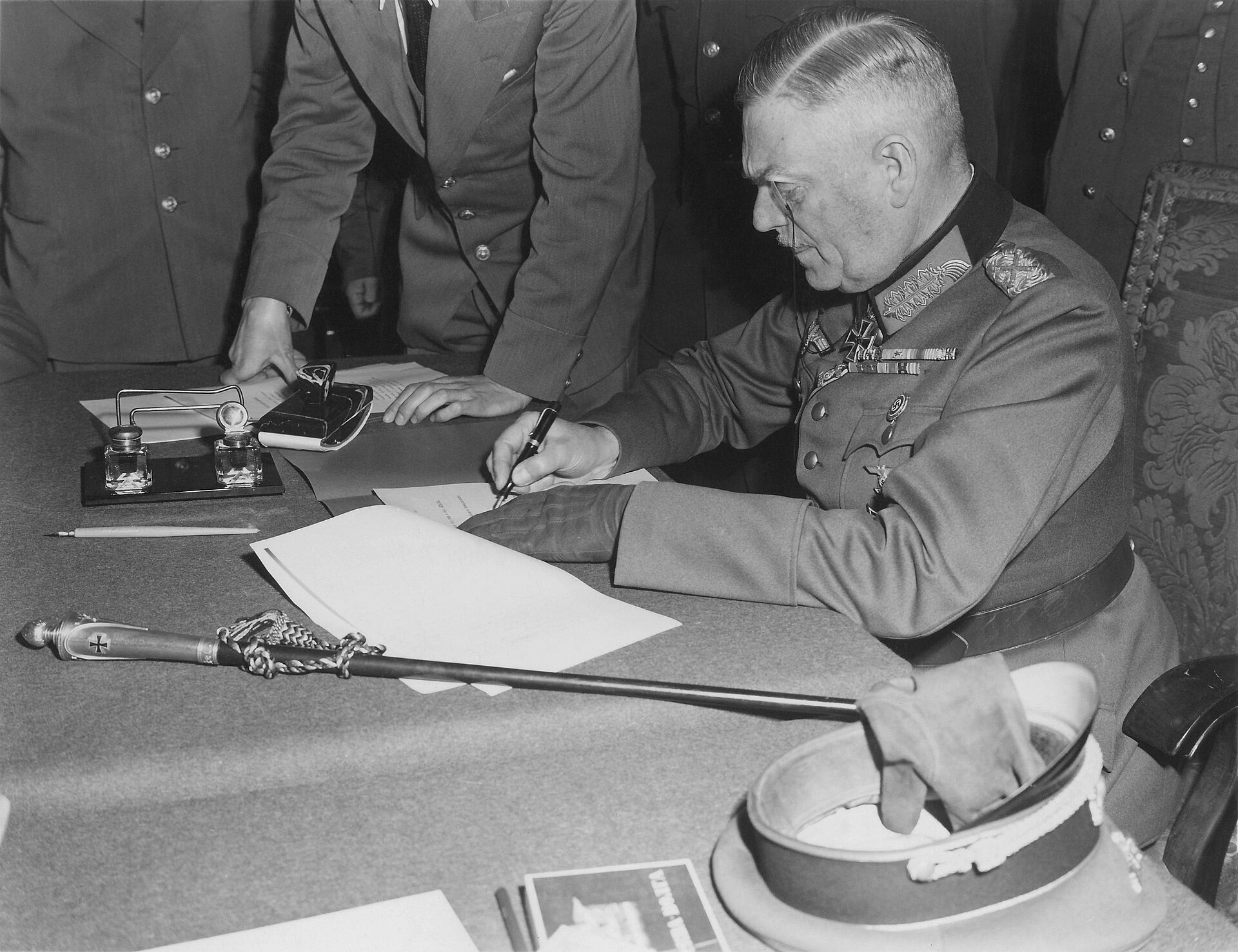
Field Marshal Wilhelm Keitel signs the German surrender terms in Berlin, 8 May 1945.
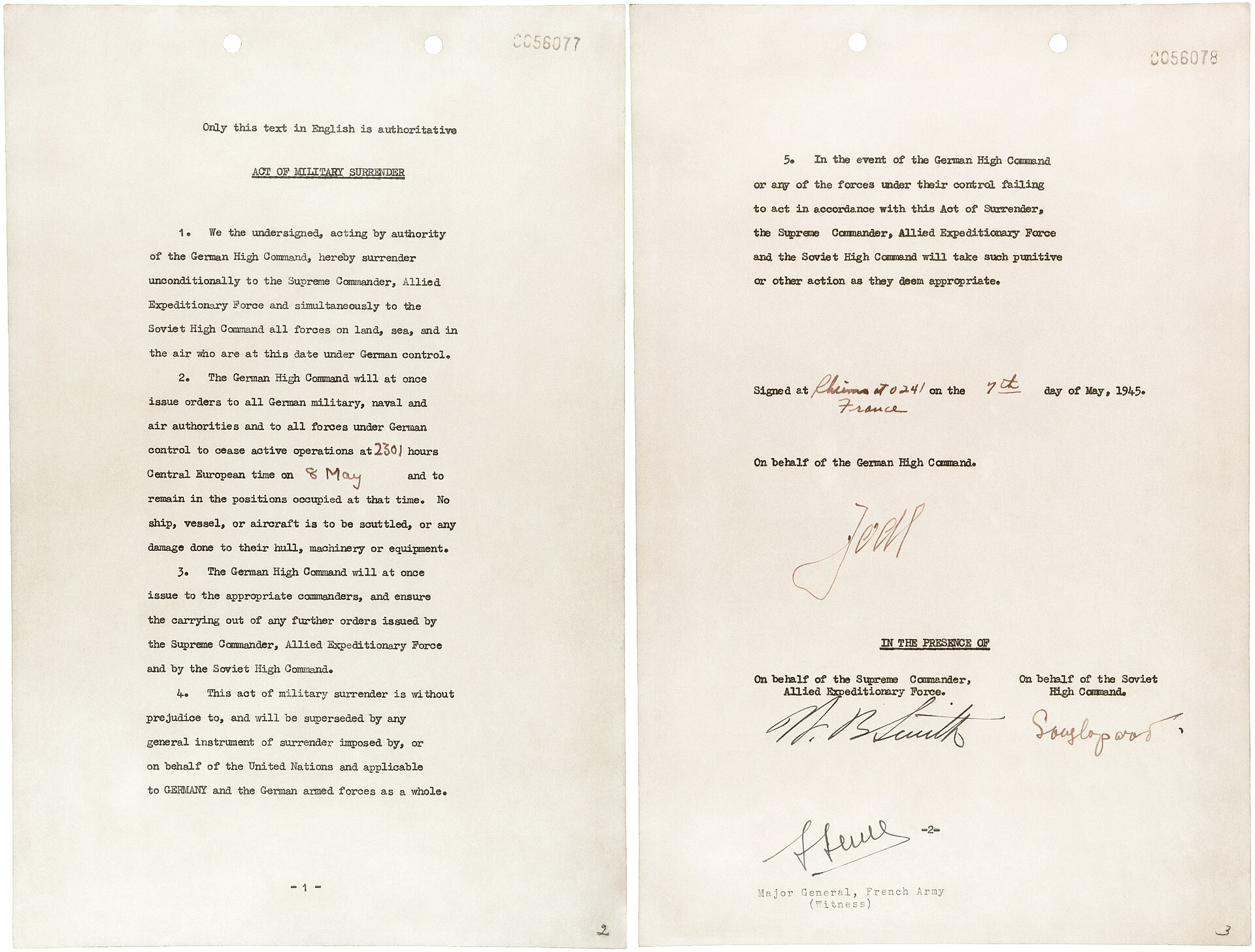
The German Instrument of Surrender — the document that ended the war in Europe.
On May 8, 1945, a second signing of the German Instrument of Surrender took place in the Berlin suburb of Karlshorst, ratifying the earlier Reims surrender of May 7. Field Marshal Wilhelm Keitel signed on behalf of the German High Command in the presence of Soviet Marshal Georgy Zhukov and representatives of the Western Allies. The Berlin signing satisfied Soviet requirements for a formal surrender on German soil and aligned the legal end of hostilities across all Allied commands. Because the signing ran past midnight Moscow time, the Soviet Union has historically commemorated Victory Day on May 9 while Western nations mark VE Day on May 8.
Soviet Union Boycotts Los Angeles Olympics
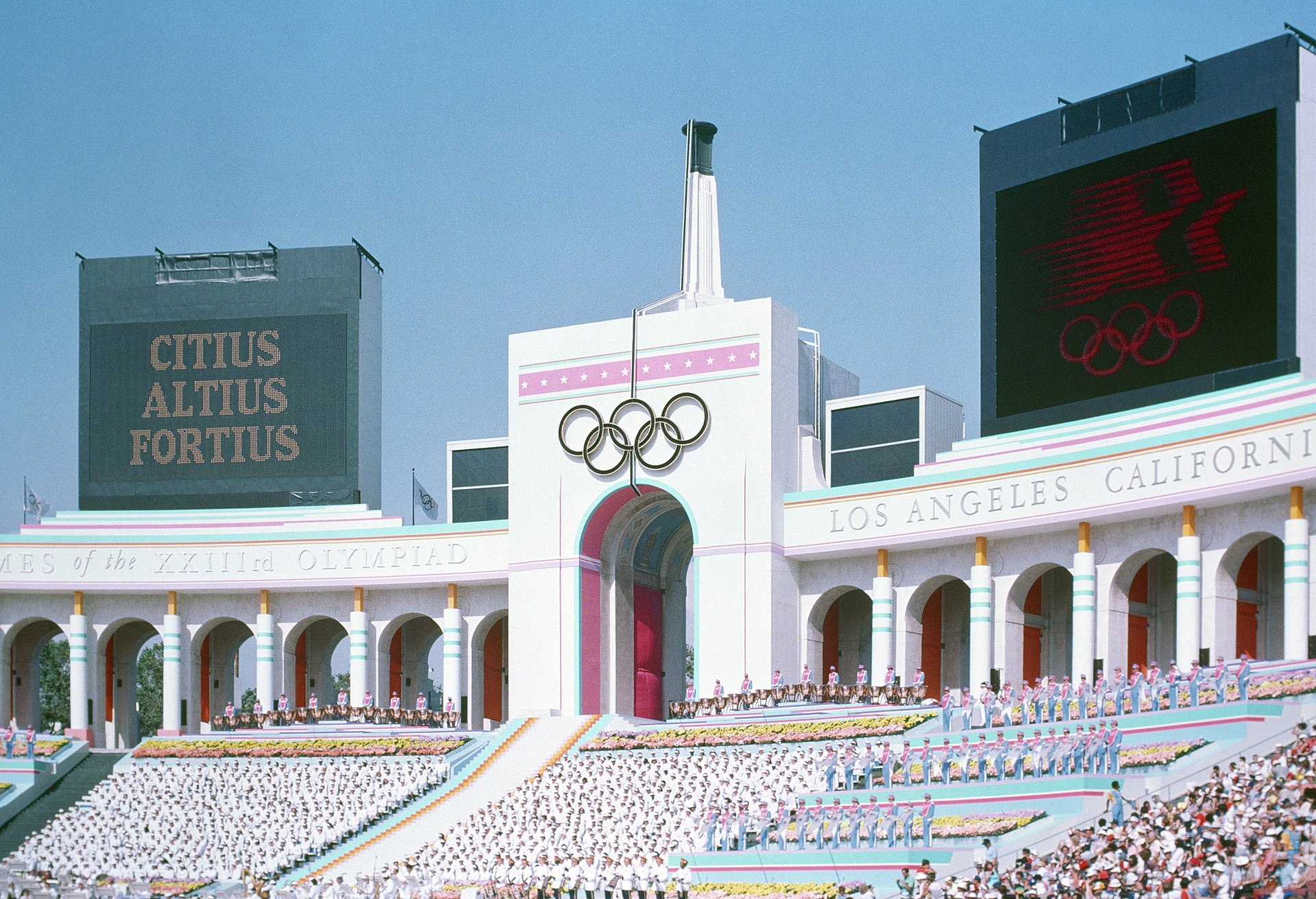
The Olympic torch at the Los Angeles Memorial Coliseum, site of the 1984 Summer Olympics.
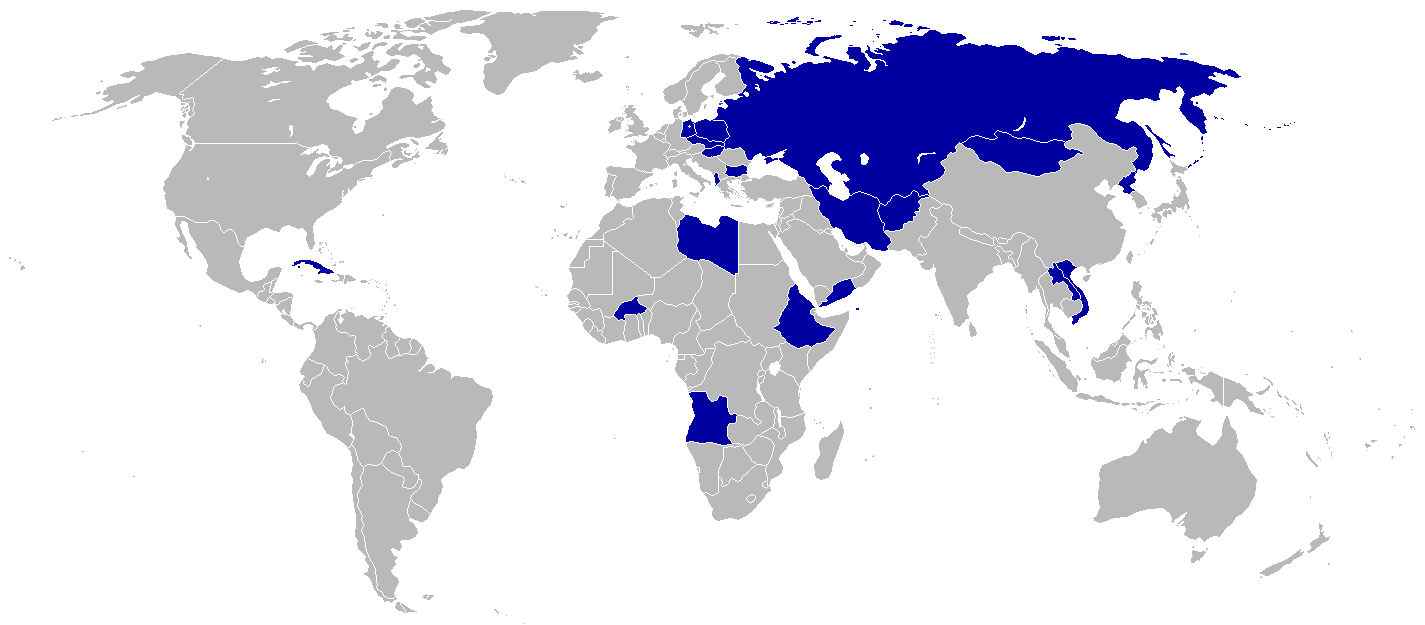
Map of countries (in blue) that joined the Soviet-led boycott of the 1984 Los Angeles Olympics.
On May 8, 1984, the Soviet Union announced that it would boycott the Summer Olympic Games scheduled for Los Angeles later that year, citing concerns over security and what it called anti-Soviet hysteria in the United States. Fourteen other Eastern Bloc nations followed, joining the Soviet-led boycott. The move came four years after the United States and sixty-five other countries had boycotted the 1980 Moscow Olympics in protest of the Soviet invasion of Afghanistan. The 1984 boycott weakened the competitive field in several sports and reinforced the degree to which the Olympic Games had become a Cold War proxy throughout the 1980s.
Smallpox Declared Eradicated by WHO
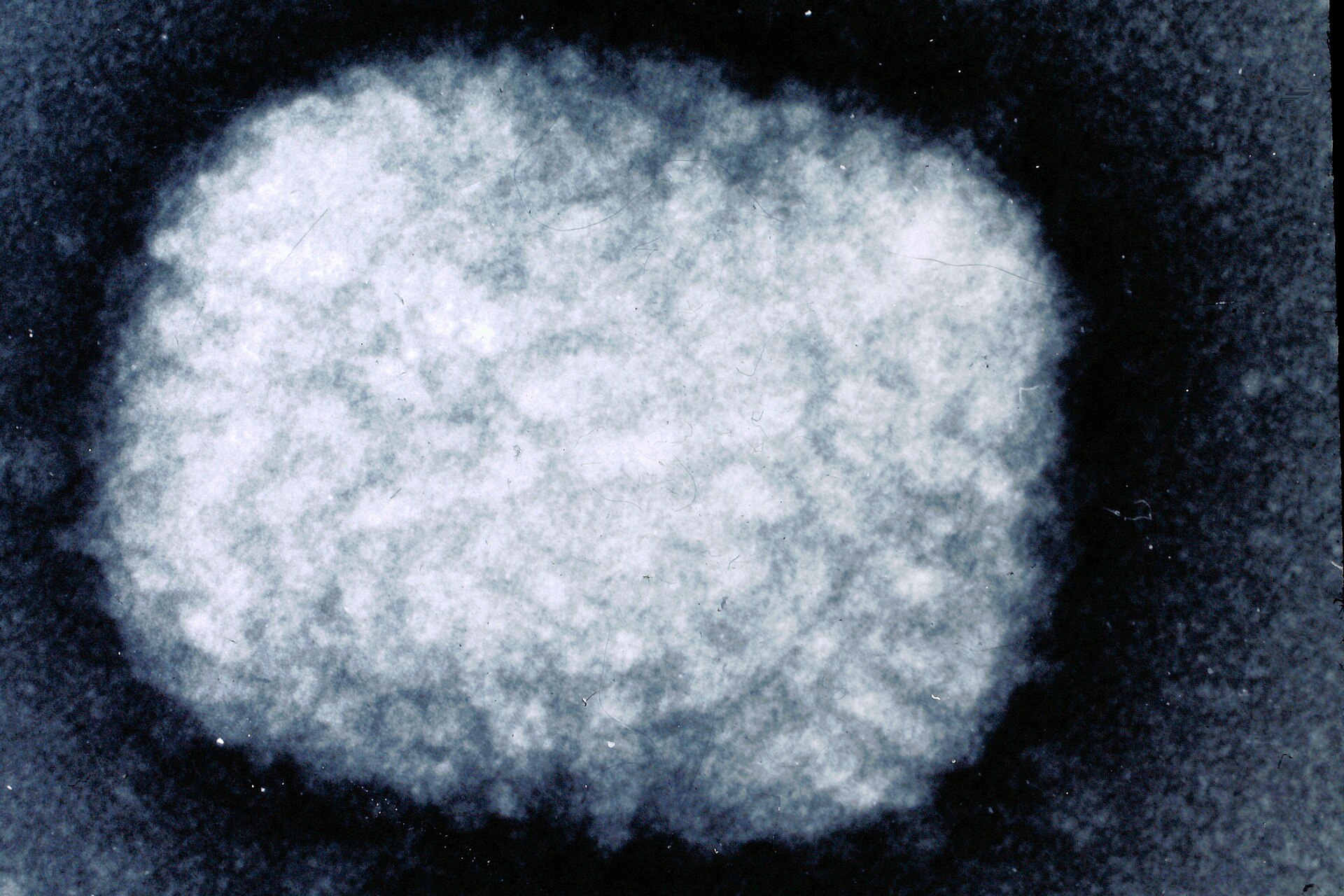
Electron micrograph of the variola (smallpox) virus — the pathogen declared eradicated on 8 May 1980.
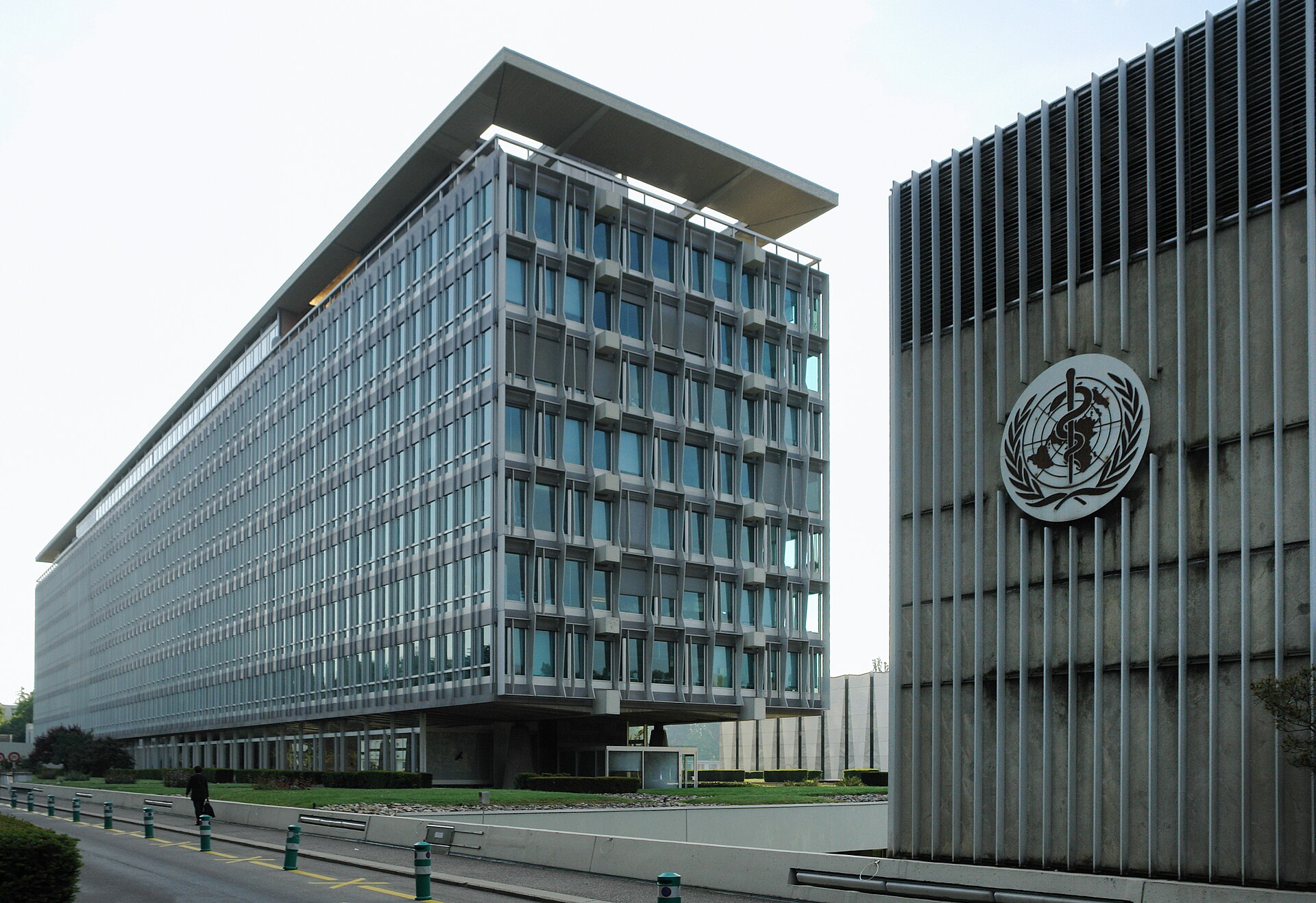
The World Health Organization headquarters in Geneva, where the 1980 eradication declaration was made.
On May 8, 1980, the World Health Organization's World Health Assembly formally declared smallpox eradicated — the first and still the only human infectious disease to be eliminated worldwide. The declaration followed a decade-long global vaccination campaign coordinated through WHO, with mass immunization and ring-vaccination strategies deployed across Africa, Asia, and South America. Smallpox had killed an estimated 300 million people in the twentieth century alone. Its eradication remains one of public health's greatest achievements and a reference point for every subsequent global disease-elimination effort, from polio to guinea worm.