![[e]Photo Stream](/logo.png)

May 16
5 moments across history
The Start of China's Cultural Revolution
On May 16, 1966, the Chinese Communist Party issued the May 16 Notification, officially launching the Cultural Revolution. The document, drafted under Mao Zedong's supervision, condemned "revisionist" tendencies within the party and called for a purge of capitalist elements. This marked the beginning of a decade-long political movement that would devastate Chinese society, economy, and culture.
1966: The Start of China's Cultural Revolution
Signing of the Warsaw Pact
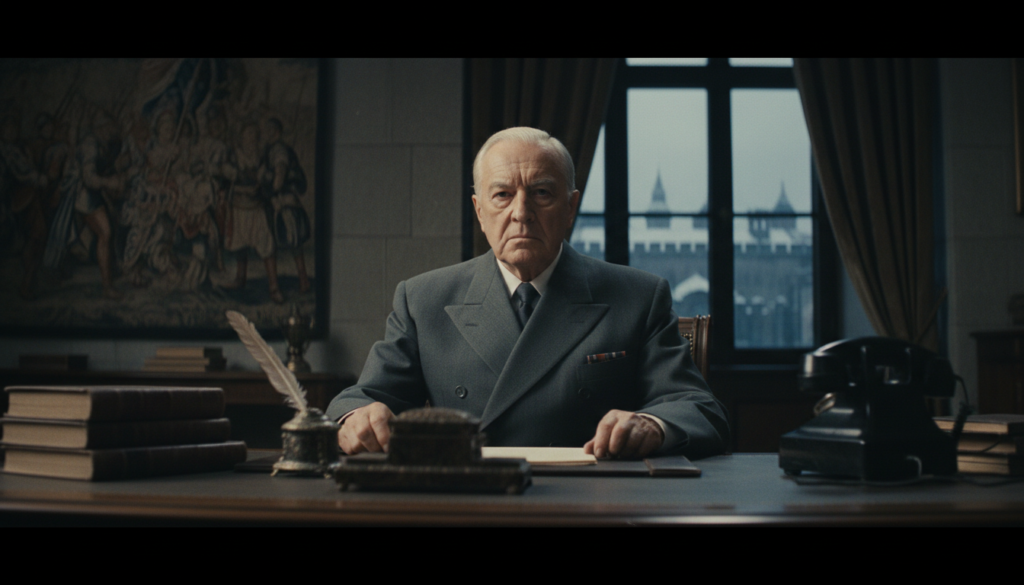
1955: Signing of the Warsaw Pact
Cold War military alliance established as a counterbalance to NATO
On May 14, 1955, the Soviet Union and seven Eastern Bloc countries signed the Warsaw Pact in Warsaw, Poland. The treaty established a mutual defense organization as a direct counterbalance to NATO. The alliance ensured Soviet military dominance over Eastern Europe for the next 35 years until its dissolution in 1991.
The Dambusters Raid

1943: The Dambusters Raid

Operation Chastise targets the Ruhr Valley's industrial water supply
On the night of May 16-17, 1943, RAF No. 617 Squadron carried out Operation Chastise, attacking German dams in the Ruhr Valley with revolutionary bouncing bombs. Designed by Barnes Wallis, the cylindrical bombs skipped across water to reach the dam walls. The raid successfully breached two dams and damaged a third, temporarily disrupting German industrial production.
First Academy Awards Ceremony

1929: First Academy Awards Ceremony

Honoring films from 1927-1928
On May 16, 1929, the Academy of Motion Picture Arts and Sciences held its first awards ceremony at the Hollywood Roosevelt Hotel. About 270 guests attended the private banquet honoring films from 1927-1928. "Wings" won Best Picture while Emil Jannings and Janet Gaynor received the first acting awards, establishing what would become the world's most prestigious film honors.
US Congress Approves the Nickel
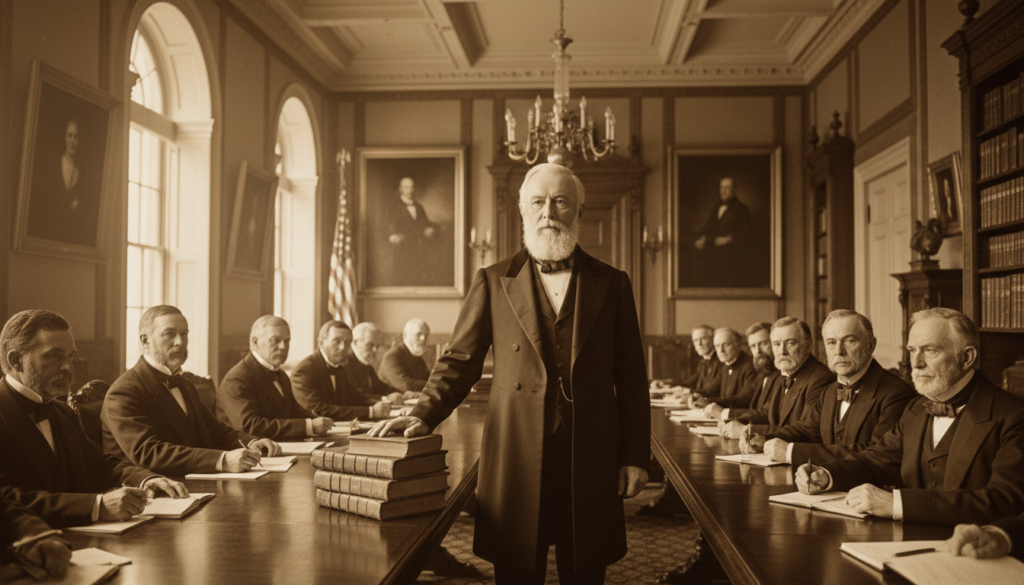
1866: US Congress Approves the Nickel

Replacing the silver half dime for everyday commerce
On May 16, 1866, the United States Congress approved the creation of the nickel five-cent coin to replace the silver half dime. The new coin featured a shield design and was composed of copper and nickel, making it more durable for everyday circulation. This currency reform addressed the shortage of small-denomination coins following the Civil War.