![[e]Photo Stream](/logo.png)
May 11
5 moments across history
2010 – David Cameron becomes Prime Minister after historic hung parliament
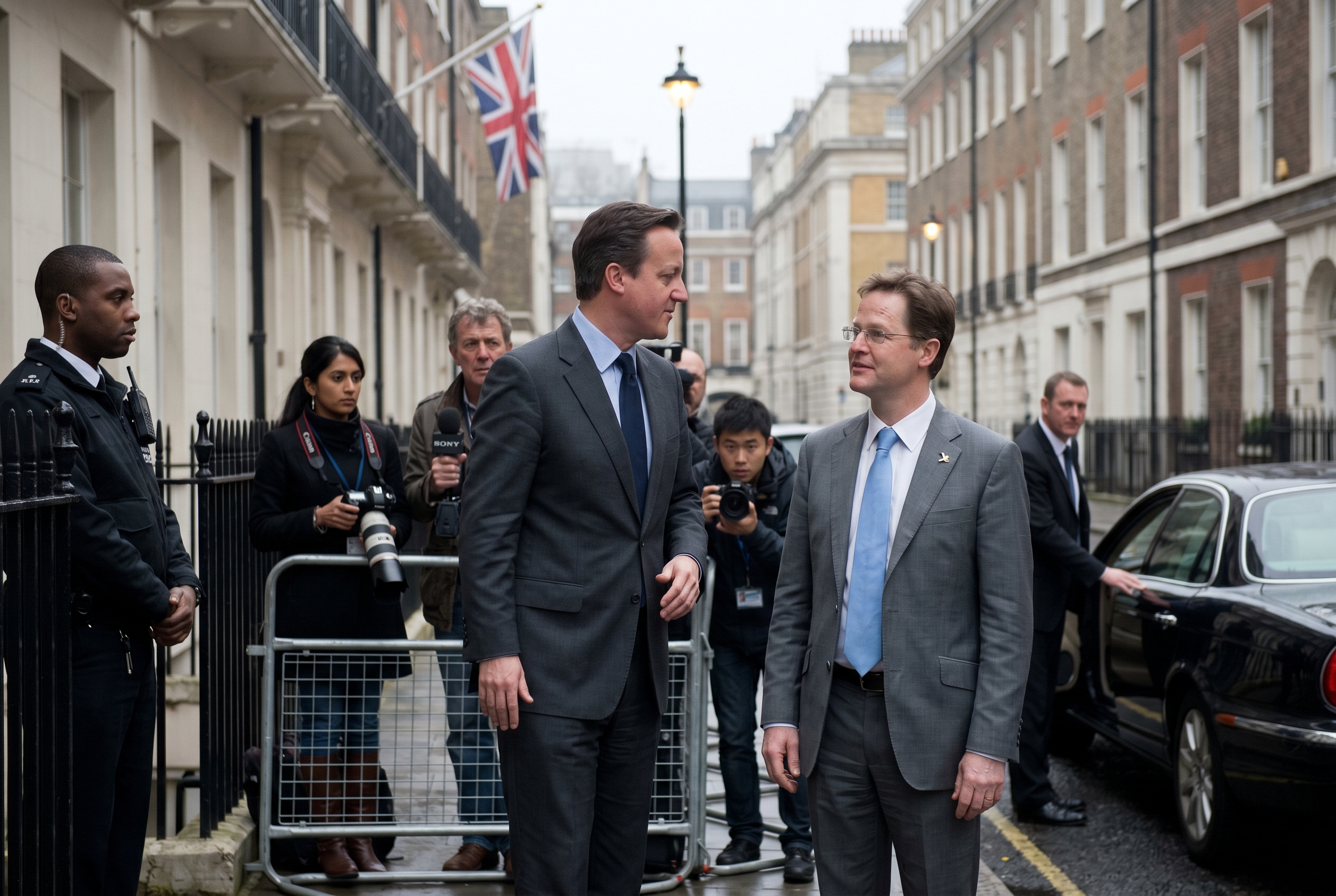
On May 11, 2010, David Cameron became Prime Minister after the general election produced a hung parliament, leading to the first coalition government since World War II, a Conservative–Liberal Democrat partnership. This mattered because it introduced austerity policies aimed at reducing the deficit and reshaped British politics by demonstrating multi-party cooperation in a traditionally two-party system. Historically, the coalition marked a departure from post-war single-party majority rule, reflecting the public’s fragmented voting patterns and the lasting impact of the 2008 financial crisis.
David Cameron addresses Britain after forming the Conservative–Liberal Democrat coalition.
1997 – Deep Blue Defeats Kasparov
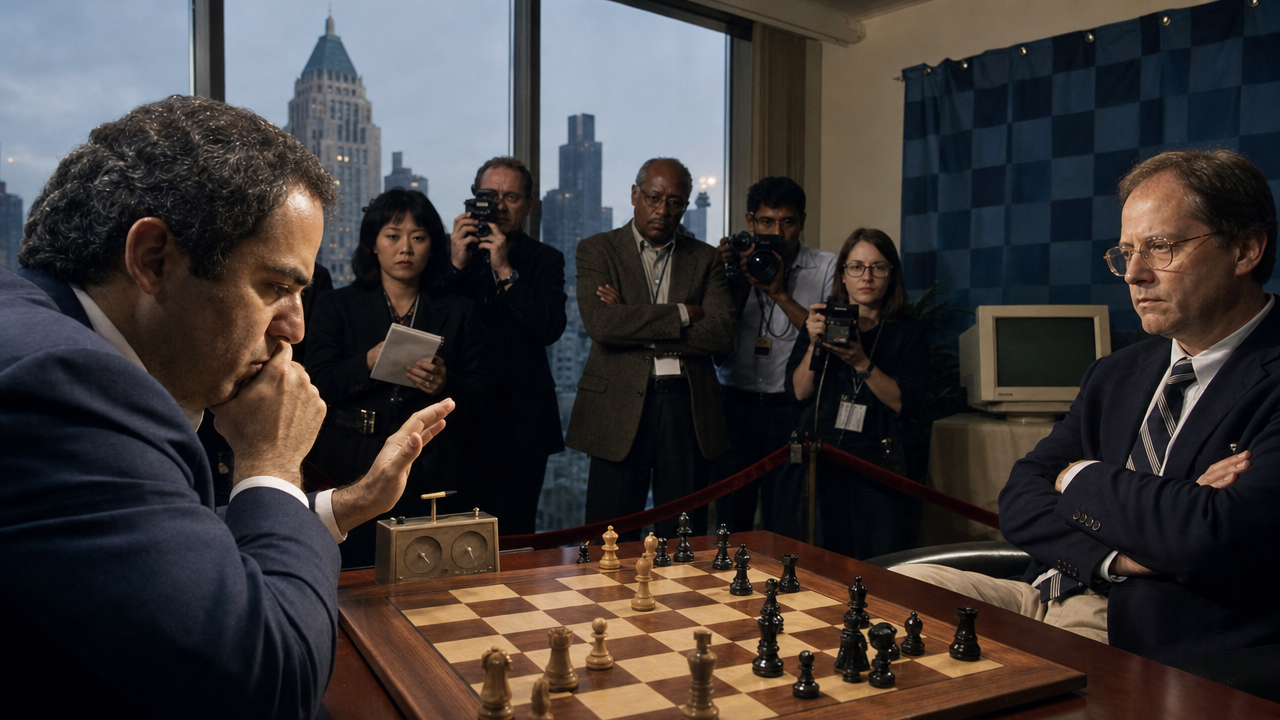
IBM’s Deep Blue defeats Garry Kasparov in a landmark computer-chess match.
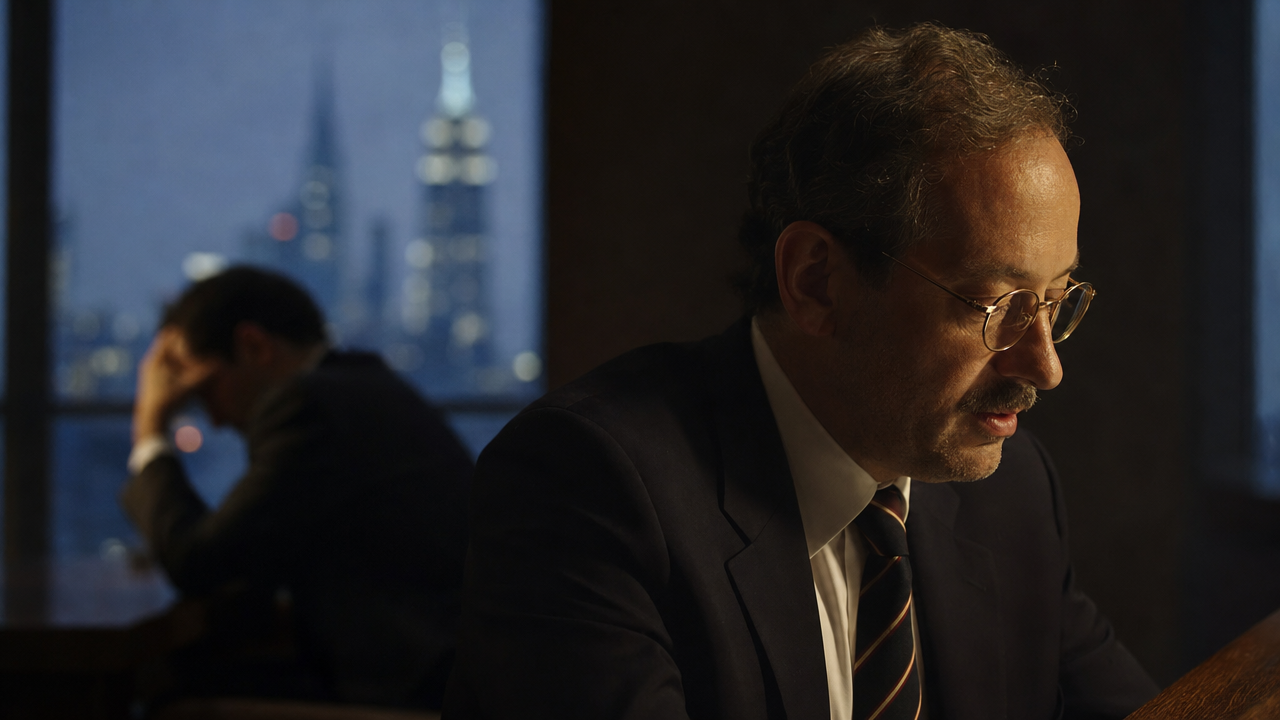
The 1997 victory became a defining public milestone for artificial intelligence.
On May 11, 1997, IBM’s Deep Blue computer defeated world chess champion Garry Kasparov in the final game of a six-match series, marking the first time a machine beat a reigning world champion under standard tournament conditions. This victory demonstrated that artificial intelligence could surpass human expertise in a complex intellectual domain, challenging assumptions about machine cognition and problem-solving. Historically, it represented a milestone in AI development, following earlier chess programs and paving the way for future advances in machine learning and computational reasoning.
1985 – Bradford City Stadium Fire
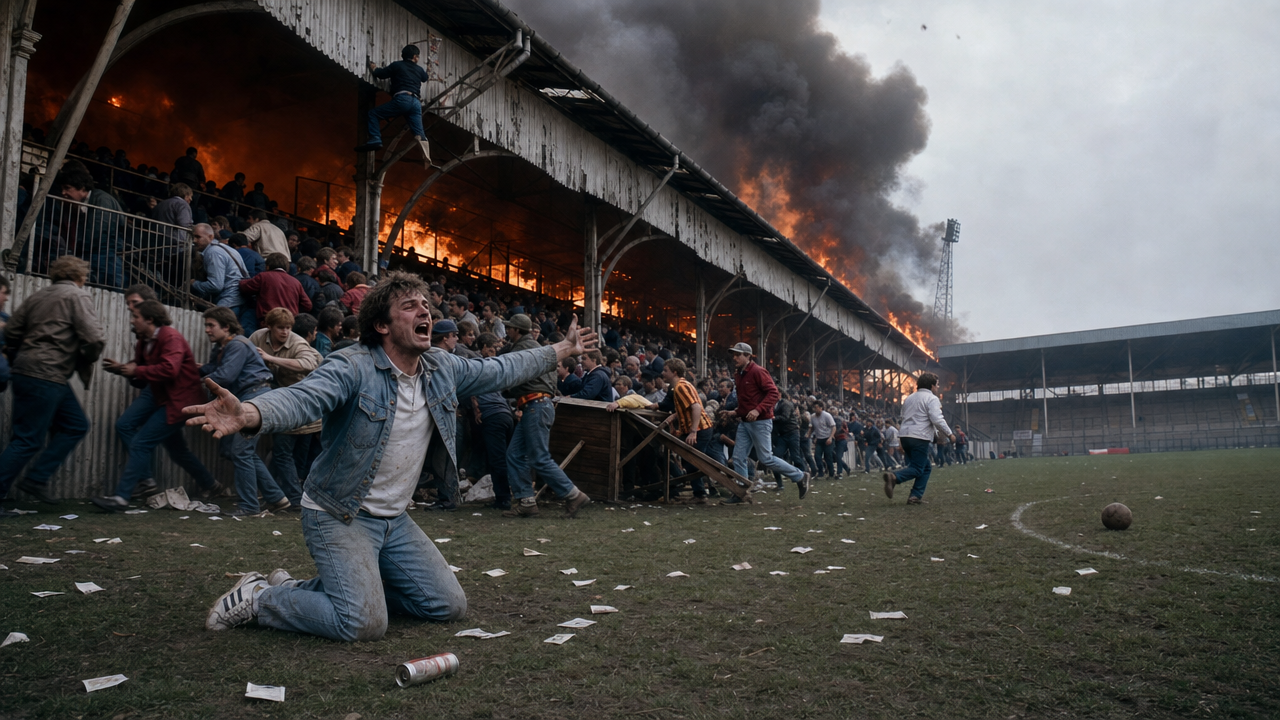
The Bradford City stadium fire exposed deadly risks in aging wooden football stands.
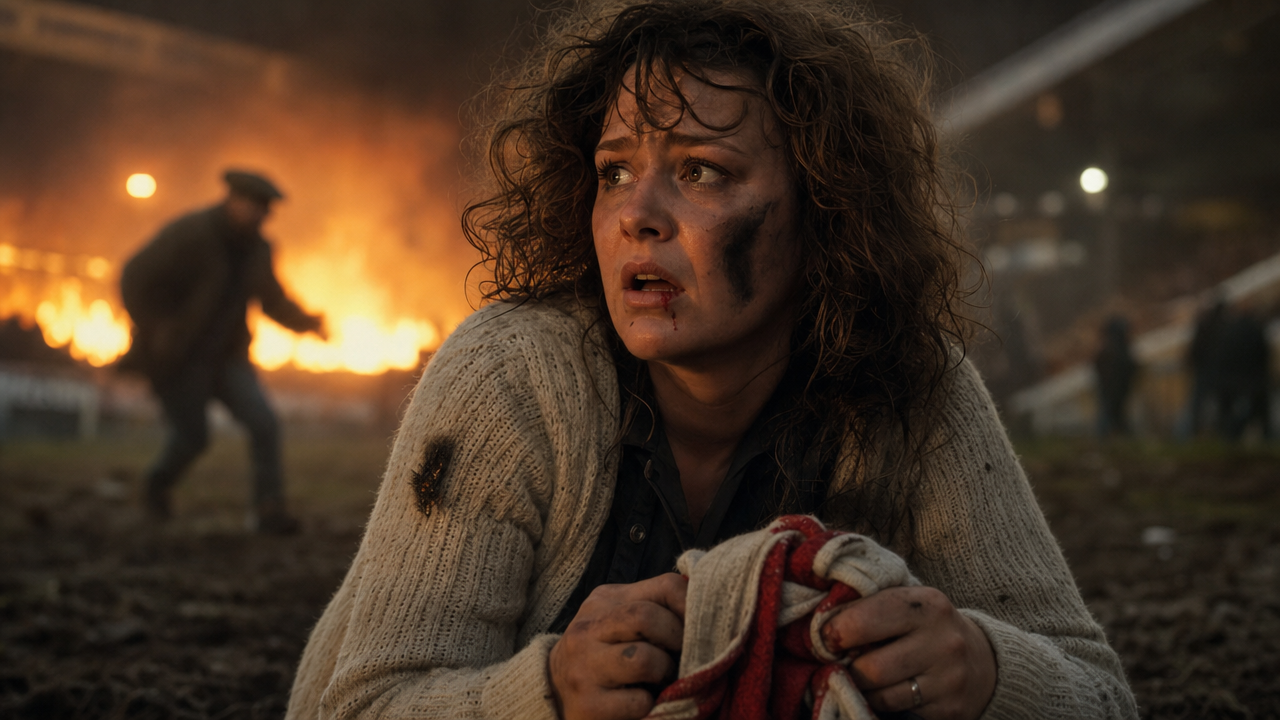
The disaster led to stronger safety rules across British sports venues.
On May 11, 1985, a fire ignited in the wooden main stand at Bradford City's Valley Parade stadium during a match, killing 56 spectators and injuring hundreds. The disaster exposed severe fire-safety deficiencies in aging British stadiums, prompting the government to mandate the removal of all wooden stands and implement stricter safety regulations. It occurred in a decade marked by other stadium tragedies, including the 1985 Heysel disaster and the 1989 Hillsborough crush, collectively driving the comprehensive Taylor Report reforms for all-seater stadiums.
1949 – Siam Officially Reverts to Name Thailand
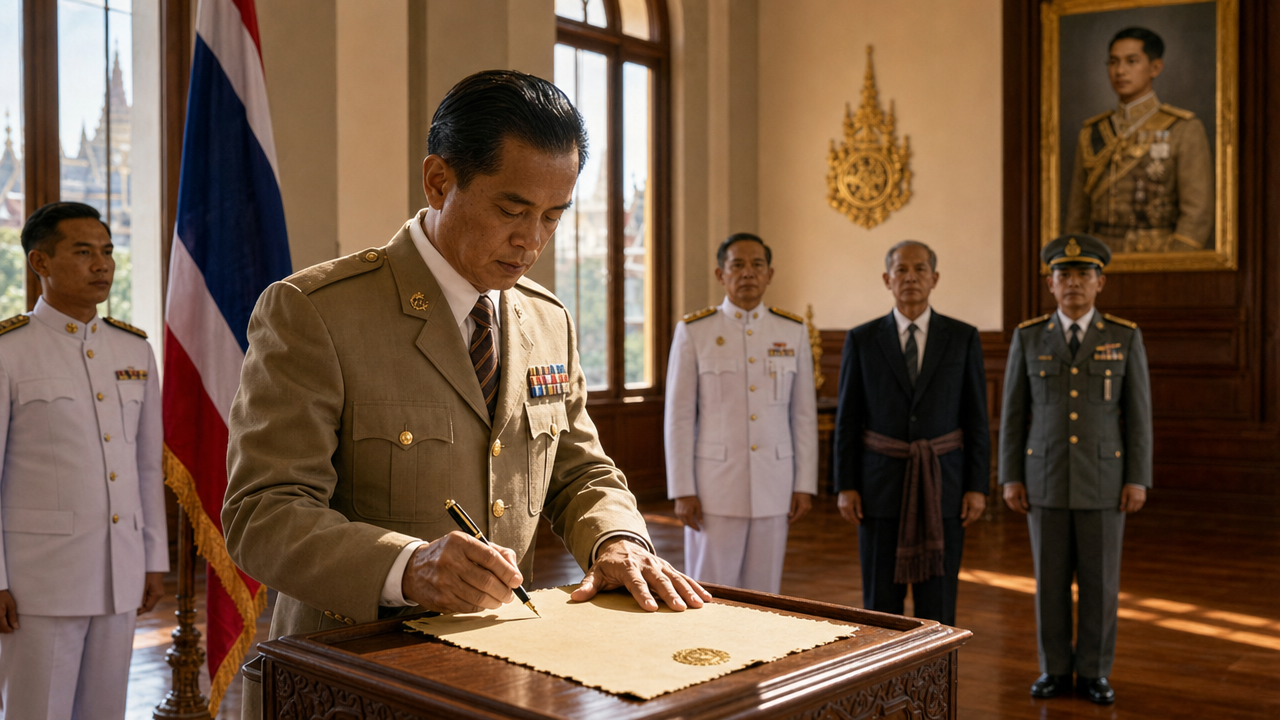
Siam officially readopts the name Thailand in 1949.
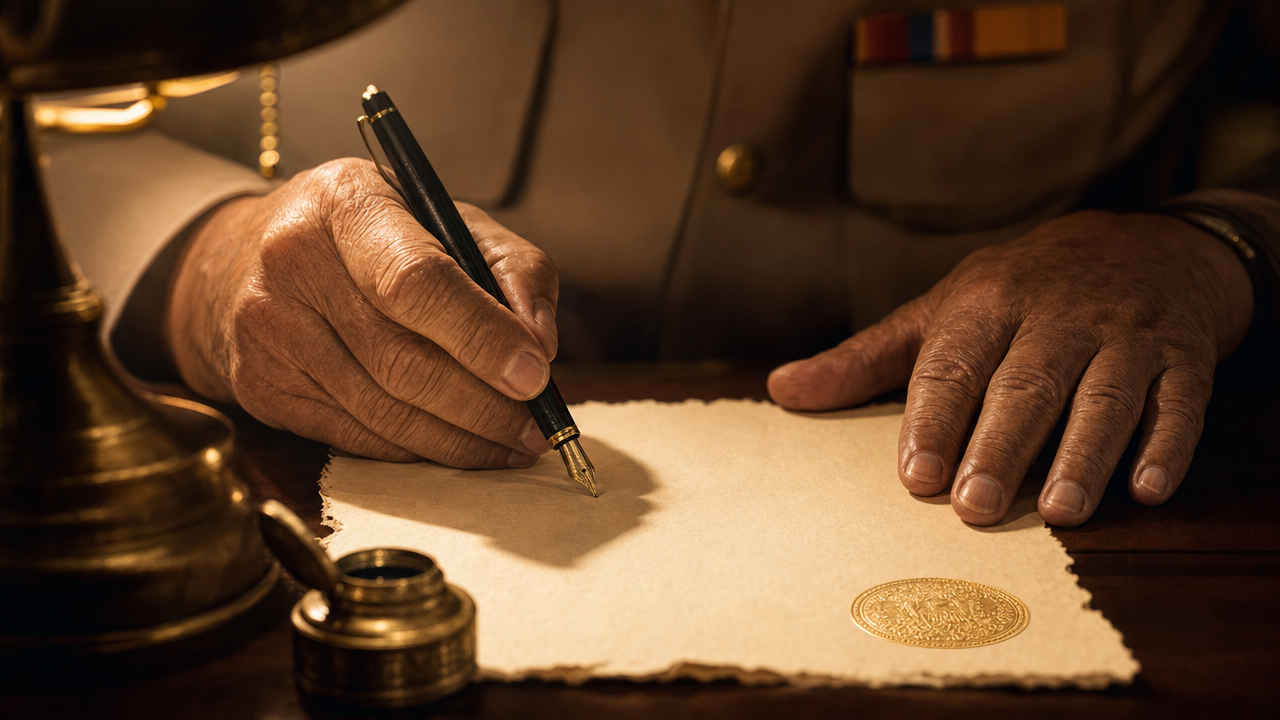
The name change reflected a modern national identity centered on the Thai people.
On May 11, 1949, Siam officially readopted the name Thailand, reversing a brief 1945 reversion, to permanently reflect the country's national identity and modern nationalist ambitions. This change mattered as it reinforced a unified state under the Thai ethnic majority and aligned with post-World War II efforts to assert sovereignty and reshape foreign relations. Historically, the name “Thailand” (meaning “land of the free”) had first been adopted in 1939 under Field Marshal Phibunsongkhram, symbolizing a break from monarchical and colonial associations toward a centralized, nationalist state.
1927 – Academy of Motion Picture Arts and Sciences Founded
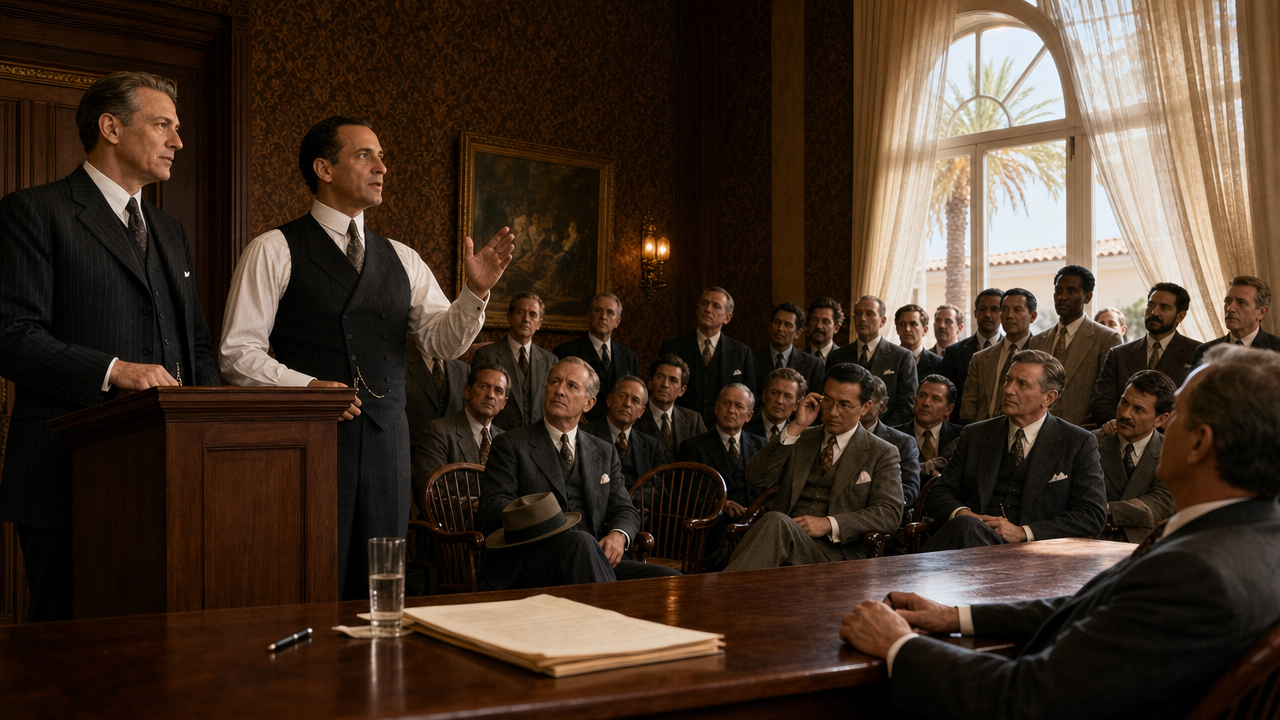
Hollywood leaders found the Academy of Motion Picture Arts and Sciences in 1927.
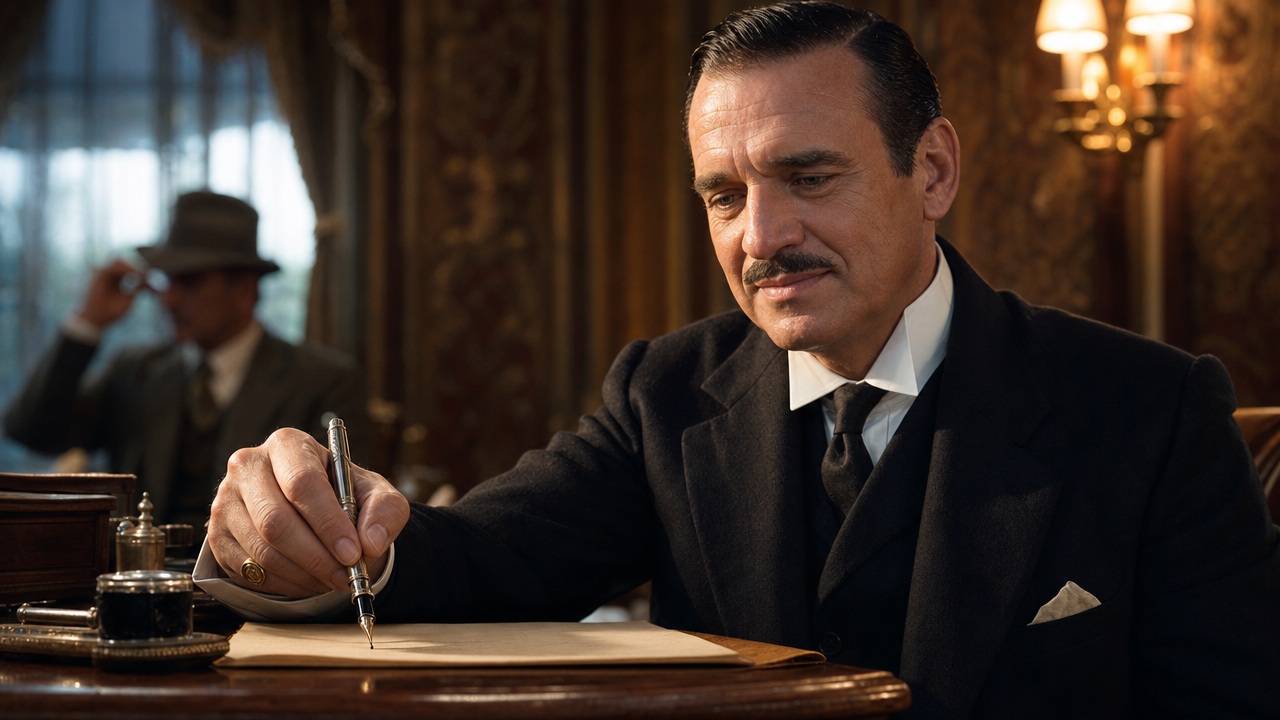
The organization later became best known for creating and presenting the Oscars.
On May 11, 1927, the Academy of Motion Picture Arts and Sciences was founded in Hollywood, California, by a group of 36 industry leaders including Louis B. Mayer and Douglas Fairbanks. This organization established the first formal awards ceremony for film, known later as the Oscars, which standardized recognition of cinematic excellence and elevated the prestige of the movie industry. Its creation occurred during Hollywood's Golden Age, reflecting the rapid growth of the American film industry after World War I and setting a global benchmark for motion picture achievement.