![[e]Photo Stream](/logo.png)
May 9
5 moments across history
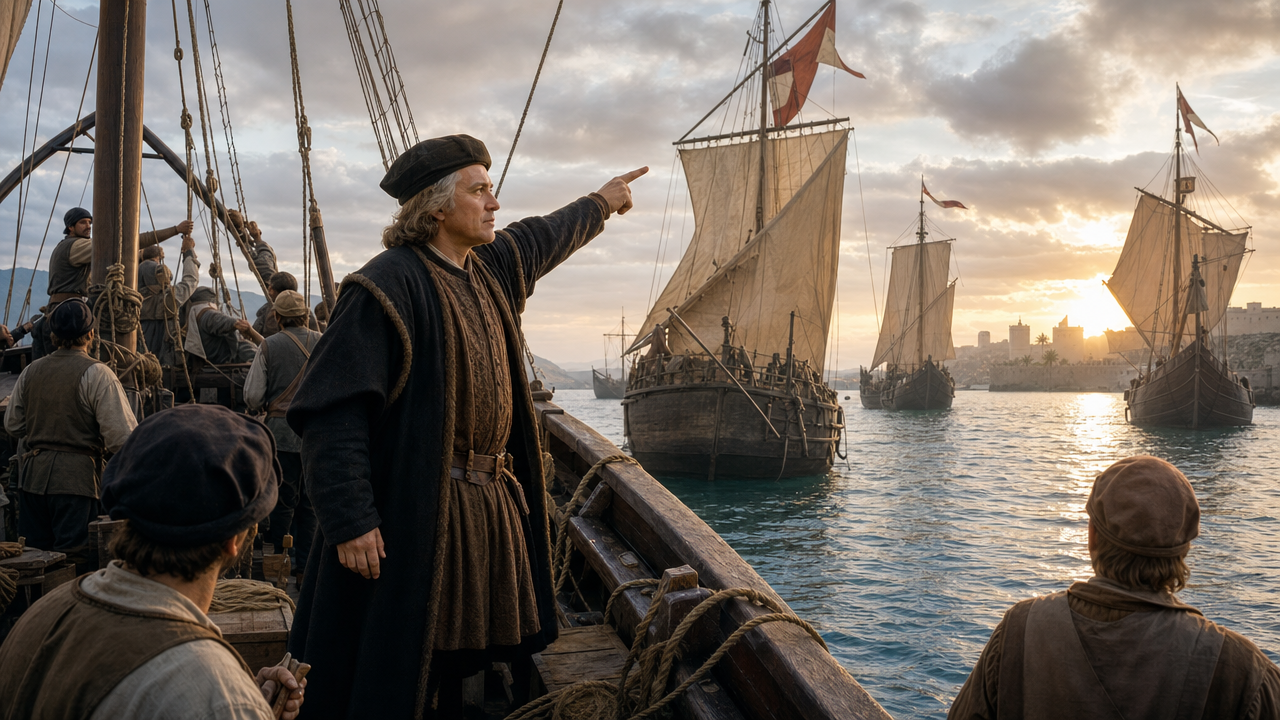
1502 – Christopher Columbus departs on his fourth and final voyage.
Columbus sailed from Cádiz on his fourth and final voyage in 1502, still searching for a westward passage to Asia. The expedition reached the Caribbean and explored parts of Central America, but storms, ship damage, and conflict left the crew stranded in Jamaica for more than a year. It was a brutal closing chapter to his Atlantic career, showing both the ambition and the human cost of Europe’s age of oceanic expansion.
Columbus begins his last Atlantic crossing, a voyage driven by the hope of finding a passage beyond the Caribbean.
1671 – Thomas Blood attempts to steal the British Crown Jewels.
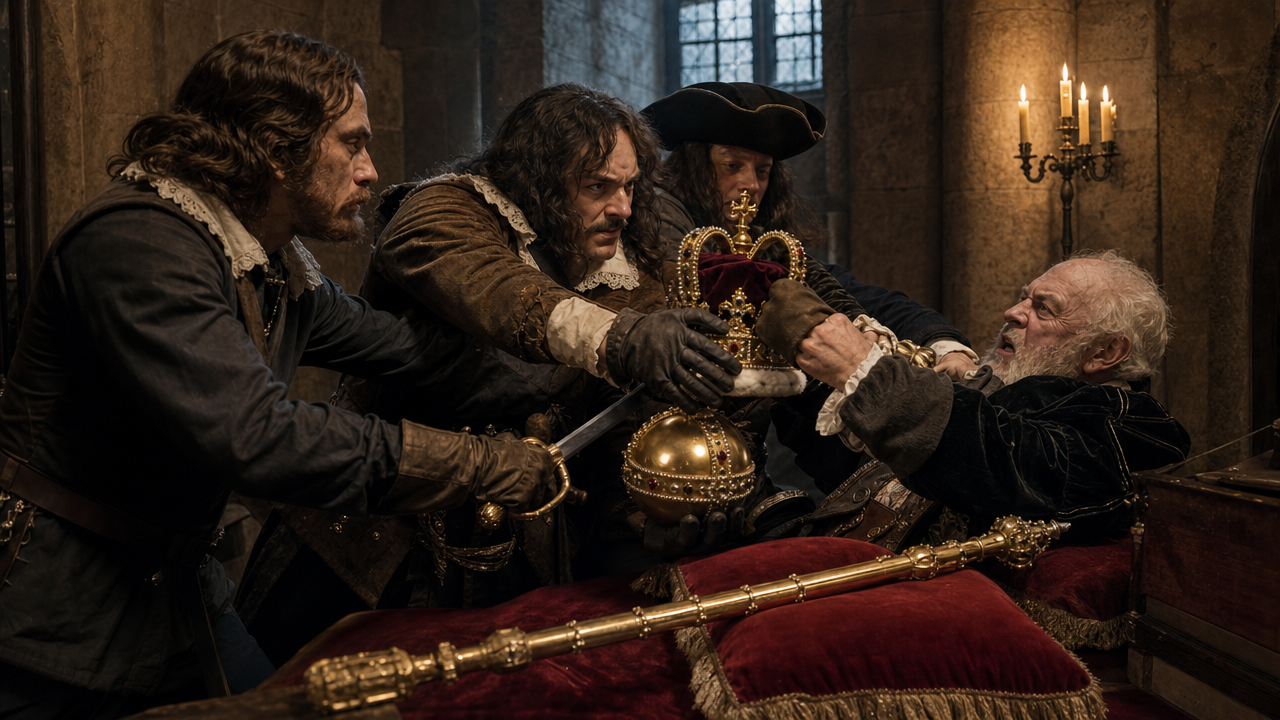
Thomas Blood’s failed raid on the Tower of London became one of the most infamous attempted thefts in British history.
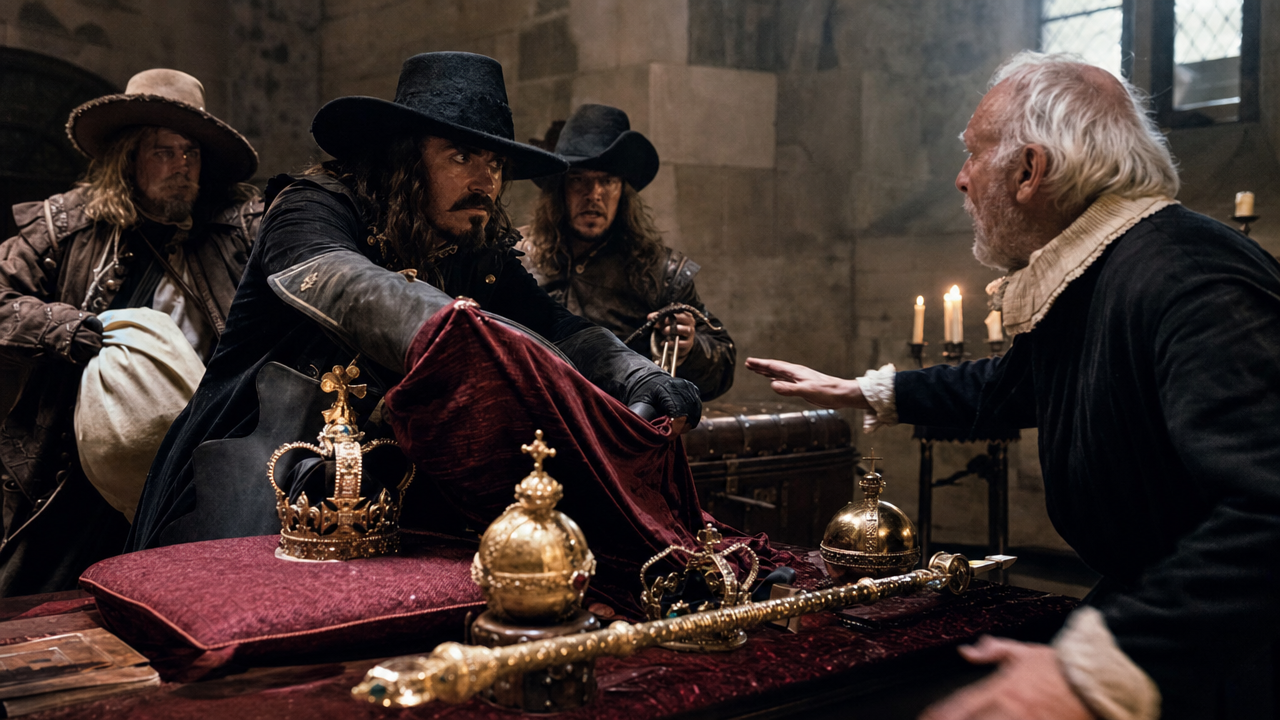
The Crown Jewels survived the plot, but the story only grew stranger after Blood received a royal pardon.
Thomas Blood, an Irish adventurer with a flair for disguise, entered the Tower of London in 1671 and tried to steal the Crown Jewels. He and his accomplices flattened the crown, hid the orb, and attempted to carry the regalia away before guards caught them. In a strange twist, King Charles II pardoned Blood, turning one of England’s boldest theft attempts into a story of audacity, politics, and royal theater.
1901 – Australia's first federal parliament opens in Melbourne.
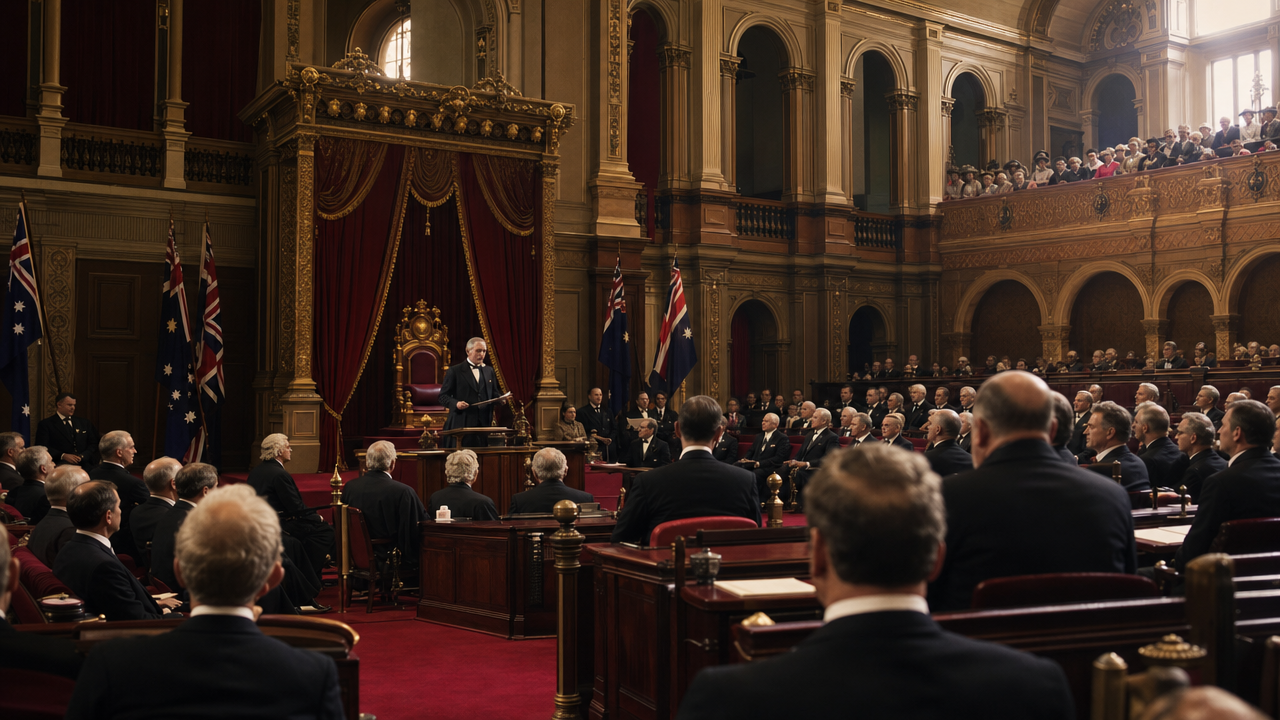
The opening of the first federal parliament gave Australia’s new Commonwealth a visible political center.
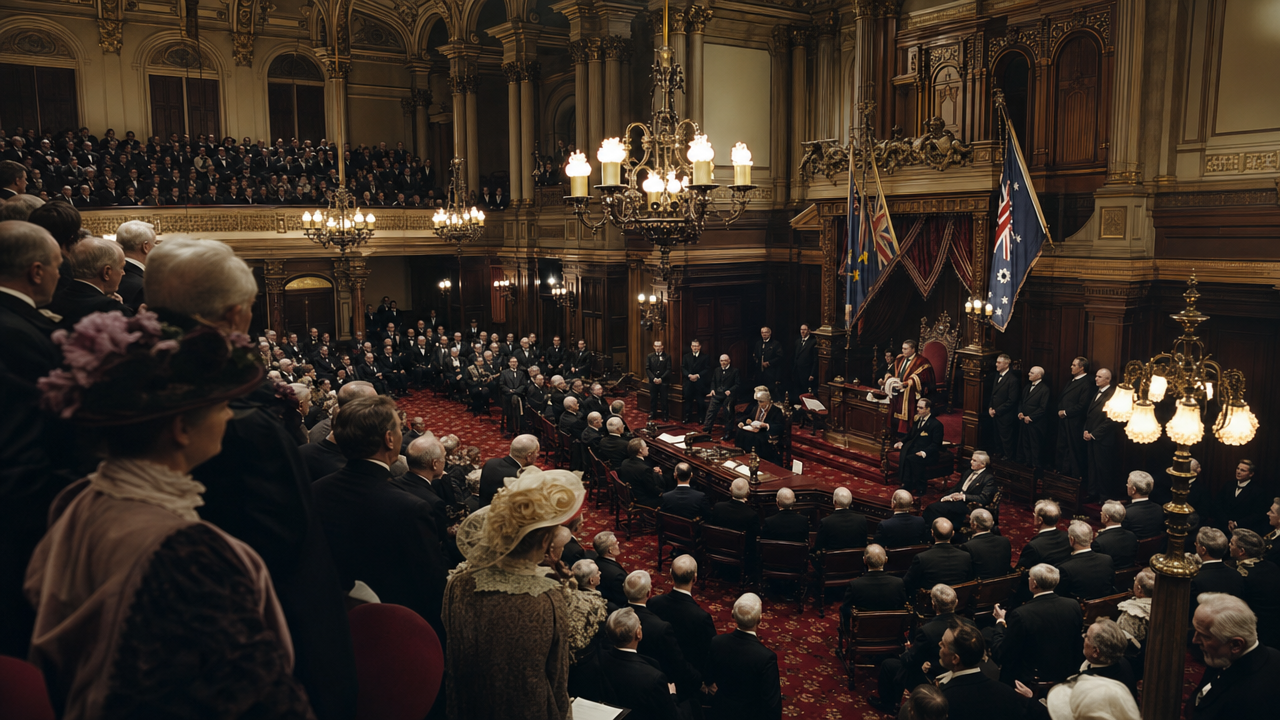
Federation transformed separate colonies into a national government while preserving strong state institutions.
Australia’s first federal parliament opened in Melbourne on May 9, 1901, marking the formal beginning of the new Commonwealth’s national government. The ceremony followed federation earlier that year, when six colonies joined under a single constitution while keeping strong state identities. It was a defining moment in Australian nationhood, setting the structure for a democracy that still balances local power with federal authority.
1926 – Richard E. Byrd claims to have flown over the North Pole.

Byrd’s North Pole claim captured the public imagination during the heroic age of polar flight.
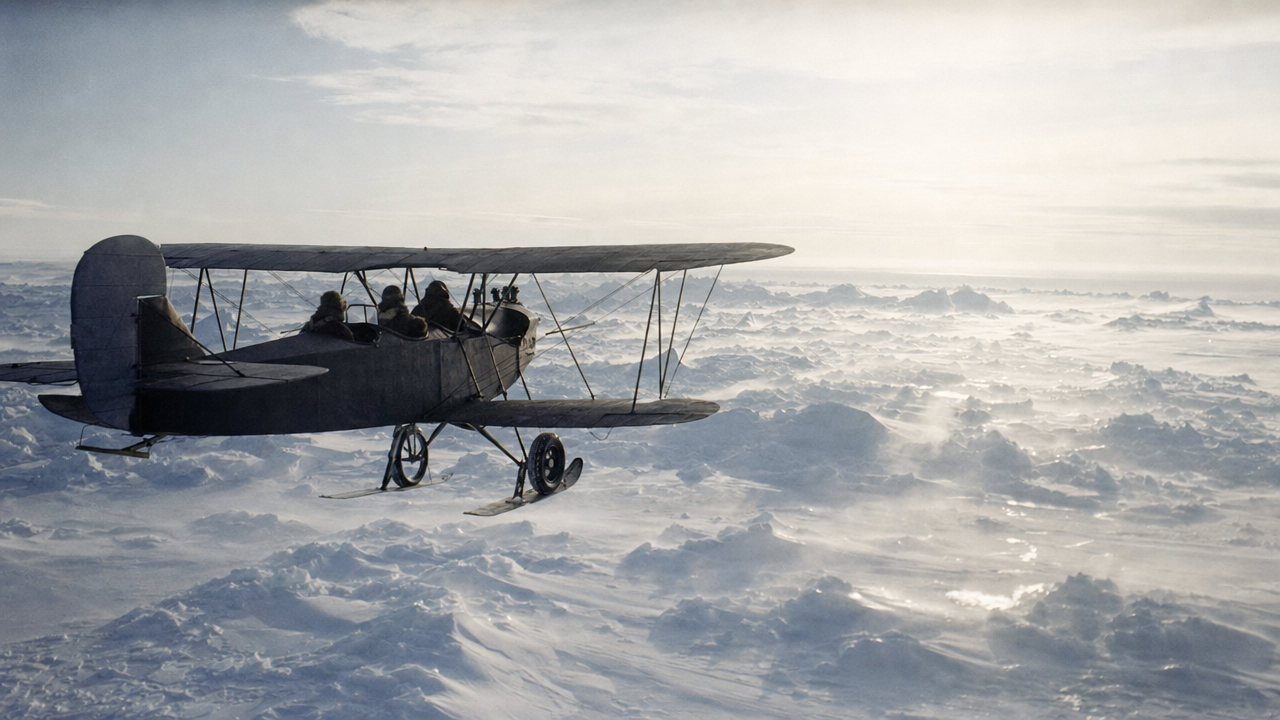
The Josephine Ford became a symbol of aviation ambition, even as later historians questioned the flight record.
Richard E. Byrd claimed in 1926 that he and pilot Floyd Bennett had flown over the North Pole in the aircraft Josephine Ford. The announcement made Byrd an international hero and helped define the romance of early polar aviation. Later analysis raised serious doubts about whether the flight actually reached the Pole, leaving the achievement suspended between exploration legend and historical controversy.
1941 – British forces capture German U-boat U-110 and an Enigma machine.
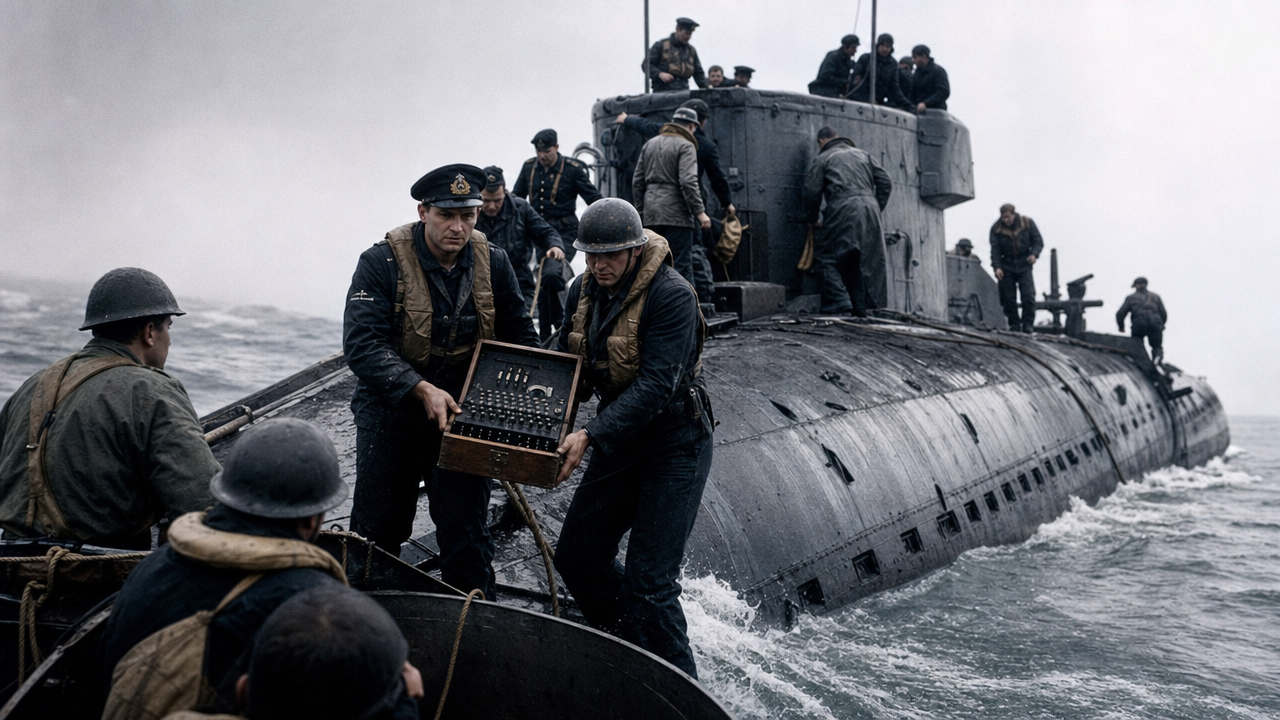
The capture of U-110 gave Britain a rare chance to seize German naval encryption material intact.
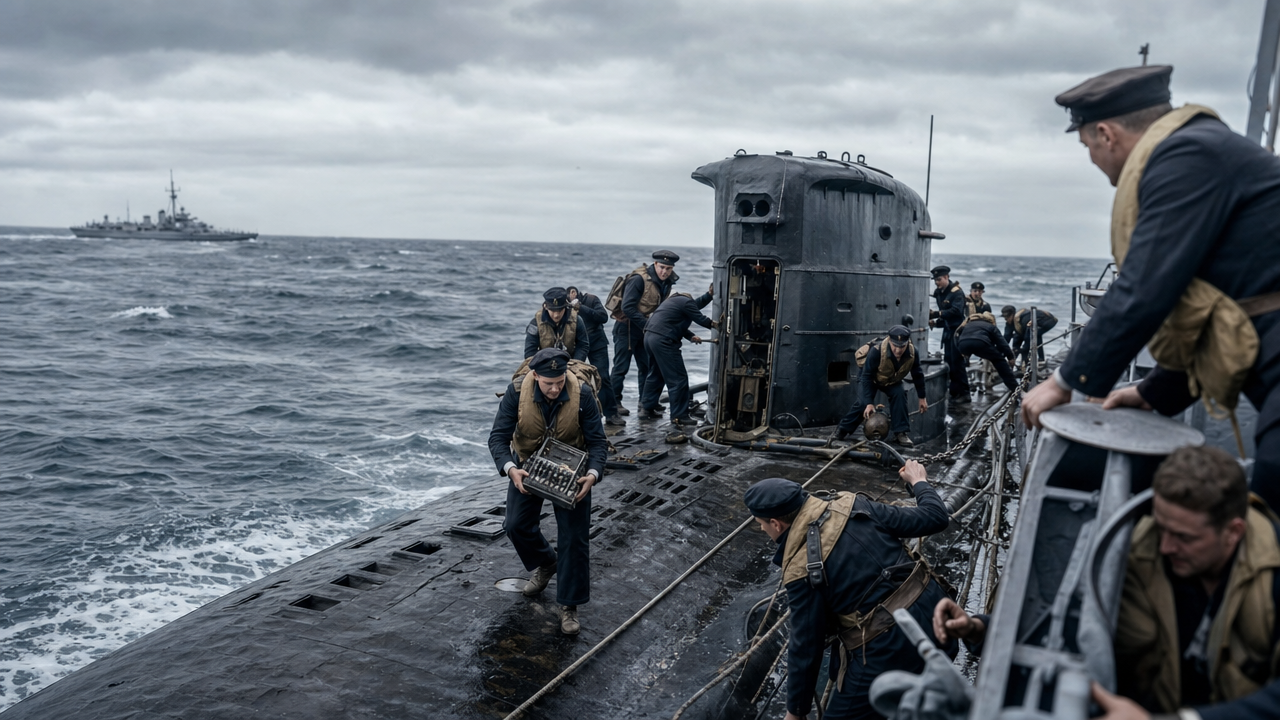
Recovered Enigma equipment and codebooks helped Allied codebreakers read parts of the U-boat war.
British forces captured German submarine U-110 in the North Atlantic on May 9, 1941, after depth-charge attacks forced the crew to abandon ship. Boarding parties recovered codebooks and an Enigma machine, giving Allied cryptanalysts material that helped unlock German naval communications. The operation was kept secret for decades, but it became one of the quiet intelligence victories that shifted the Battle of the Atlantic.