
October 21
5 moments across history
U.S.–North Korea Agreed Framework Signed
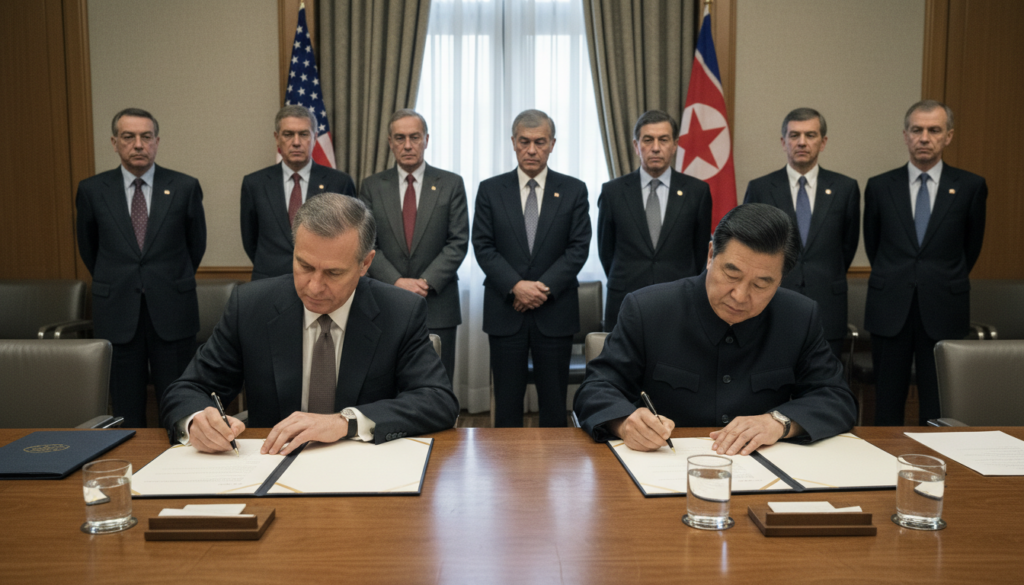
On October 21, 1994, the United States and North Korea signed the Agreed Framework, under which Pyongyang would freeze and eventually dismantle its graphite-moderated nuclear facilities in exchange for fuel oil and proliferation-resistant reactors. The accord mattered because it halted North Korea’s plutonium production at Yongbyon and defused an immediate nuclear crisis, while also outlining steps toward improved political and economic relations. Reached after North Korea threatened to leave the Nuclear Non-Proliferation Treaty, the agreement shaped post-Cold War diplomacy on the Korean Peninsula but collapsed in the early 2000s amid mutual accusations of noncompliance.
Event 1
March on the Pentagon
March on the Pentagon

Year: 1967
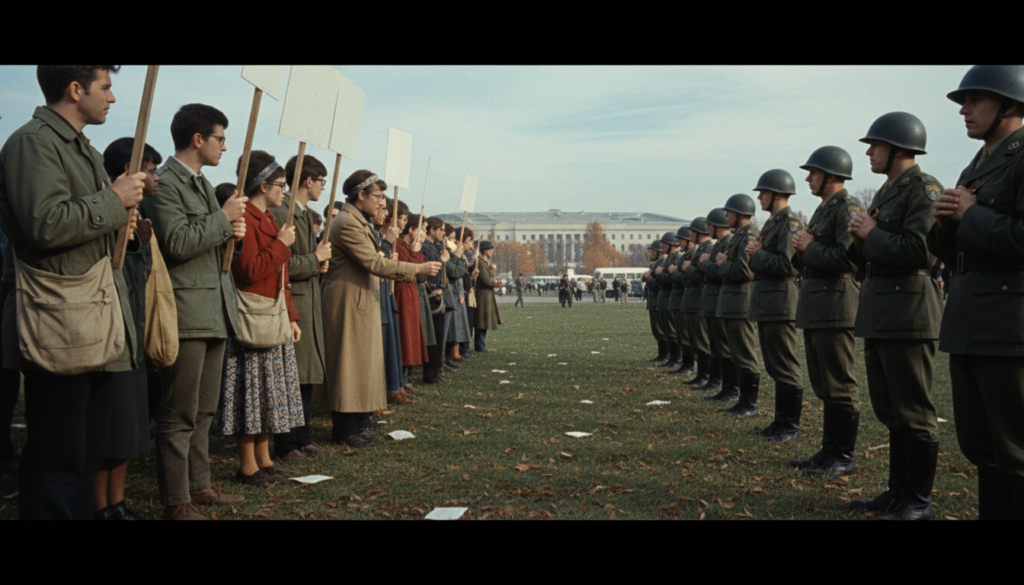
On October 21, 1967, tens of thousands marched from the Lincoln Memorial to the Pentagon to protest the Vietnam War. The demonstration became one of the largest antiwar protests in U.S. history and reflected growing public opposition to the conflict. It occurred as the Johnson administration expanded American involvement in Vietnam, fueling a broader movement against the war and the draft.
Aberfan Disaster
Aberfan Disaster

Year: 1966
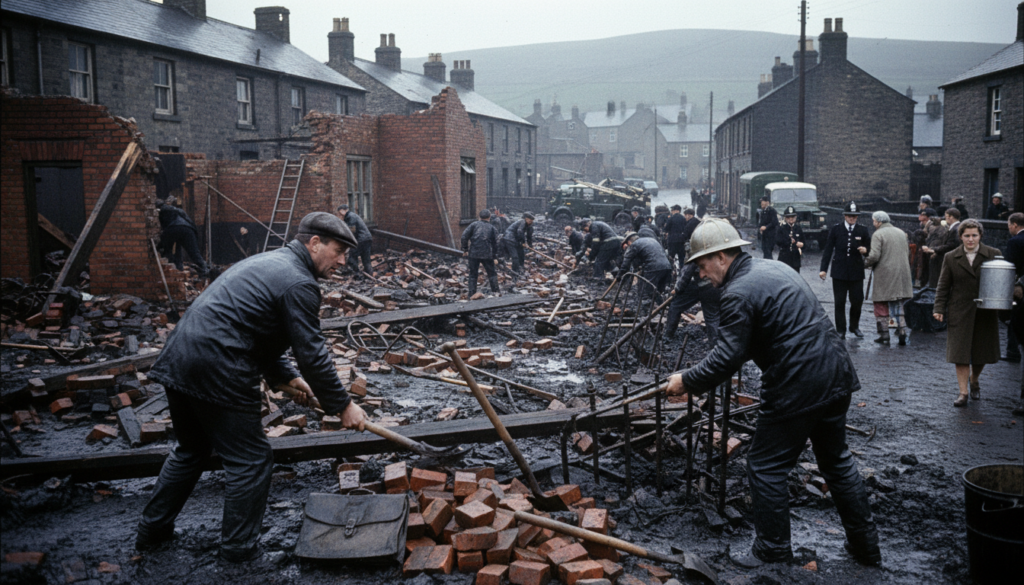
On 21 October 1966, a rain-saturated colliery spoil tip collapsed above Aberfan, Wales, engulfing Pantglas Junior School and nearby homes and killing 144 people, including 116 children. The disaster mattered because an official tribunal found that the National Coal Board had ignored warnings and was responsible, exposing grave failures in industrial oversight and accountability. Amid Britain’s long dependence on coal mining, Aberfan became a defining Welsh tragedy and prompted tighter regulation of spoil tips through the Mines and Quarries (Tips) Act 1969.
Solomon R. Guggenheim Museum Opens
Solomon R. Guggenheim Museum Opens

Year: 1959
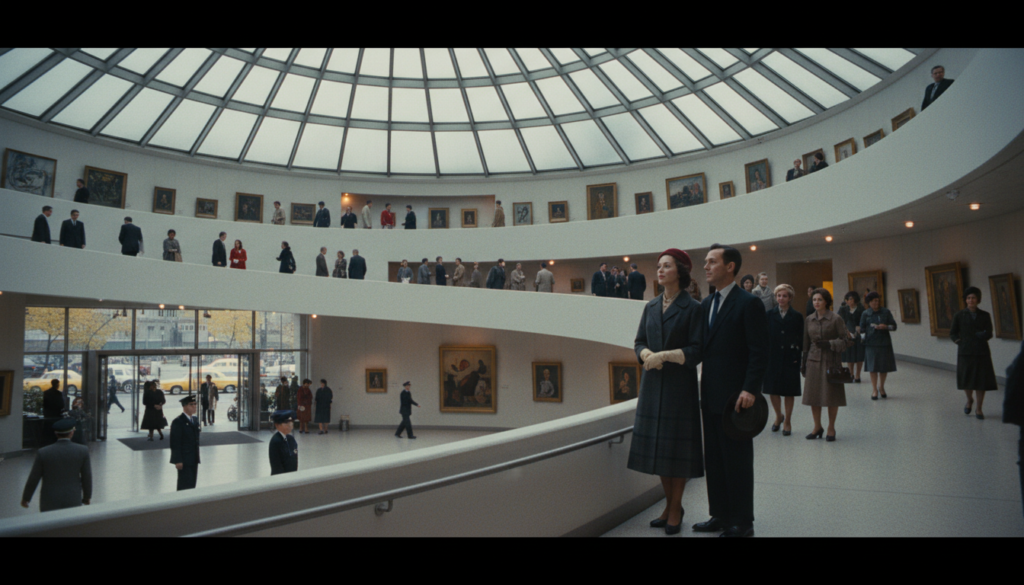
On October 21, 1959, the Solomon R. Guggenheim Museum opened to the public in New York City in a distinctive spiral building designed by Frank Lloyd Wright. Its unconventional ramped interior and sculptural form challenged traditional museum design and became a landmark of modern architecture. The opening came six months after Wright’s death and gave a permanent home to the Guggenheim Foundation’s growing collection of modern art.
French Women Vote in a National Election for the First Time
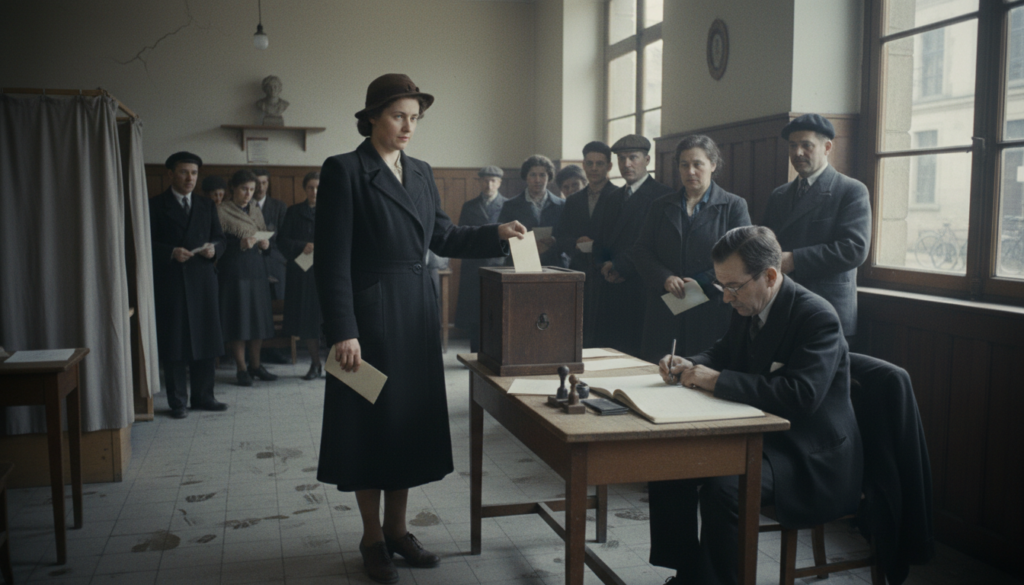
French Women Vote in a National Election for the First Time

Year: 1945
On October 21, 1945, French women voted in a national parliamentary election for the first time. It marked the fulfillment of women’s suffrage, granted by an April 1944 ordinance after decades of activism. The vote also elected a constituent assembly as France rebuilt its democracy after Nazi occupation and World War II.