
October 17
5 moments across history
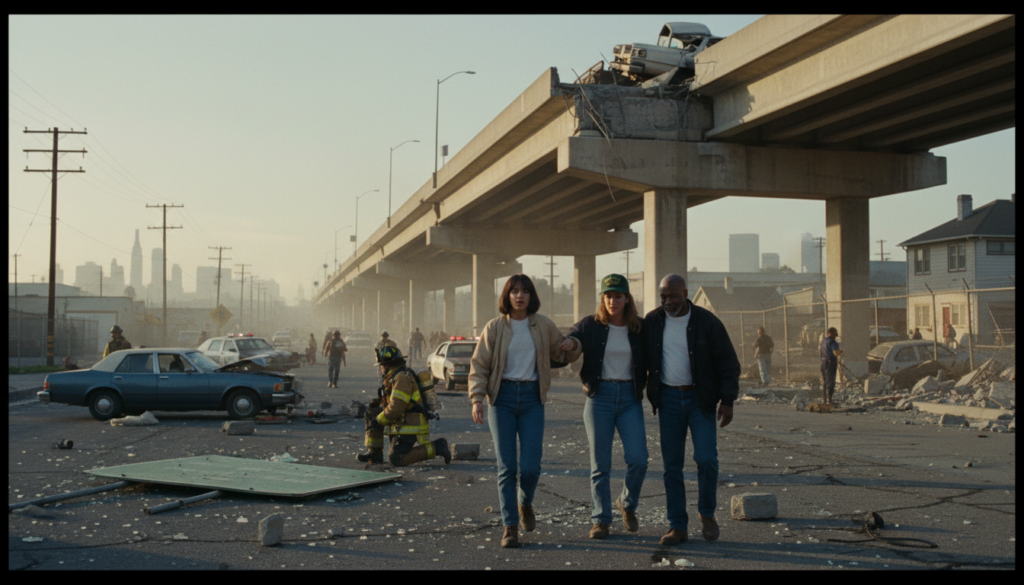
Loma Prieta Earthquake Strikes the San Francisco Bay Area
On October 17, 1989, the magnitude 6.9 Loma Prieta earthquake struck California’s San Francisco Bay Area, killing 63 people and causing widespread damage. The disaster mattered because it collapsed major transportation structures, disrupted the region, and exposed the vulnerability of buildings and infrastructure to seismic shaking. Occurring during the nationally televised World Series, it became one of the most visible U.S. earthquakes and spurred stronger seismic retrofitting and emergency planning.
Loma Prieta Earthquake Strikes the San Francisco Bay Area
Paris Massacre

Paris Massacre

Year: 1961
On October 17, 1961, Paris police violently dispersed a largely peaceful demonstration by Algerians protesting a curfew imposed specifically on them, killing an uncertain number and arresting thousands. The massacre became a symbol of colonial repression in France, while the authorities concealed or denied its scale for decades. It occurred during the Algerian War of independence, amid escalating conflict between France and Algeria’s National Liberation Front shortly before Algeria gained independence in 1962.
Al Capone Convicted of Tax Evasion
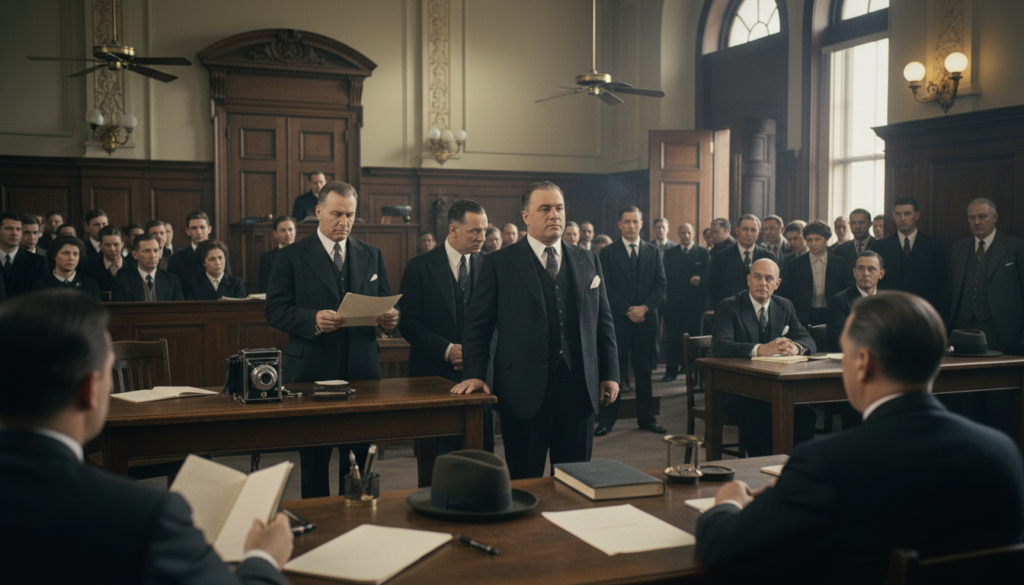
Al Capone Convicted of Tax Evasion

Year: 1931
On October 17, 1931, a federal jury in Chicago convicted gangster Al Capone on five counts of income-tax evasion. The conviction mattered because it enabled authorities to imprison a powerful crime boss when other prosecutions had failed. During Prohibition, Capone’s downfall showed how federal tax laws could be used against organized-crime leaders.
Transatlantic Wireless Service Opens

Transatlantic Wireless Service Opens

Year: 1907
On October 17, 1907, Marconi inaugurated regular commercial transatlantic wireless telegraph service between Clifden, Ireland, and Glace Bay, Canada. The service mattered because it enabled messages to cross the Atlantic by radio rather than relying exclusively on undersea telegraph cables. It marked an important step in the rise of long-distance wireless communication during an era of rapidly expanding global communications networks.
London Beer Flood

London Beer Flood

Year: 1814
On October 17, 1814, a vat burst at Meux and Company’s Horse Shoe Brewery, sending a wave of porter through London’s St Giles district and killing eight people. The disaster destroyed nearby homes and highlighted the dangers that large-scale industrial operations posed to densely populated urban neighborhoods. It occurred amid rapid industrialization and urban crowding; an inquest deemed the flood an accident, and the brewery was not held legally responsible.