
October 2
5 moments across history
Tlatelolco Massacre
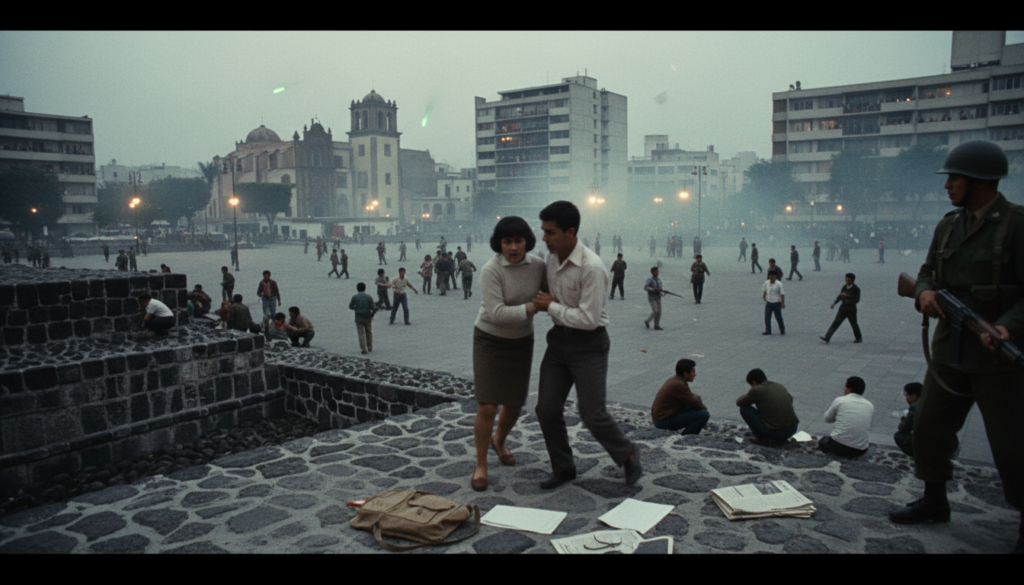
On October 2, 1968, Mexican security forces opened fire on student demonstrators in Tlatelolco’s Plaza de las Tres Culturas, killing an uncertain number of people. The massacre crushed a movement demanding democratic reforms and exposed the authoritarian violence underpinning Mexico’s ruling Institutional Revolutionary Party. It occurred amid worldwide student protests and just ten days before Mexico City hosted the Summer Olympics, becoming a defining episode in Mexico’s “Dirty War.”
Tlatelolco Massacre
Thurgood Marshall Joins the Supreme Court
Thurgood Marshall Joins the Supreme Court
Year: 1967
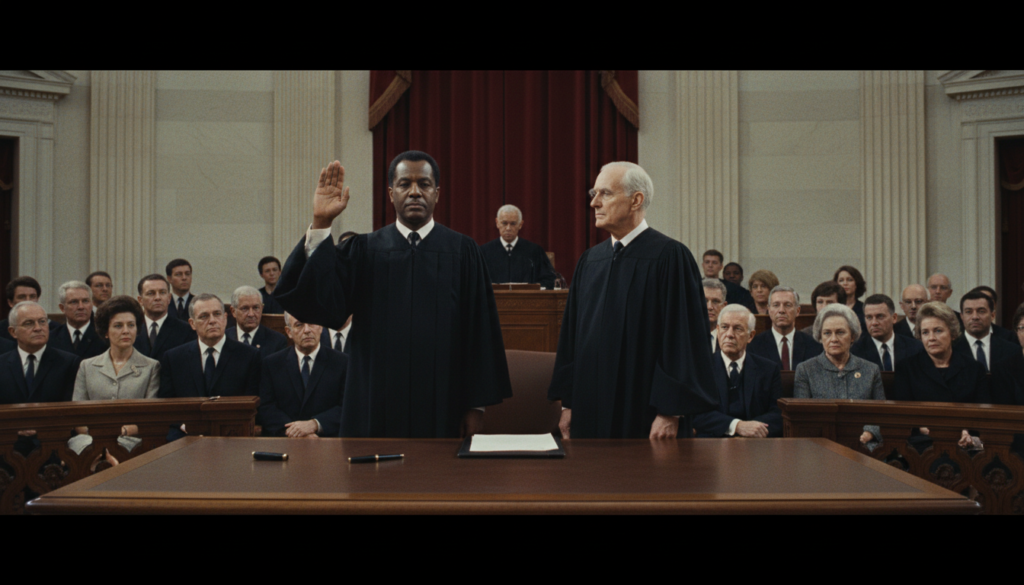
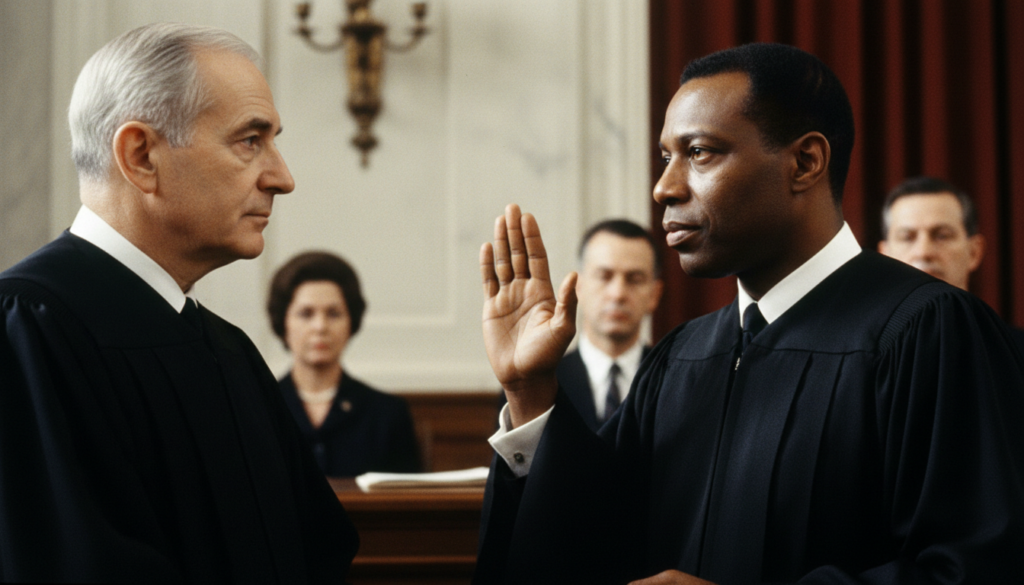
On October 2, 1967, Thurgood Marshall was sworn in as an associate justice of the U.S. Supreme Court, becoming its first Black member. His appointment broke a major racial barrier and brought to the Court a leading civil rights lawyer who had successfully argued Brown v. Board of Education. Nominated by President Lyndon B. Johnson during the civil rights era, Marshall joined the Court amid sweeping legal and political struggles over racial equality.
Guinea Declares Independence from France
Guinea Declares Independence from France
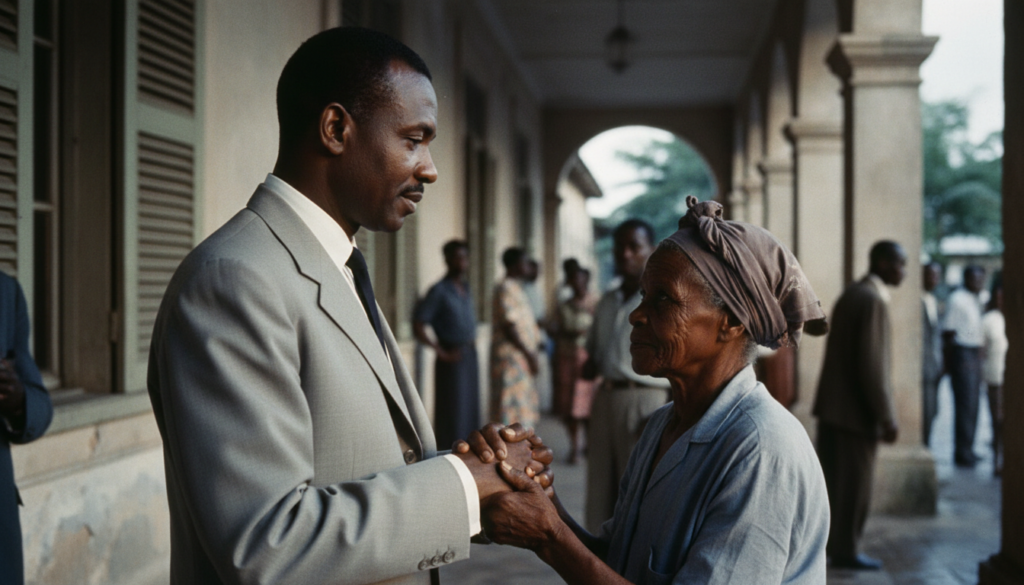
Year: 1958
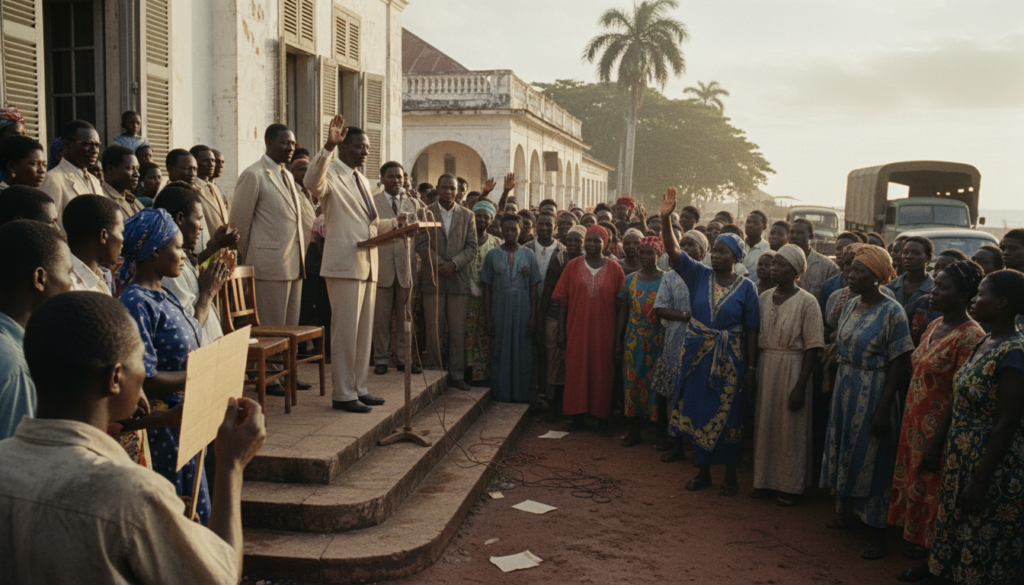
On October 2, 1958, Guinea declared independence from France after voters rejected the new French Constitution and membership in the French Community. The decision, championed by Ahmed Sékou Touré, made Guinea the first French colony in sub-Saharan Africa to achieve independence and established it as a sovereign republic. Guinea’s break with France became an important milestone in the broader decolonization of Africa, as many other French territories moved toward independence by 1960.
*Peanuts* Debuts
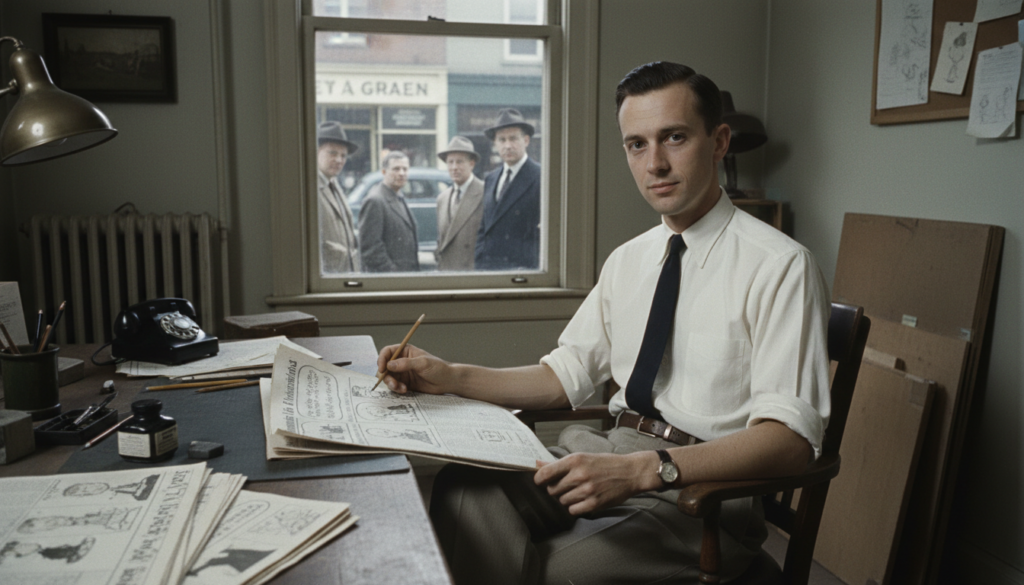
*Peanuts* Debuts
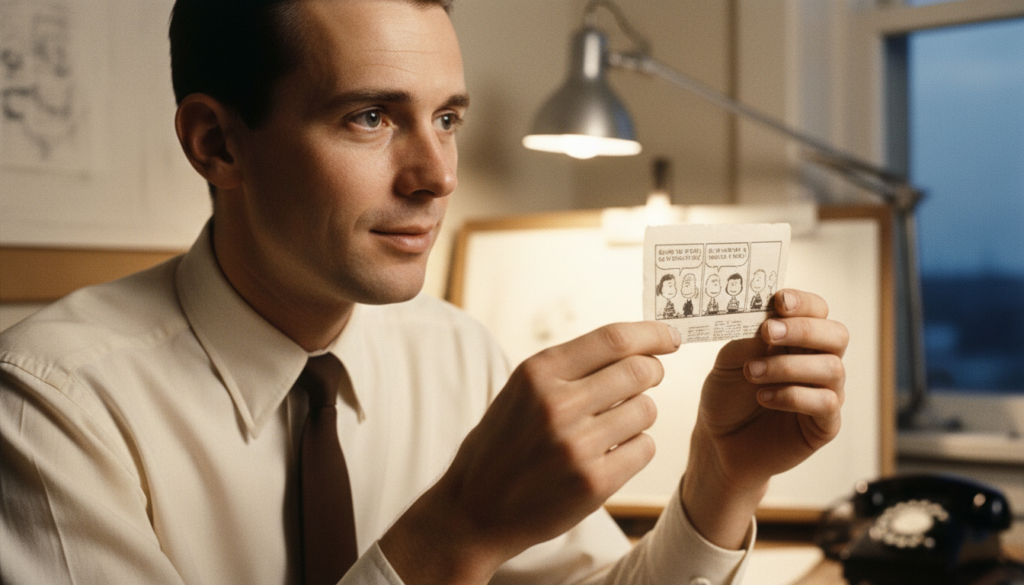
Year: 1950
On October 2, 1950, Charles M. Schulz’s comic strip Peanuts debuted in seven U.S. newspapers. Its portrayals of Charlie Brown, Snoopy, and other children made it one of the most influential and widely syndicated comic strips in history. Emerging during postwar America’s expanding mass-media culture, Peanuts helped elevate the newspaper comic strip through its humor and reflections on anxiety, friendship, and everyday life.
Founding of Opus Dei
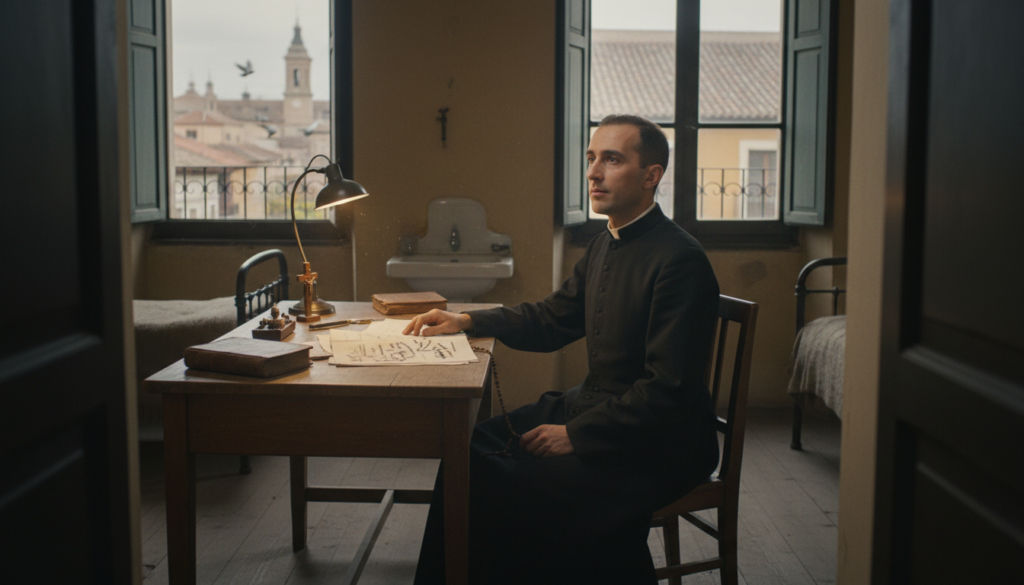
Founding of Opus Dei
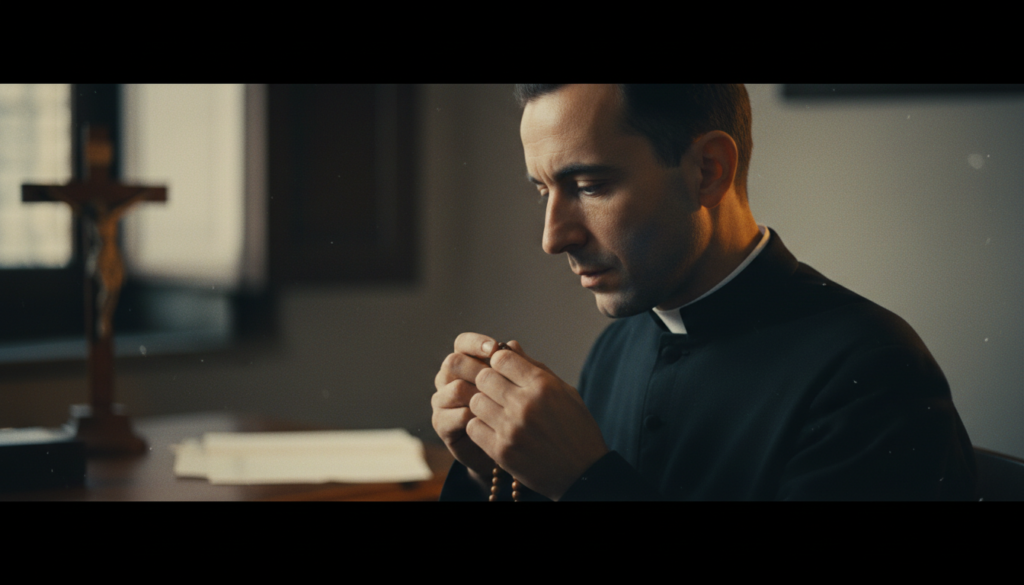
Year: 1928
On October 2, 1928, Catholic priest Josemaría Escrivá founded Opus Dei in Madrid, Spain, to promote the pursuit of holiness through ordinary work and daily life. It mattered because the organization developed into an influential international Catholic institution emphasizing the spiritual vocation of laypeople. Its founding occurred amid growing Catholic lay activism and mounting political and social tensions in Spain before the Second Republic and the Spanish Civil War.