

October 12
5 moments across history
Musharraf Seizes Power in Pakistan
On October 12, 1999, Pakistani army chief General Pervez Musharraf overthrew Prime Minister Nawaz Sharif after Sharif attempted to dismiss him amid tensions following the Kargil conflict with India. The bloodless coup suspended democratic rule, and Musharraf became chief executive and later president, remaining Pakistan’s dominant leader until 2008. The takeover continued Pakistan’s history of military intervention in politics and later placed Musharraf at the center of regional affairs as a key U.S. ally after the September 11 attacks.
Musharraf Seizes Power in Pakistan
Brighton Hotel Bombing
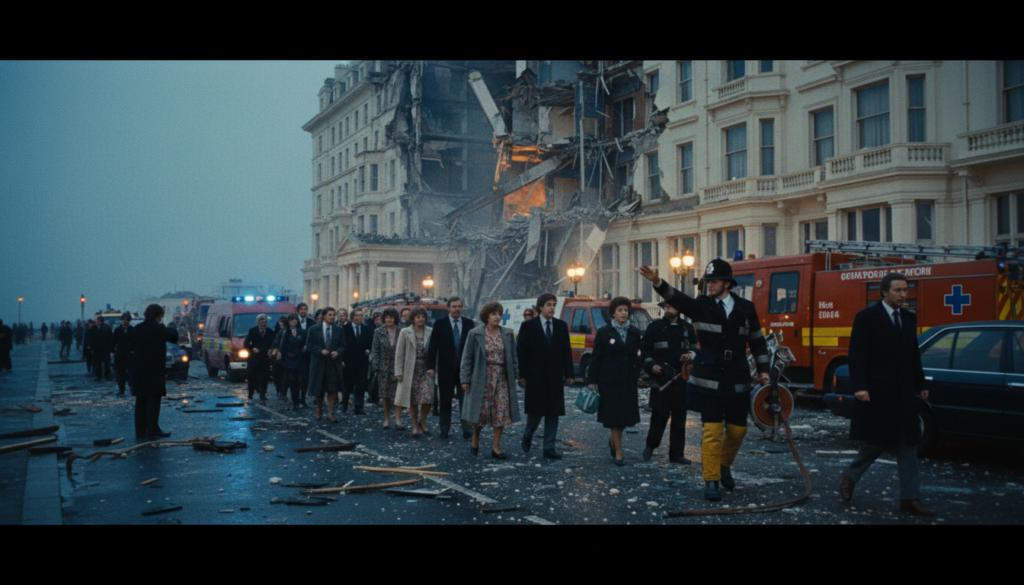
Brighton Hotel Bombing

Year: 1984
On 12 October 1984, a Provisional IRA time bomb exploded at Brighton’s Grand Hotel during the Conservative Party conference, killing five people and injuring dozens. Prime Minister Margaret Thatcher and senior cabinet ministers survived, making the attack a significant attempted strike against the British government. The bombing occurred during the Troubles, amid the IRA’s campaign to end British rule in Northern Ireland, and it intensified debate over security and the conflict.
Equatorial Guinea Gains Independence
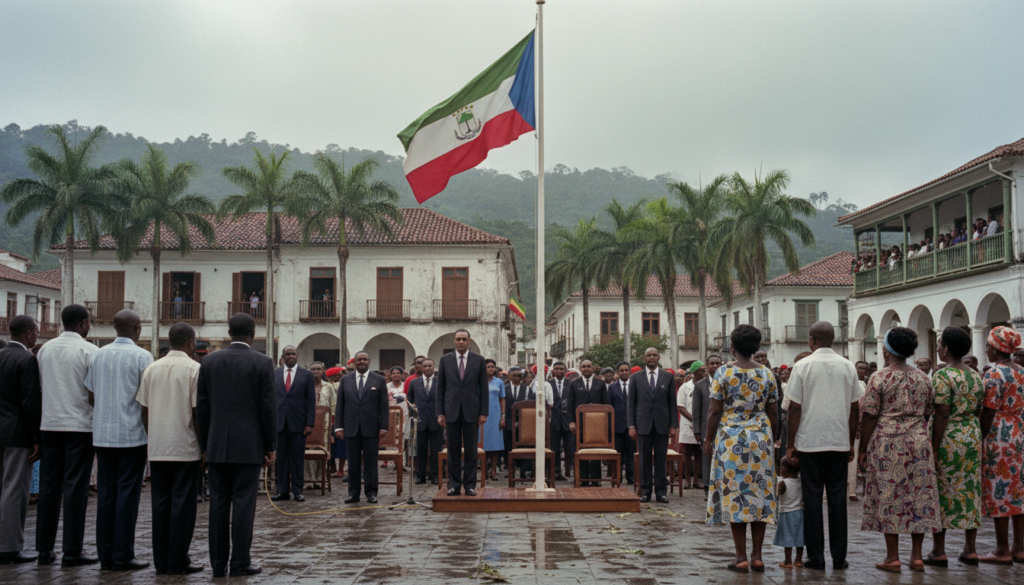
Equatorial Guinea Gains Independence

Year: 1968
On October 12, 1968, Equatorial Guinea gained independence from Spain, ending nearly two centuries of Spanish colonial rule. Independence established the country as a sovereign state, with Francisco Macías Nguema as its first president. The event formed part of the wider decolonization of Africa, when European empires relinquished control over most of the continent.
Voskhod 1 Launches
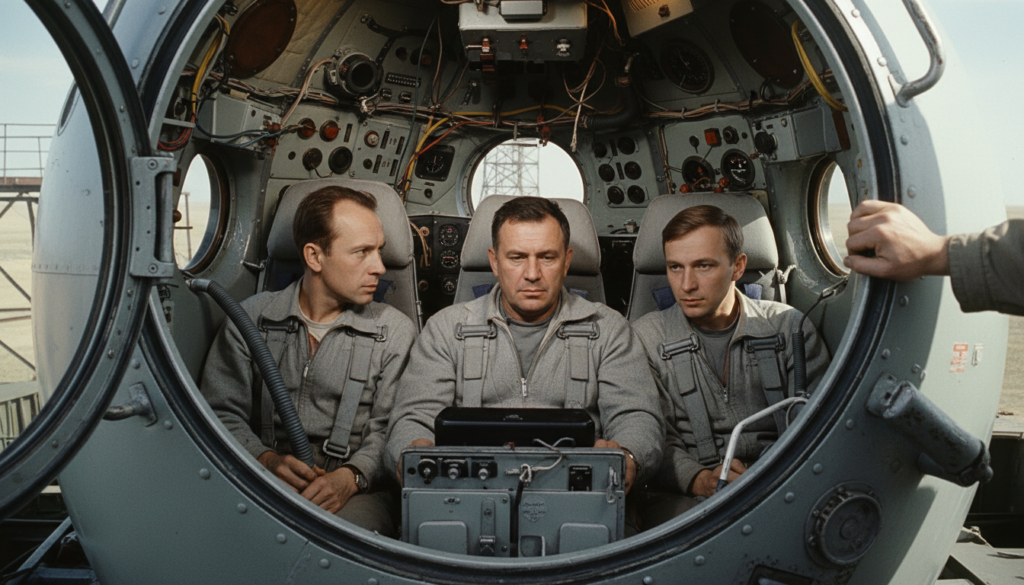
Voskhod 1 Launches
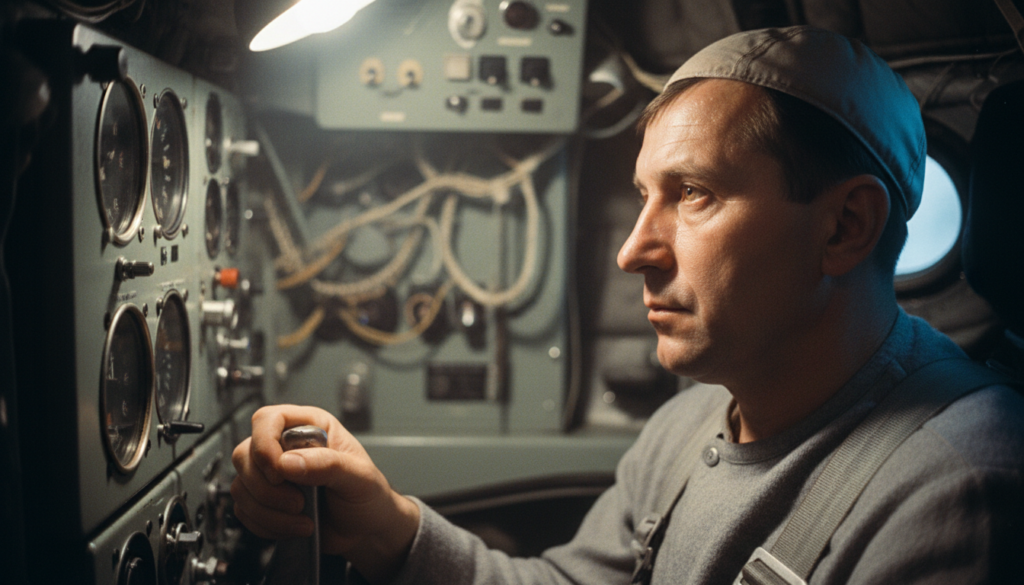
Year: 1964
On October 12, 1964, the Soviet Union launched Voskhod 1 carrying cosmonauts Vladimir Komarov, Konstantin Feoktistov, and Boris Yegorov. It was the first spaceflight with a three-person crew and the first whose crew flew without spacesuits, a risky measure needed to fit them inside the capsule. The mission marked another Soviet milestone in the Space Race, demonstrating multi-person flight before the United States launched its first crewed Gemini mission.
Edith Cavell Executed in Occupied Brussels
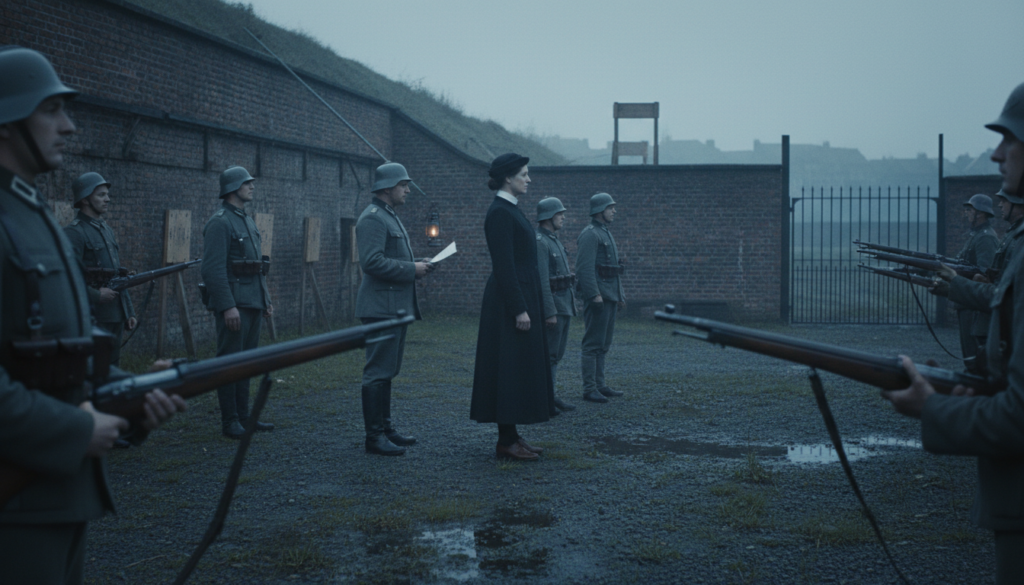
Edith Cavell Executed in Occupied Brussels

Year: 1915
On October 12, 1915, German authorities executed British nurse Edith Cavell in occupied Brussels for helping Allied soldiers escape from Belgium. Her death drew international condemnation and became a powerful Allied propaganda symbol, strengthening anti-German sentiment. The execution occurred during World War I, when Germany occupied most of Belgium and harshly punished resistance to its military rule.