
October 5
5 moments across history
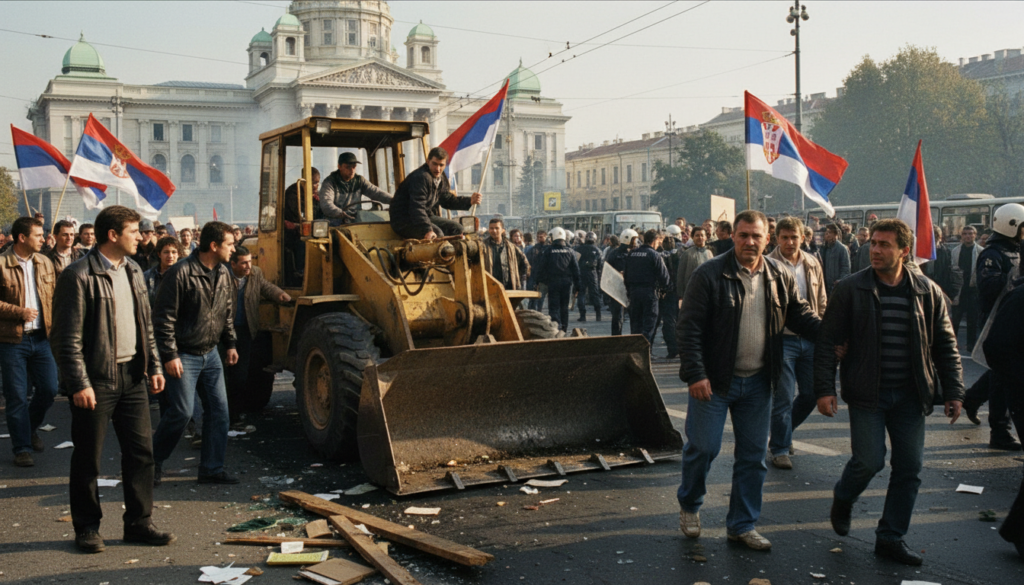
Bulldozer Revolution Topples Milošević
On October 5, 2000, mass protests in Belgrade overwhelmed security forces after Slobodan Milošević disputed opposition candidate Vojislav Koštunica’s election victory. Known as the Bulldozer Revolution, the uprising compelled Milošević to concede defeat, ending his authoritarian presidency and enabling a democratic transfer of power. The revolt followed a decade marked by Yugoslavia’s violent breakup, wars, international sanctions, and political repression under Milošević.
Bulldozer Revolution Topples Milošević
Chile Rejects Extension of Pinochet’s Rule
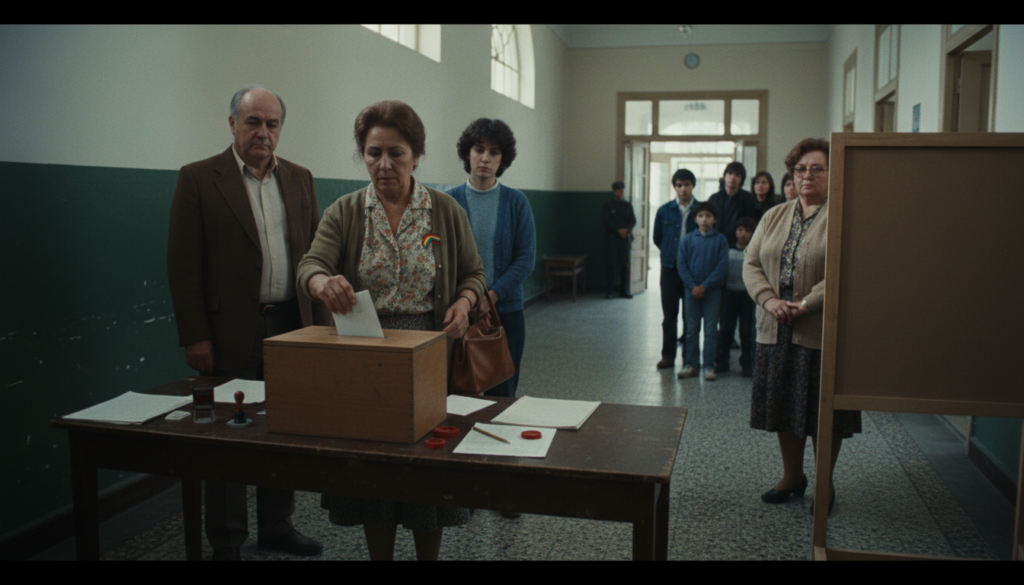
Chile Rejects Extension of Pinochet’s Rule

Year: 1988
On October 5, 1988, Chileans voted “No” in a national plebiscite on extending Augusto Pinochet’s rule for another eight years. The result forced the regime to permit competitive presidential and parliamentary elections in 1989, leading to civilian government in 1990. The vote marked a decisive turn from the military dictatorship established after the 1973 coup, though Pinochet remained army commander until 1998.
*Dr. No* Premieres in London

*Dr. No* Premieres in London
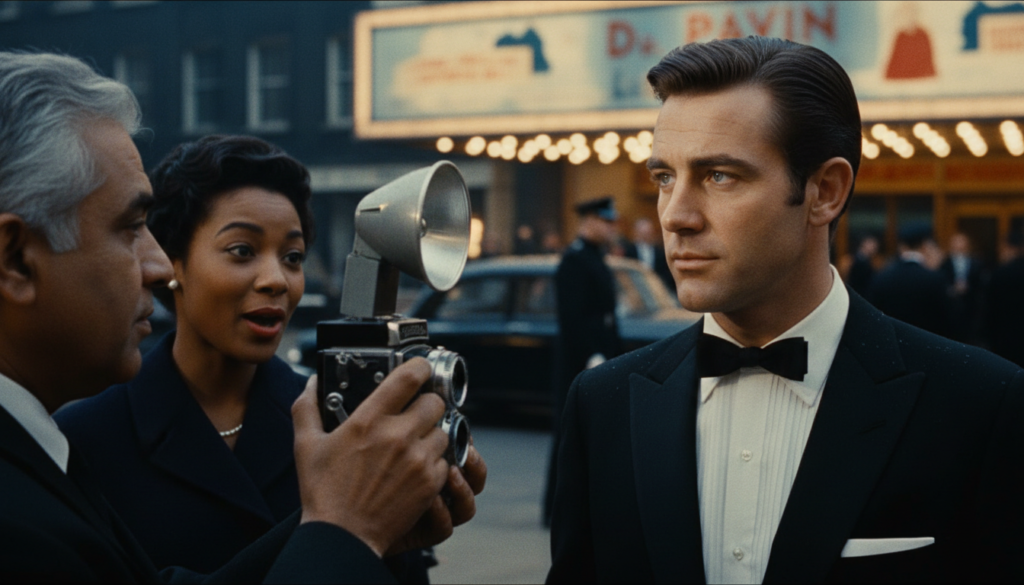
Year: 1962
On October 5, 1962, *Dr. No*, the first James Bond feature film, premiered at the London Pavilion, starring Sean Connery as Ian Fleming’s British secret agent. Its success launched the long-running Bond film franchise and established a durable model for action-adventure cinema built around espionage, exotic settings, gadgets, and spectacle. The film emerged during the Cold War, when spy fiction reflected international tensions, and it helped turn Fleming’s already popular novels into a global cultural phenomenon.
First Televised Presidential Address
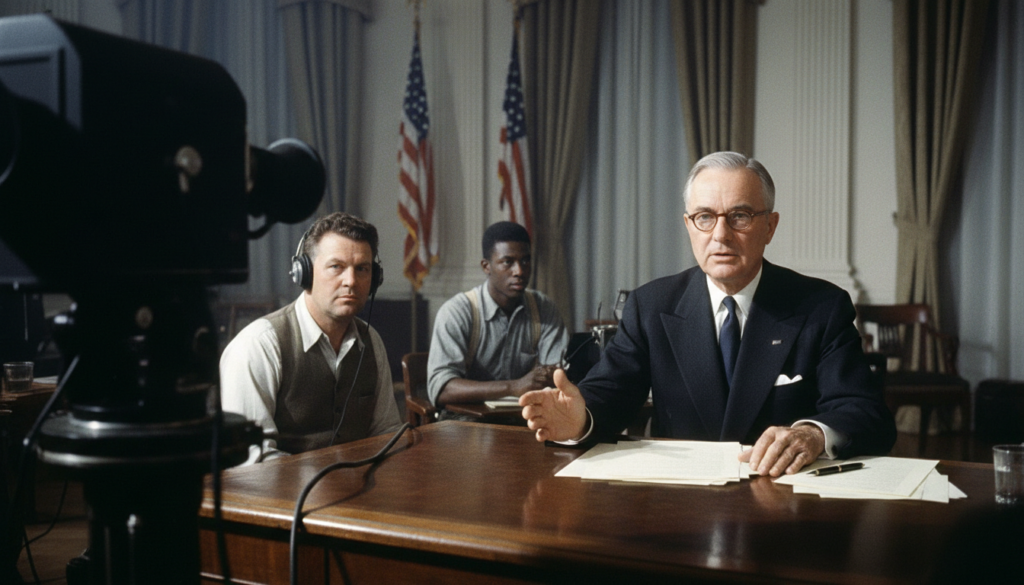
First Televised Presidential Address
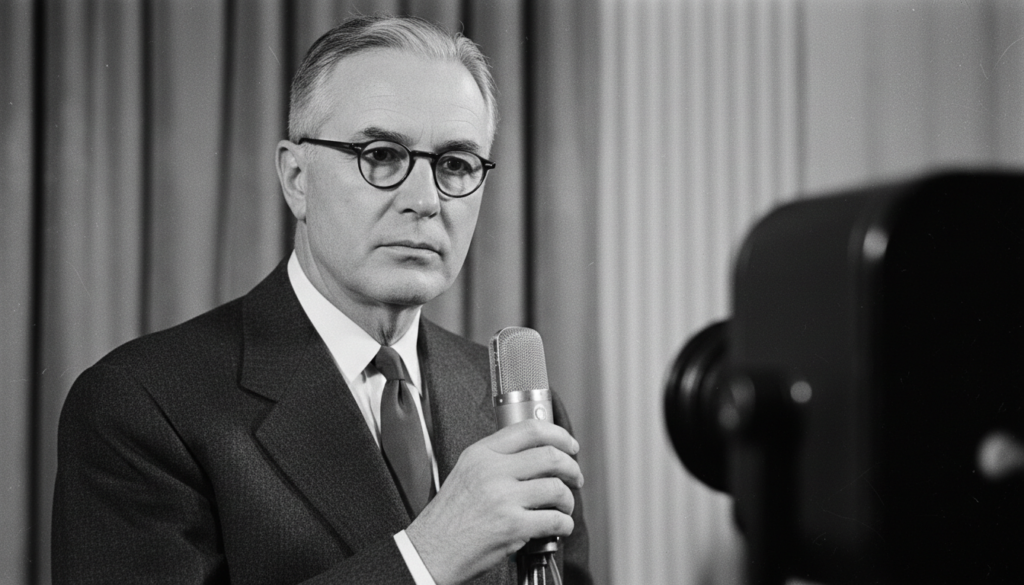
Year: 1947
On October 5, 1947, President Harry S. Truman delivered the first televised White House address, asking Americans to conserve food to help Europe. The broadcast mattered because it marked an early use of television by a president to speak directly to the nation about public policy. It came amid severe postwar food shortages in Europe and growing U.S. efforts to support European recovery after World War II.
R101 Airship Disaster
Event 5
Year: 1930
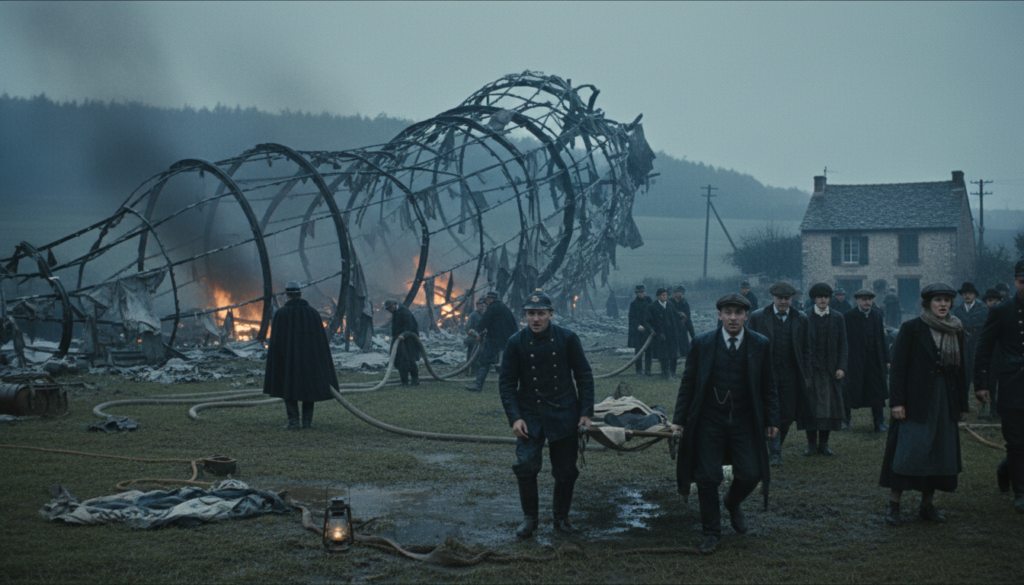
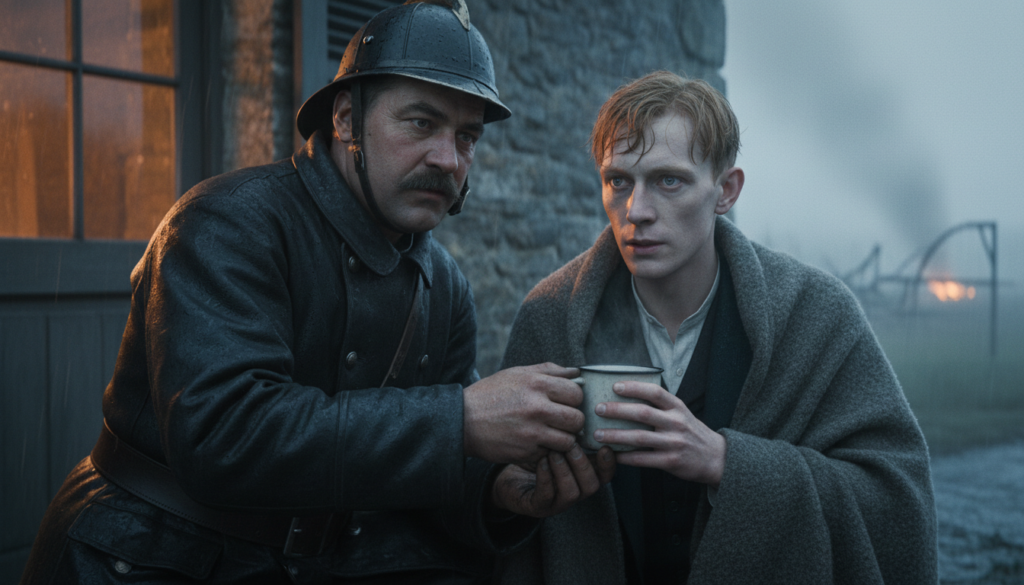
On 5 October 1930, Britain’s R101 rigid airship crashed in bad weather near Beauvais, France, during its first overseas voyage, killing 48 of the 54 people aboard. The disaster destroyed confidence in the government-backed Imperial Airship Scheme and effectively ended Britain’s program for long-distance passenger airships. It occurred during the interwar effort to develop dirigibles for imperial travel, before fixed-wing aircraft became dominant in long-range aviation.