
October 14
5 moments across history
Martin Luther King Jr. Wins Nobel Peace Prize
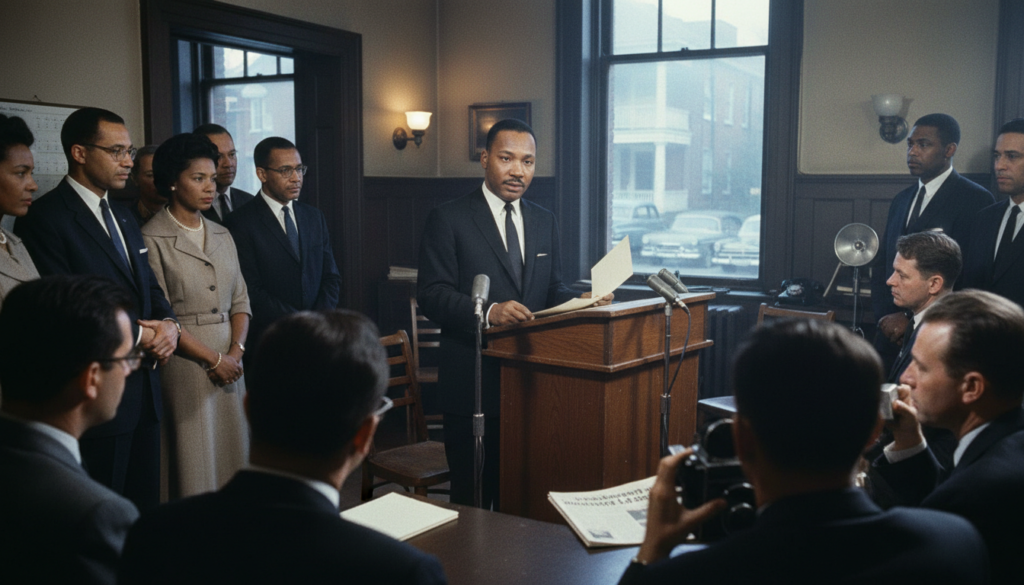
On October 14, 1964, Martin Luther King Jr. was announced as the Nobel Peace Prize laureate for leading a nonviolent campaign against racial injustice. The honor recognized the importance and international influence of his work in the American civil rights movement. His selection came amid the struggle to end segregation, months after the Civil Rights Act of 1964 became law and as efforts for voting rights continued.
Martin Luther King Jr. Wins Nobel Peace Prize
Soviet Missile Sites Photographed in Cuba
Soviet Missile Sites Photographed in Cuba

Year: 1962
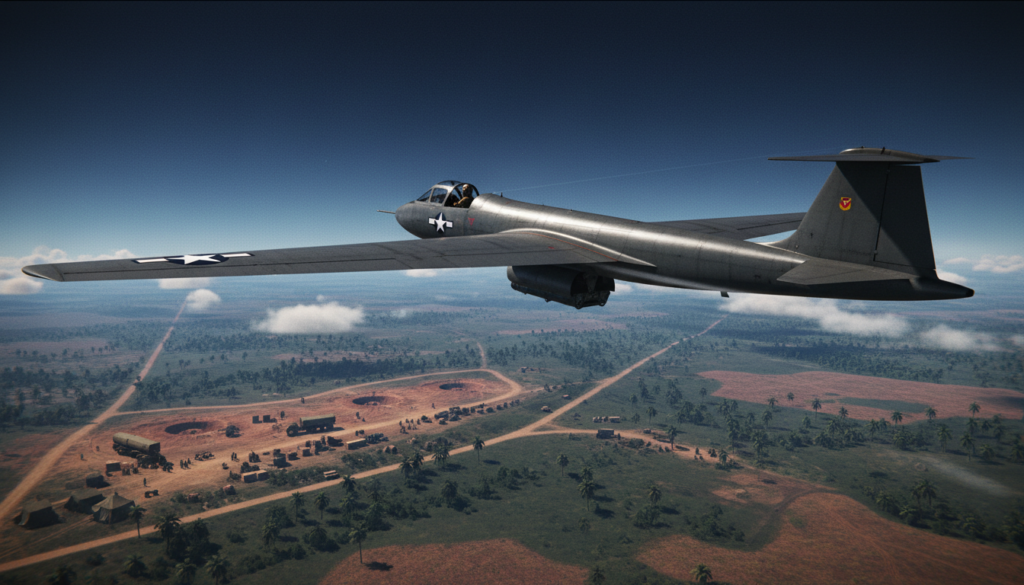
On October 14, 1962, a U.S. U-2 reconnaissance aircraft photographed Soviet nuclear missile sites under construction in Cuba. The images confirmed that the Soviet Union was deploying missiles capable of striking much of the United States, triggering a major national security crisis. The discovery led to the Cuban Missile Crisis, a 13-day confrontation that brought the United States and Soviet Union close to nuclear war during the Cold War.
Chuck Yeager Breaks the Sound Barrier

Chuck Yeager Breaks the Sound Barrier
Year: 1947
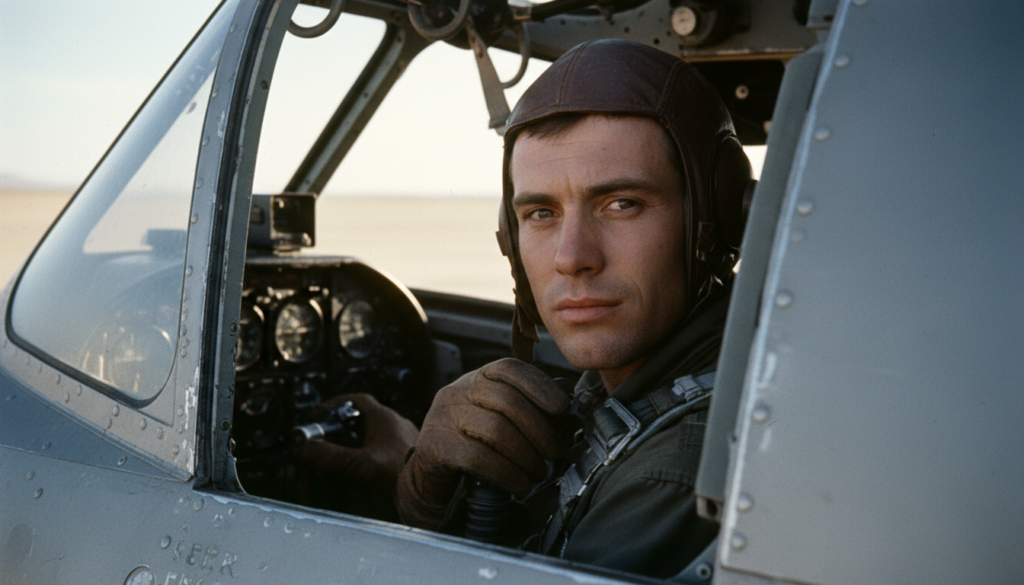
On October 14, 1947, U.S. Air Force Captain Chuck Yeager flew the rocket-powered Bell X-1 faster than sound in level flight over California’s Mojave Desert. The achievement proved that controlled supersonic flight was possible, overcoming a major technological and psychological barrier in aviation. Conducted amid rapid postwar advances in aeronautics, the flight helped pave the way for later supersonic military aircraft, research planes, and airliners.
Sobibor Uprising
Sobibor Uprising
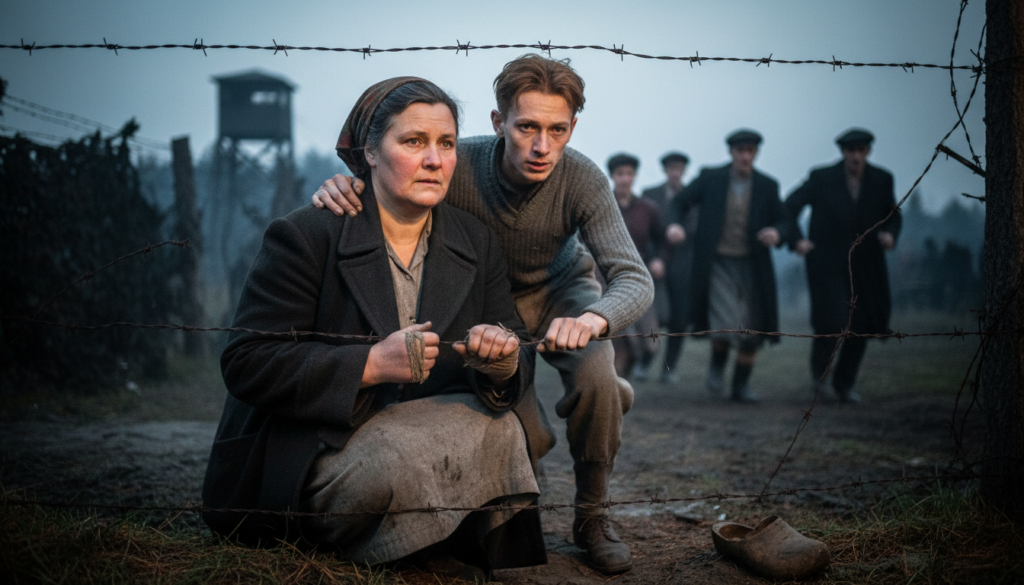
Year: 1943
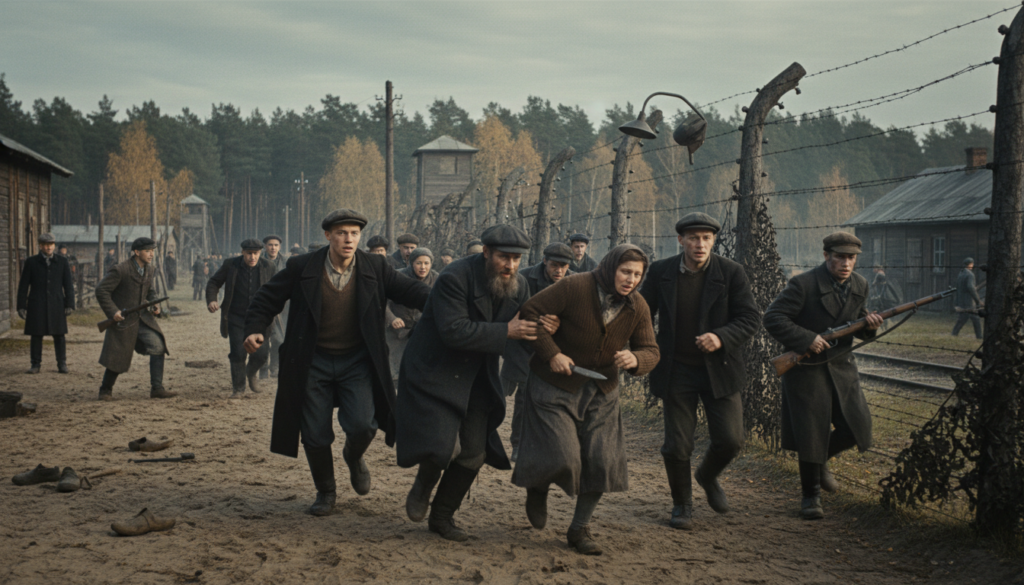
On October 14, 1943, Jewish prisoners at Sobibor extermination camp in German-occupied Poland killed several SS officers and guards and launched a mass escape. About 300 prisoners broke out; many were recaptured or killed, but dozens survived the war, making the revolt one of the most significant acts of resistance in a Nazi death camp. Sobibor was part of Operation Reinhard, the Nazi campaign to murder Jews in occupied Poland, and the Germans closed and dismantled the camp soon after the uprising.
*Winnie-the-Pooh* Published
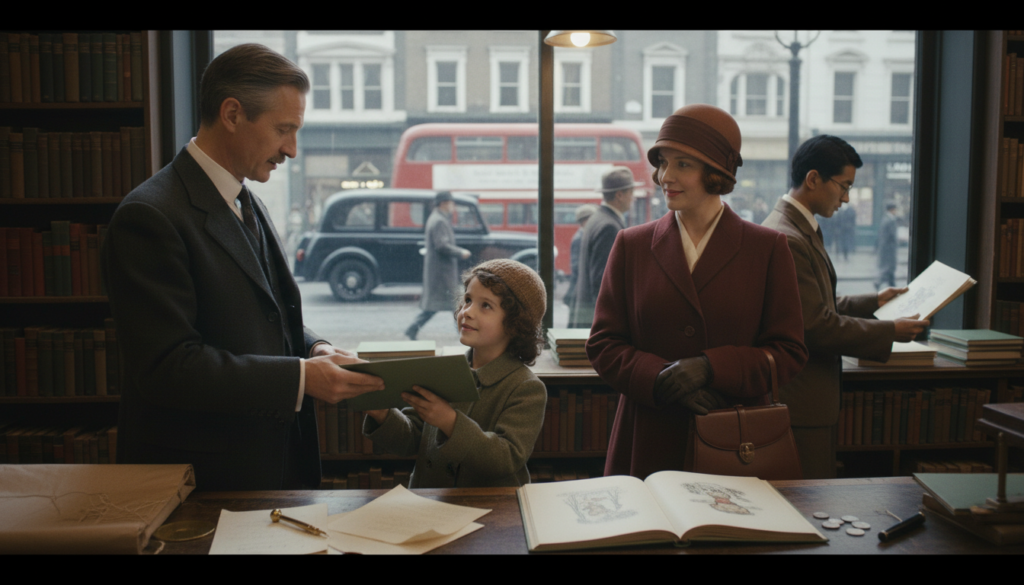
*Winnie-the-Pooh* Published

Year: 1926
On October 14, 1926, A. A. Milne’s story collection *Winnie-the-Pooh* was first published in London, with illustrations by E. H. Shepard. The book introduced readers to Pooh, Christopher Robin, and their friends, becoming an enduring classic of children’s literature. Its publication came during the interwar flourishing of British children’s books and helped establish characters that became internationally recognized.