

October 4
5 moments across history
Pope Paul VI Addresses the United Nations
On October 4, 1965, Pope Paul VI became the first reigning pope to visit the United States and address the United Nations General Assembly. His appearance underscored the papacy’s growing diplomatic role, and he used the occasion to appeal for peace and international cooperation. The speech came amid the Cold War and the Second Vatican Council, as the Catholic Church pursued greater engagement with the modern world.
Pope Paul VI Addresses the United Nations
Sputnik 1 Launches
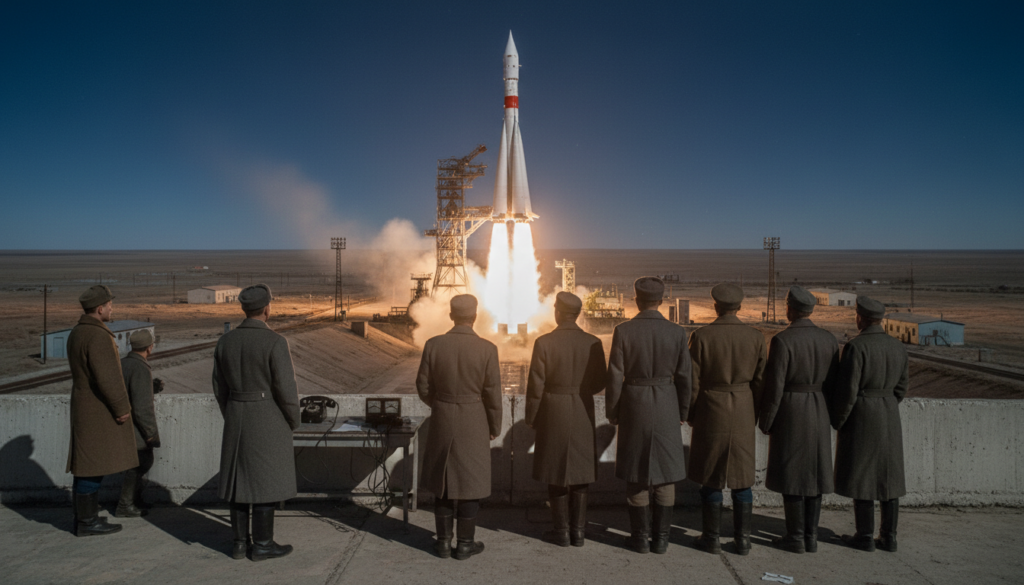
Sputnik 1 Launches
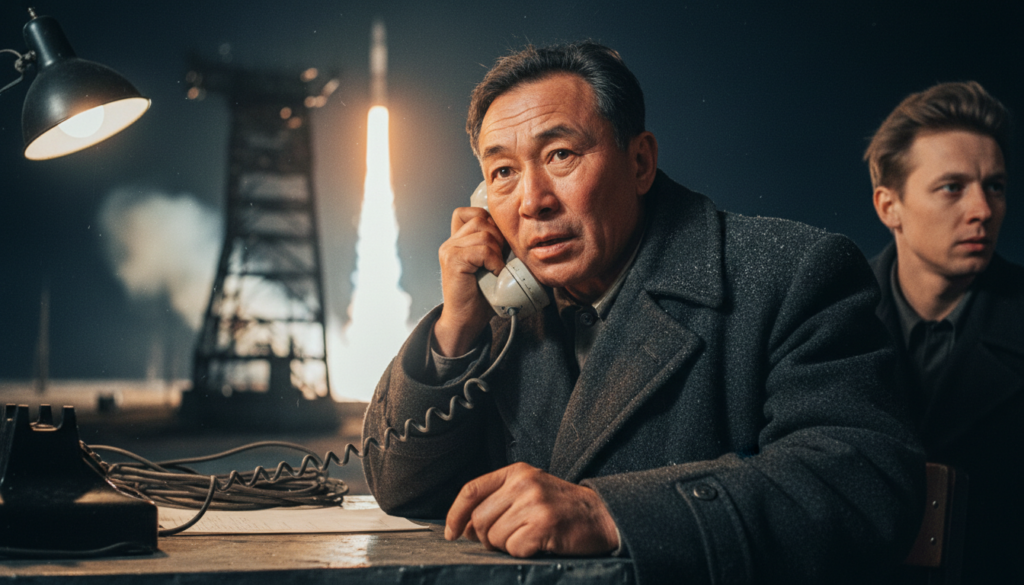
Year: 1957
On October 4, 1957, the Soviet Union launched Sputnik 1, the first artificial satellite to orbit Earth. Its success began the Space Age and demonstrated that the Soviet Union possessed advanced rocket technology. Launched during the Cold War, Sputnik intensified the space race and prompted greater U.S. investment in science, education, and space exploration.
Mount Rushmore Carving Begins

Mount Rushmore Carving Begins

Year: 1927
On October 4, 1927, sculptor Gutzon Borglum began carving Mount Rushmore in South Dakota’s Black Hills. The project created a monumental tribute to Presidents George Washington, Thomas Jefferson, Abraham Lincoln, and Theodore Roosevelt. Completed in 1941, it became a national symbol while remaining controversial because the Black Hills are sacred to the Lakota and were taken by the United States despite treaty protections.
Orient Express Begins Service

Orient Express Begins Service

Year: 1883
On October 4, 1883, the Orient Express began service, departing Paris on its inaugural journey toward Constantinople. The luxury train made long-distance travel across Europe faster and more comfortable, becoming a symbol of international rail travel. Its launch reflected the expansion of European railway networks and growing economic and diplomatic connections with the Ottoman Empire.
Belgium Declares Independence
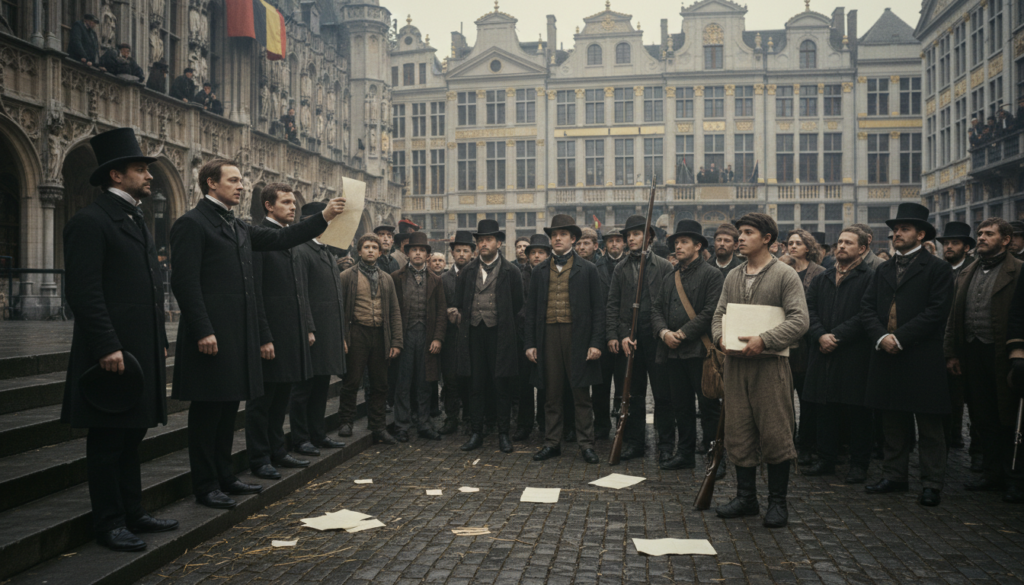
Belgium Declares Independence

Year: 1830
On October 4, 1830, a provisional government proclaimed Belgium’s independence from the United Kingdom of the Netherlands during the Belgian Revolution. The declaration established the basis for a separate Belgian state, whose independence was later secured through conflict and international diplomacy. Belgium had been joined with the northern Netherlands after the Napoleonic Wars, but religious, political, linguistic, and economic tensions fueled opposition to Dutch rule.