
October 3
5 moments across history
Battle of Mogadishu Begins
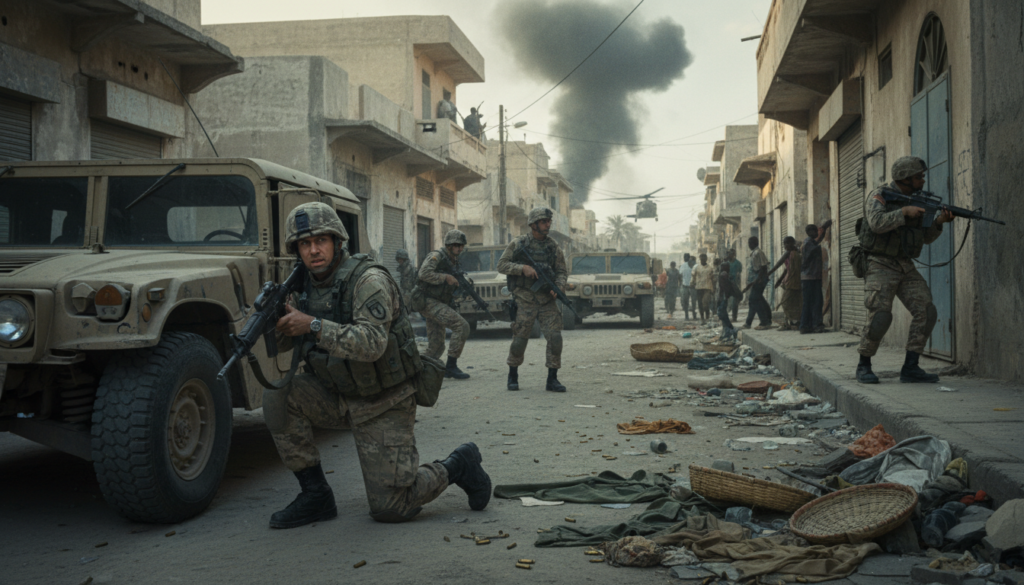
On October 3, 1993, U.S. forces raided Mogadishu to capture lieutenants of Somali warlord Mohamed Farrah Aidid, but two Black Hawk helicopters were shot down and an overnight battle followed. The fighting killed 18 U.S. service members and many Somalis, exposing the risks of urban combat and prompting the United States to withdraw its forces from Somalia in 1994. The battle occurred amid Somalia’s civil war and a broader UN-backed humanitarian intervention intended to protect famine relief after the collapse of the Somali government.
Battle of Mogadishu Begins
German Reunification
German Reunification

Year: 1990
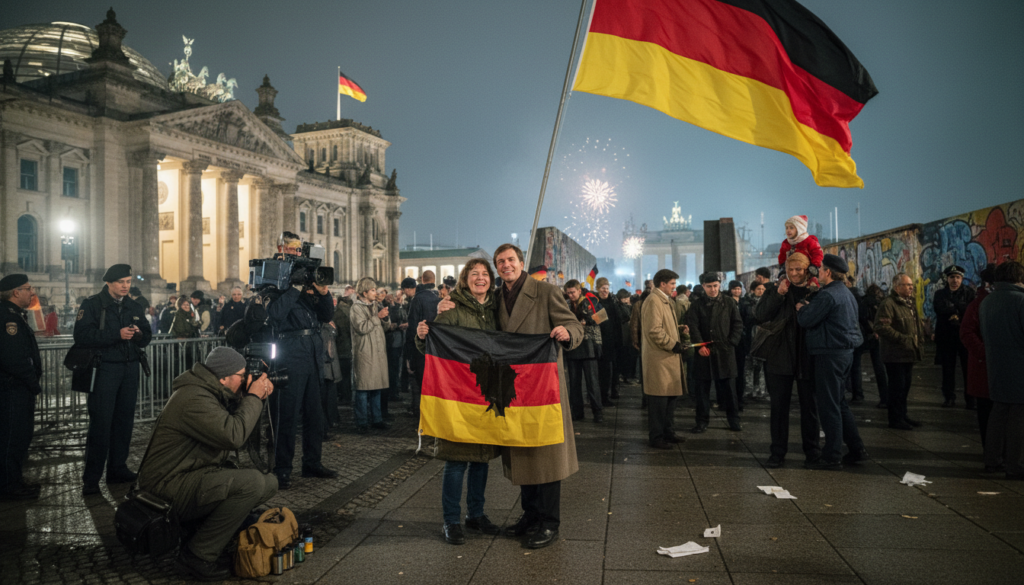
On October 3, 1990, East Germany formally joined the Federal Republic of Germany, restoring a single German state. Reunification ended more than four decades of political division and made Berlin the capital of a united Germany. It followed Germany’s post–World War II partition, the Cold War separation of East and West, and the 1989 fall of the Berlin Wall.
Britain Tests Its First Atomic Bomb
Britain Tests Its First Atomic Bomb
Year: 1952
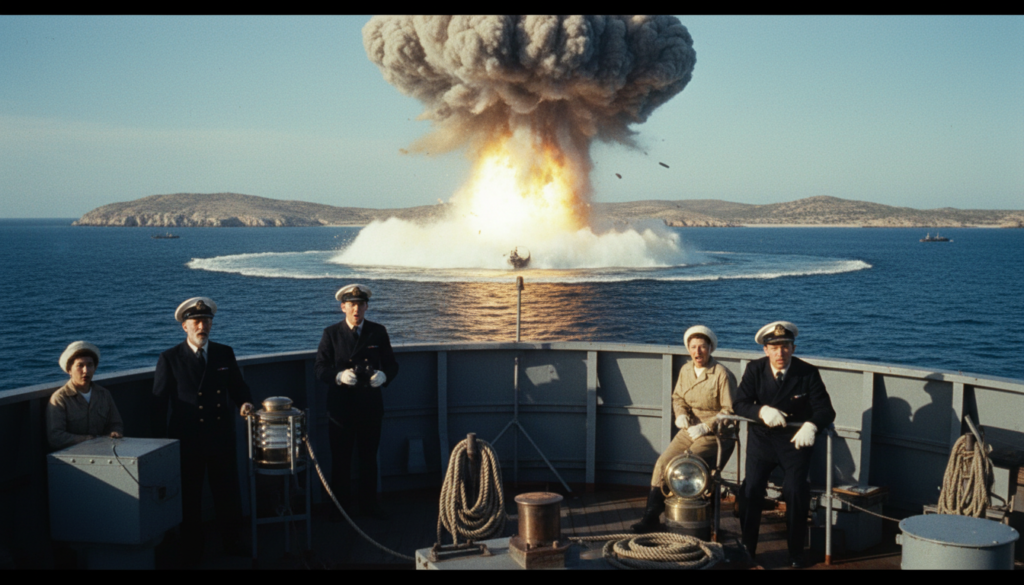
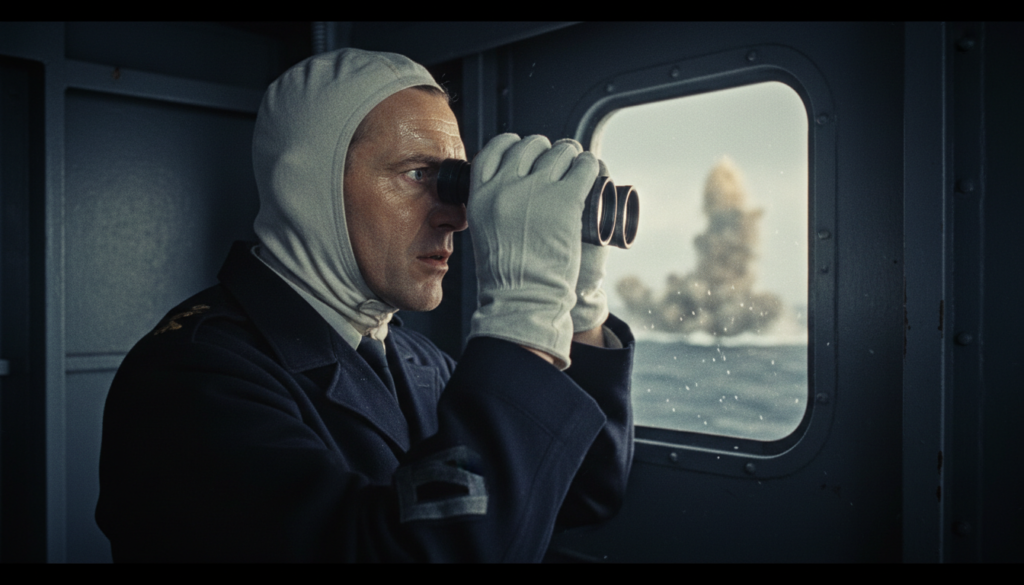
On October 3, 1952, Britain detonated its first atomic bomb during Operation Hurricane at the Monte Bello Islands off Western Australia. The successful test made the United Kingdom the third country to develop and test a nuclear weapon, after the United States and Soviet Union. It established Britain as an independent nuclear power amid the early Cold War arms race and growing tensions between the Western allies and Soviet bloc.
First Successful V-2 Rocket Flight
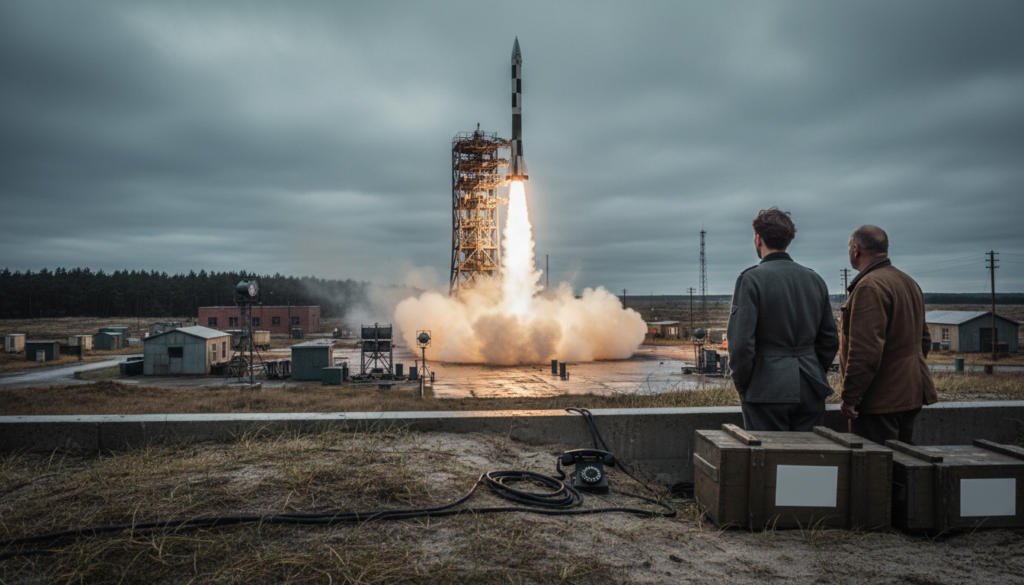
Event 4

Year: 1942
On October 3, 1942, Germany successfully launched an A-4 rocket, later called the V-2, from Peenemünde. It was the first successful flight of a long-range guided ballistic missile and demonstrated technology that helped shape postwar rocketry and spaceflight. Developed during World War II, the V-2 was later used by Nazi Germany against Allied cities, killing civilians and relying heavily on forced labor for production.
Italy Invades Ethiopia
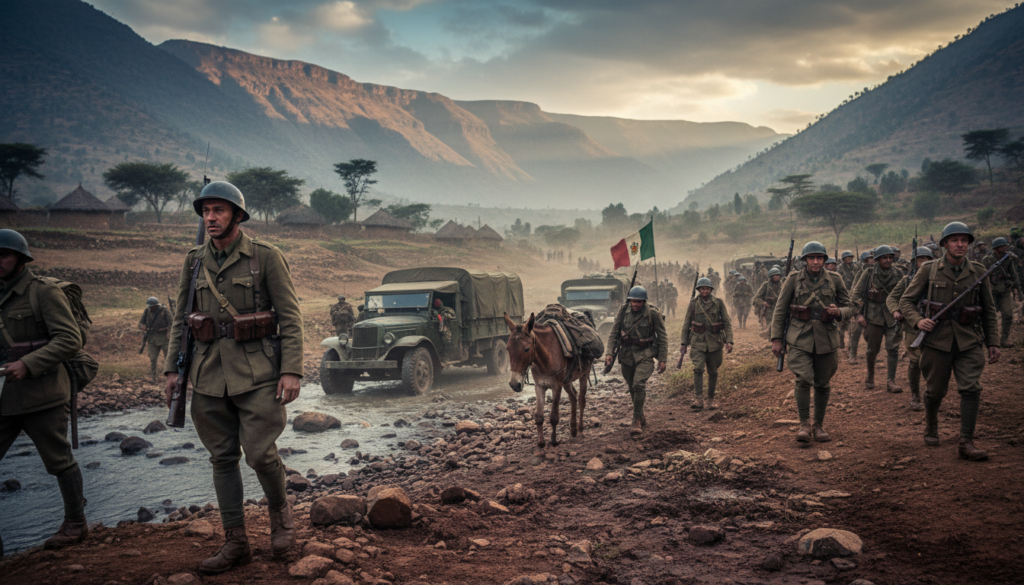
Italy Invades Ethiopia

Year: 1935
On October 3, 1935, Italian forces invaded Ethiopia from Eritrea, beginning the Second Italo-Ethiopian War. The invasion led to Ethiopia’s occupation and exposed the League of Nations’ inability to stop aggression despite imposing sanctions. It formed part of Benito Mussolini’s fascist imperial expansion and the mounting international tensions preceding World War II.