![[e]Photo Stream](/logo.png)

April 13
5 moments across history
Apollo 13 Crippled by Oxygen Tank Explosion
On April 13, 1970, an oxygen tank aboard the Apollo 13 Service Module exploded while the spacecraft was approximately 200,000 miles from Earth. The explosion caused a sudden loss of power and oxygen, forcing the crew — Jim Lovell, Jack Swigert, and Fred Haise — to abandon their lunar landing mission and move into the Lunar Module as a lifeboat. The crisis prompted the famous report, "Houston, we’ve had a problem," and launched an intense, high-stakes effort by Mission Control to bring the crew safely home.
The Apollo 13 Command Module floating in space after the Service Module explosion, April 13, 1970
The Jallianwala Bagh Massacre

A peaceful crowd gathered at Jallianwala Bagh in Amritsar before the massacre, April 13, 1919
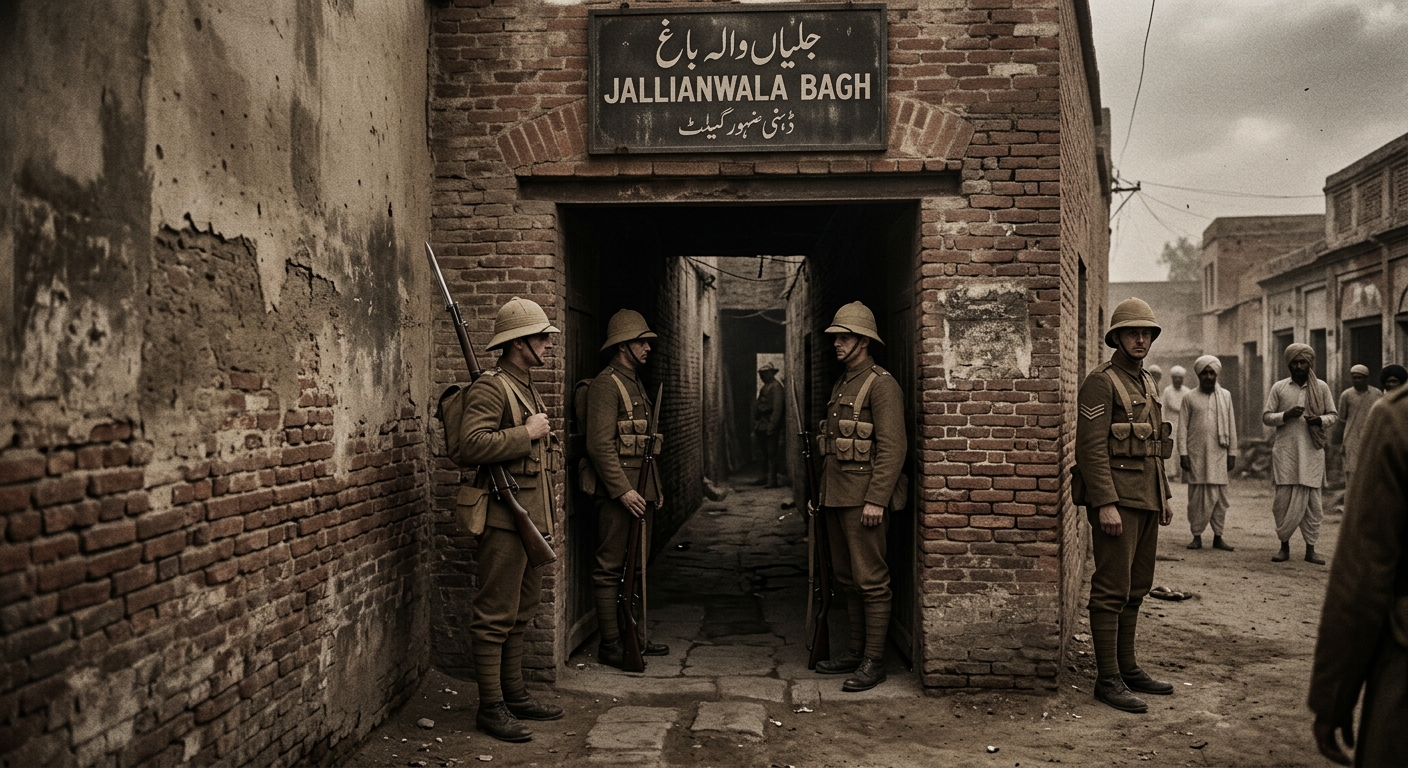
The narrow entrance to Jallianwala Bagh where British troops were stationed during the 1919 massacre
On April 13, 1919, British Indian Army troops, led by Brigadier-General Reginald Dyer, opened fire on a large, unarmed crowd gathered at Jallianwala Bagh in Amritsar, India. The crowd had gathered peacefully to protest the arrest of leaders in the Indian independence movement. The troops fired for ten minutes, killing hundreds and injuring over a thousand people. The massacre marked a turning point in the struggle for Indian independence, fueling massive resistance against British colonial rule.
The Metropolitan Museum of Art Is Founded
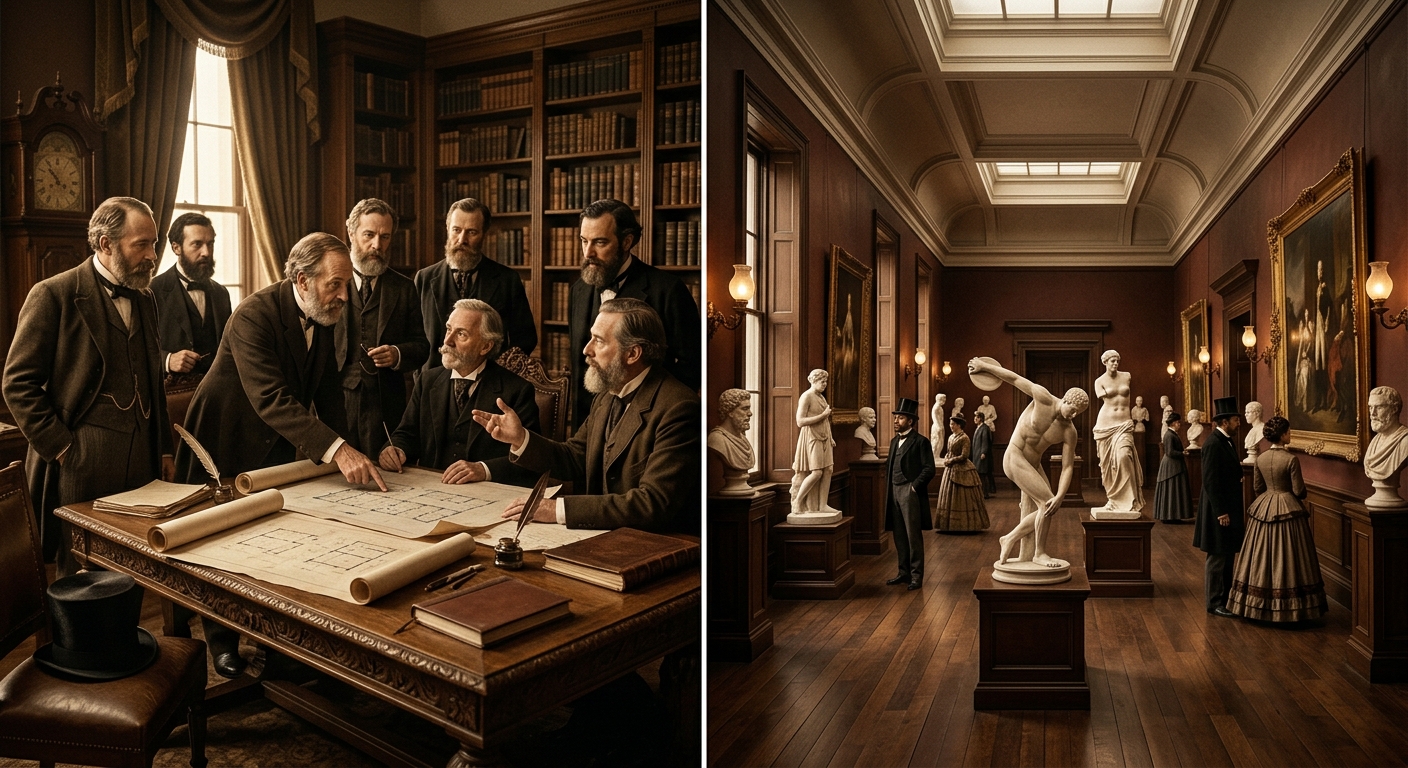
The original board members of the Metropolitan Museum of Art gathered in New York, 1870
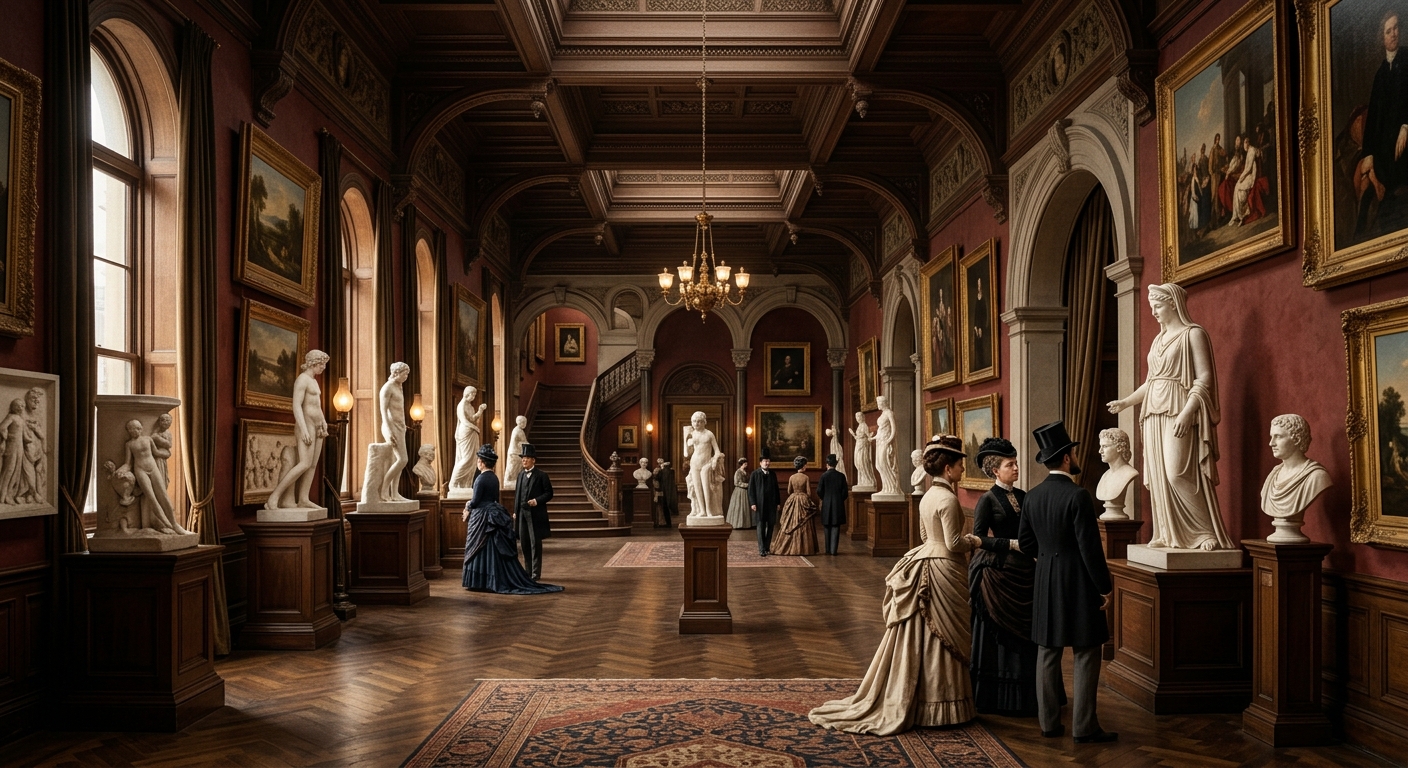
The first gallery space of the Metropolitan Museum of Art in 1870, showcasing classical sculpture
On April 13, 1870, the Metropolitan Museum of Art was founded in New York City by a group of American citizens who wanted to bring art and art education to the American public. From its humble beginnings in a rented building on Fifth Avenue, the Met has grown into one of the largest and most influential art museums in the world, housing a collection that spans over 5,000 years of global history. Its founding marked a major milestone in the development of American cultural institutions.
King Henry IV Signs the Edict of Nantes

King Henry IV of France signing the Edict of Nantes in a royal chamber, April 13, 1598
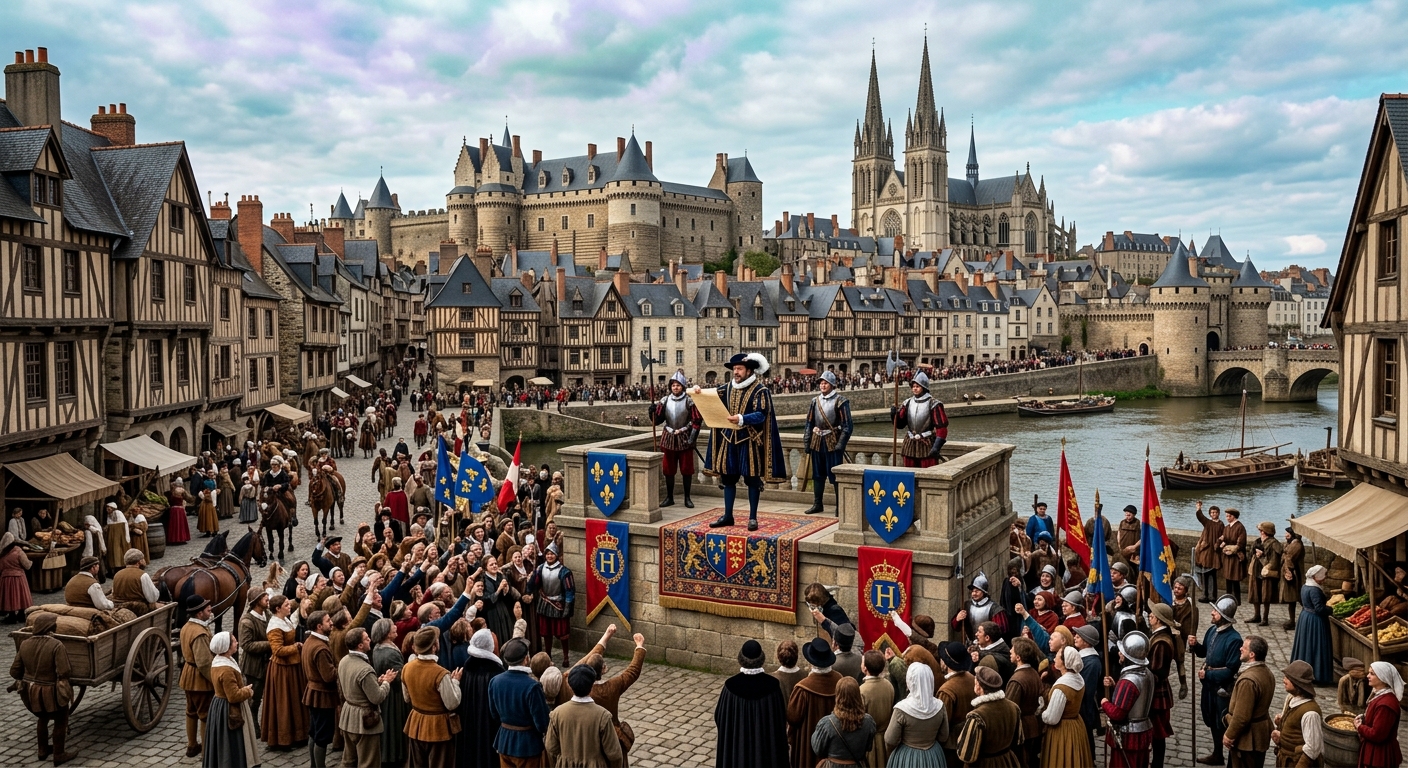
Royal messengers announcing the Edict of Nantes to the public in the city of Nantes, 1598
On April 13, 1598, King Henry IV of France signed the Edict of Nantes, a landmark decree that granted substantial political and religious rights to the French Protestant Huguenots. The edict effectively ended the bloody French Wars of Religion by establishing a framework for coexistence between Catholics and Protestants. It was a significant step toward religious tolerance in Europe and allowed France to focus on internal reconstruction and the consolidation of royal power.
Tiger Woods Becomes the Youngest Masters Winner

Tiger Woods putting for the record-breaking win on the 18th green at Augusta, April 13, 1997

Tiger Woods wearing the green jacket after his historic Masters victory in 1997
On April 13, 1997, 21-year-old Tiger Woods won the Masters Tournament at Augusta National, becoming the youngest golfer ever to win the title. Woods finished with a record-breaking 18-under-par, winning by a staggering 12 strokes. His victory was more than a sports milestone; as the first person of African and Asian heritage to win a major golf title, his win fundamentally changed the landscape of the sport and made him a global cultural icon.