![[e]Photo Stream](/logo.png)
April 14
5 moments across history
Assassination of Abraham Lincoln
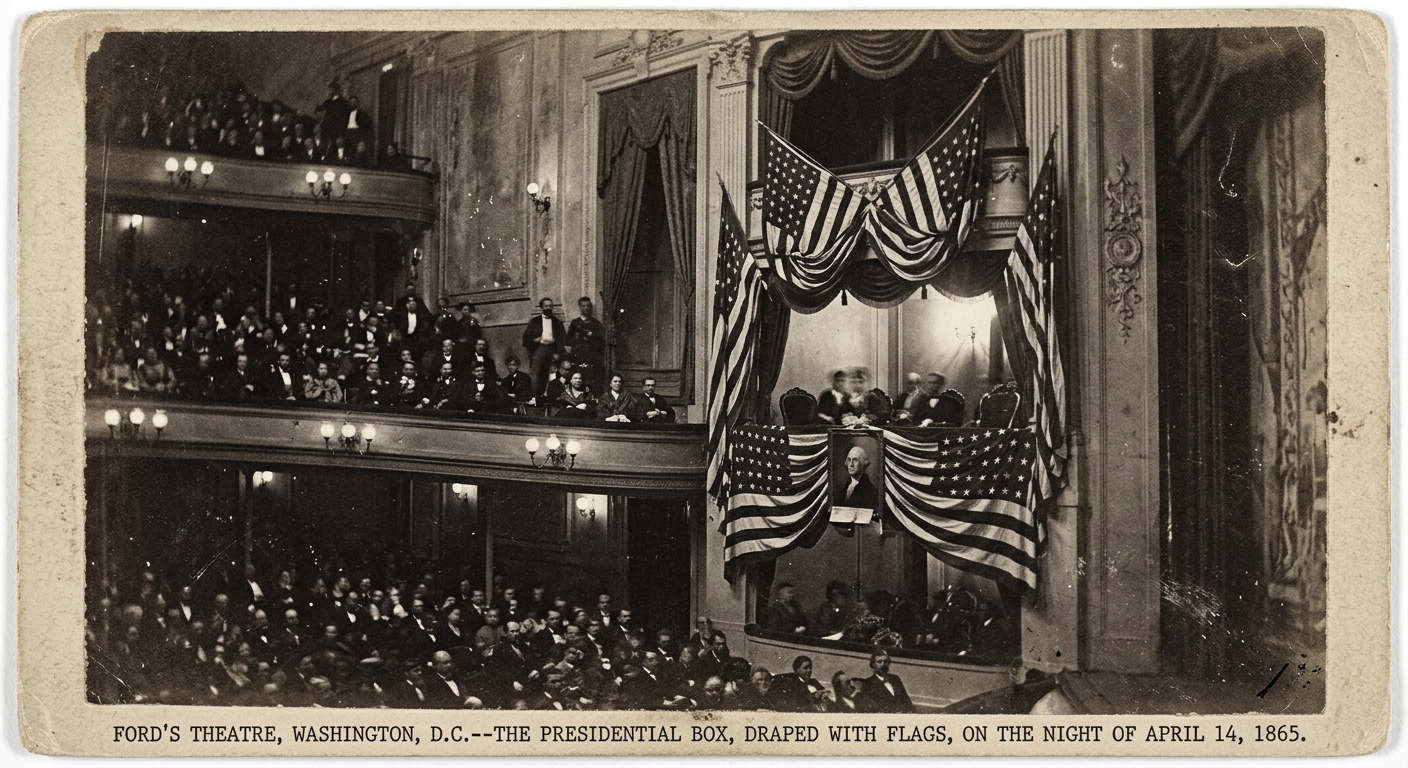
On April 14, 1865, President Abraham Lincoln was shot by John Wilkes Booth at Ford's Theatre in Washington, D.C. The assassination occurred just days after the Confederate surrender at Appomattox, turning a moment of national celebration into one of profound grief. Lincoln died the following morning, becoming the first American president to be assassinated. His death left the nation in shock and fundamentally altered the course of the Reconstruction era.
The presidential box at Ford's Theatre where Abraham Lincoln was shot on April 14, 1865
RMS Titanic Strikes an Iceberg
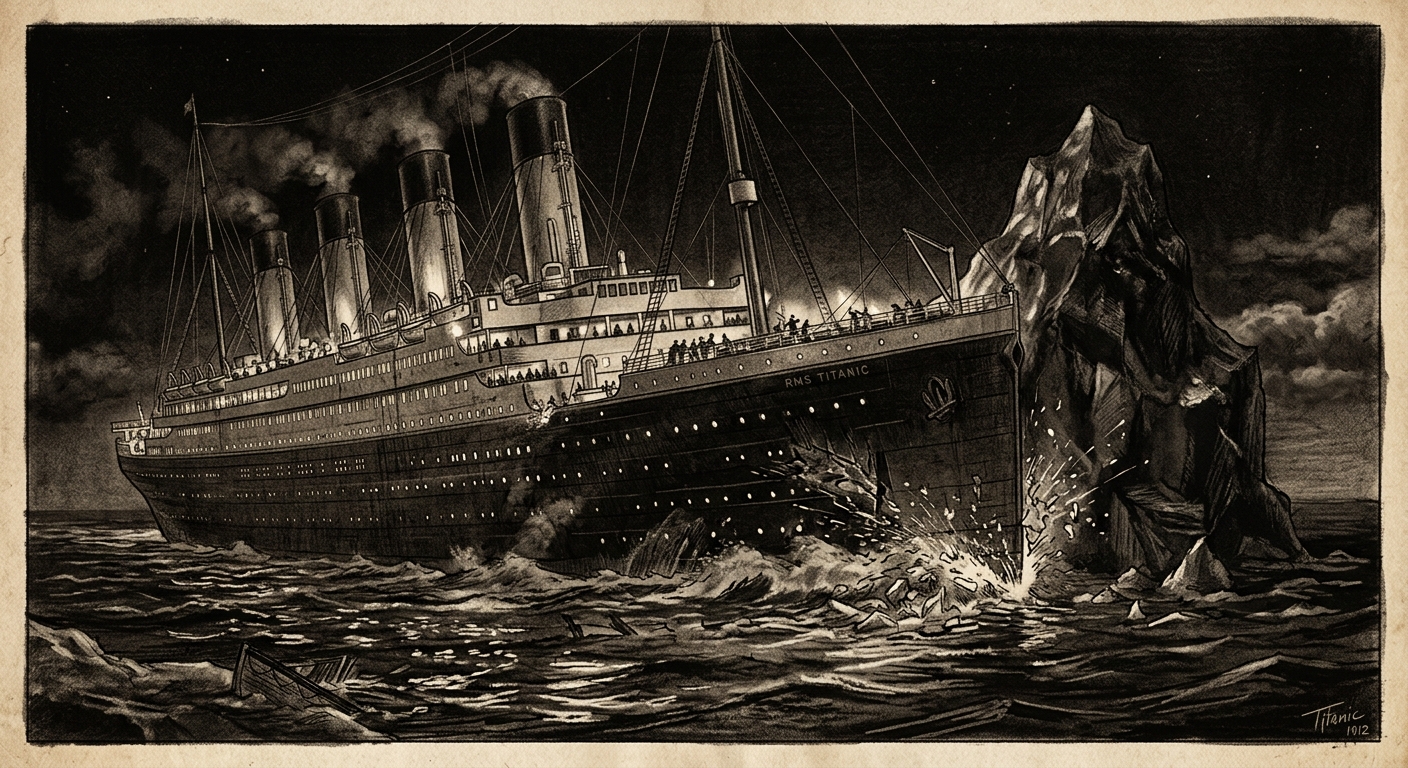
Depiction of the RMS Titanic striking the iceberg in the North Atlantic, late April 14, 1912
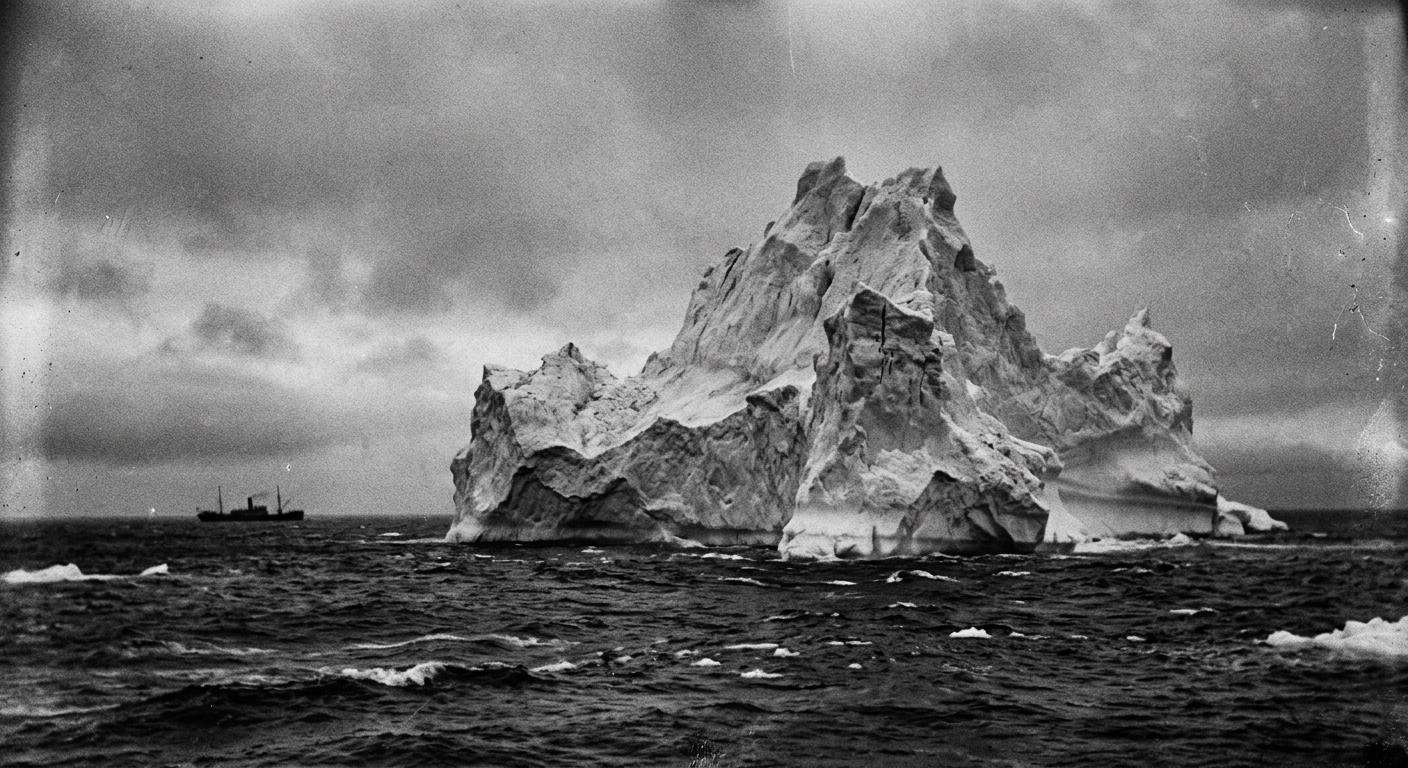
A massive iceberg in the North Atlantic, similar to the one that sank the Titanic
At 11:40 PM on April 14, 1912, the RMS Titanic struck an iceberg in the North Atlantic on her maiden voyage from Southampton to New York. The collision opened a series of gashes along the ship's starboard side, compromising the 'unsinkable' vessel's hull. The liner would sink less than three hours later, resulting in the loss of more than 1,500 lives in one of the most famous and tragic maritime disasters in history.
Black Sunday Dust Storm
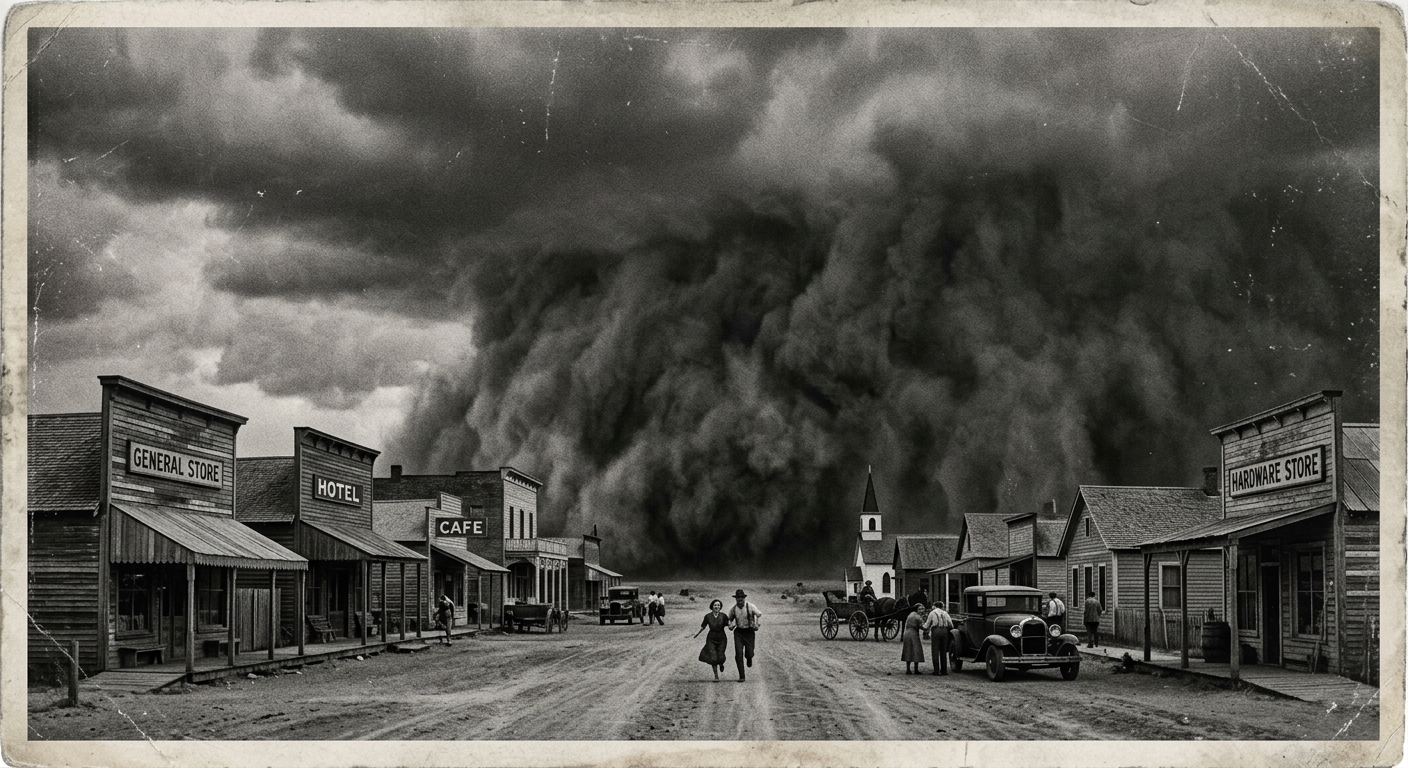
A wall of dust approaching a town during the 'Black Sunday' storm, April 14, 1935
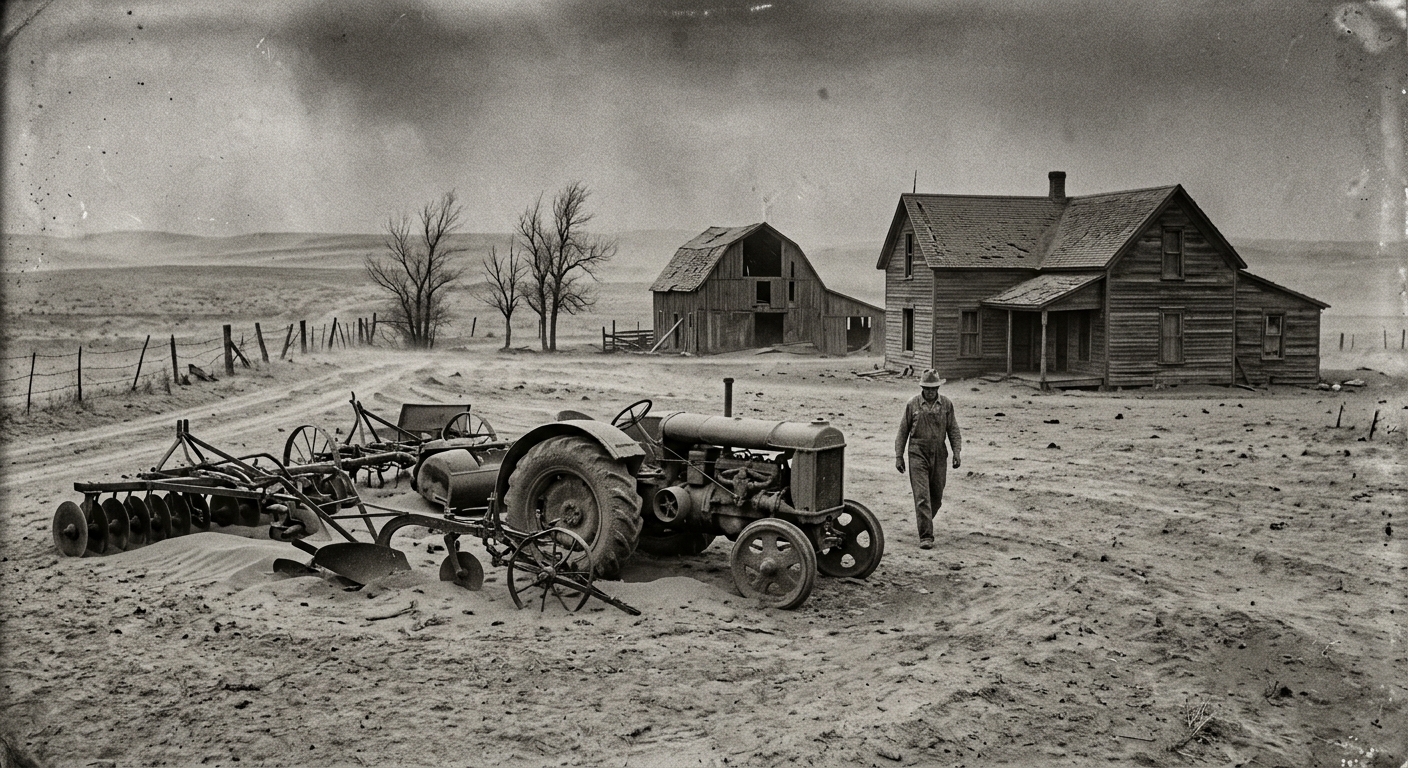
The desolate, dust-covered landscape of a farm in the Great Plains during the 1930s
On April 14, 1935, one of the worst dust storms in American history, known as 'Black Sunday,' swept across the Great Plains. The storm turned day into night and displaced an estimated 300,000 tons of topsoil, devastating farms and communities already suffering through the Great Depression. The event became the defining moment of the Dust Bowl era, highlighting the environmental and social consequences of unsustainable land management.
Edison's Kinetoscope Public Debut
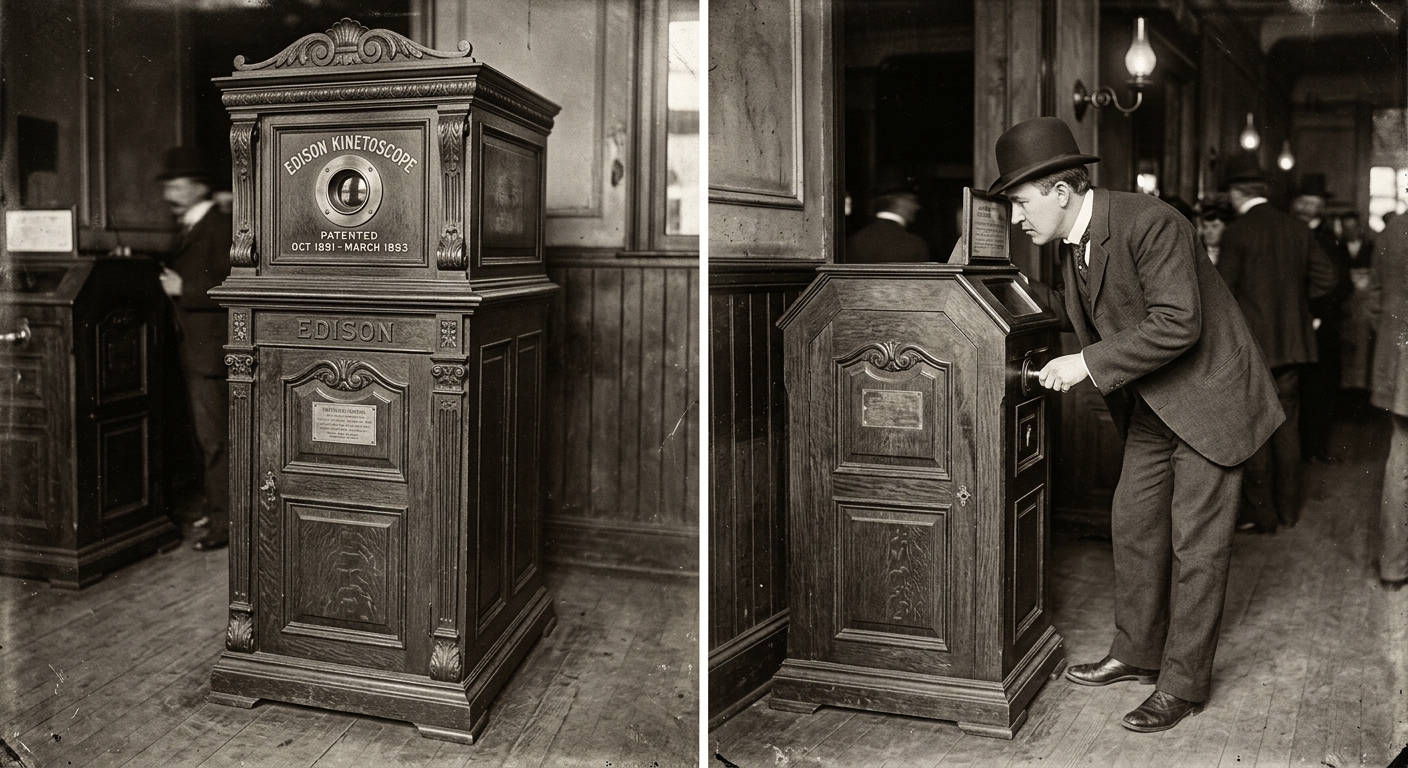
An original Edison Kinetoscope, the device that first brought moving pictures to the public in 1894
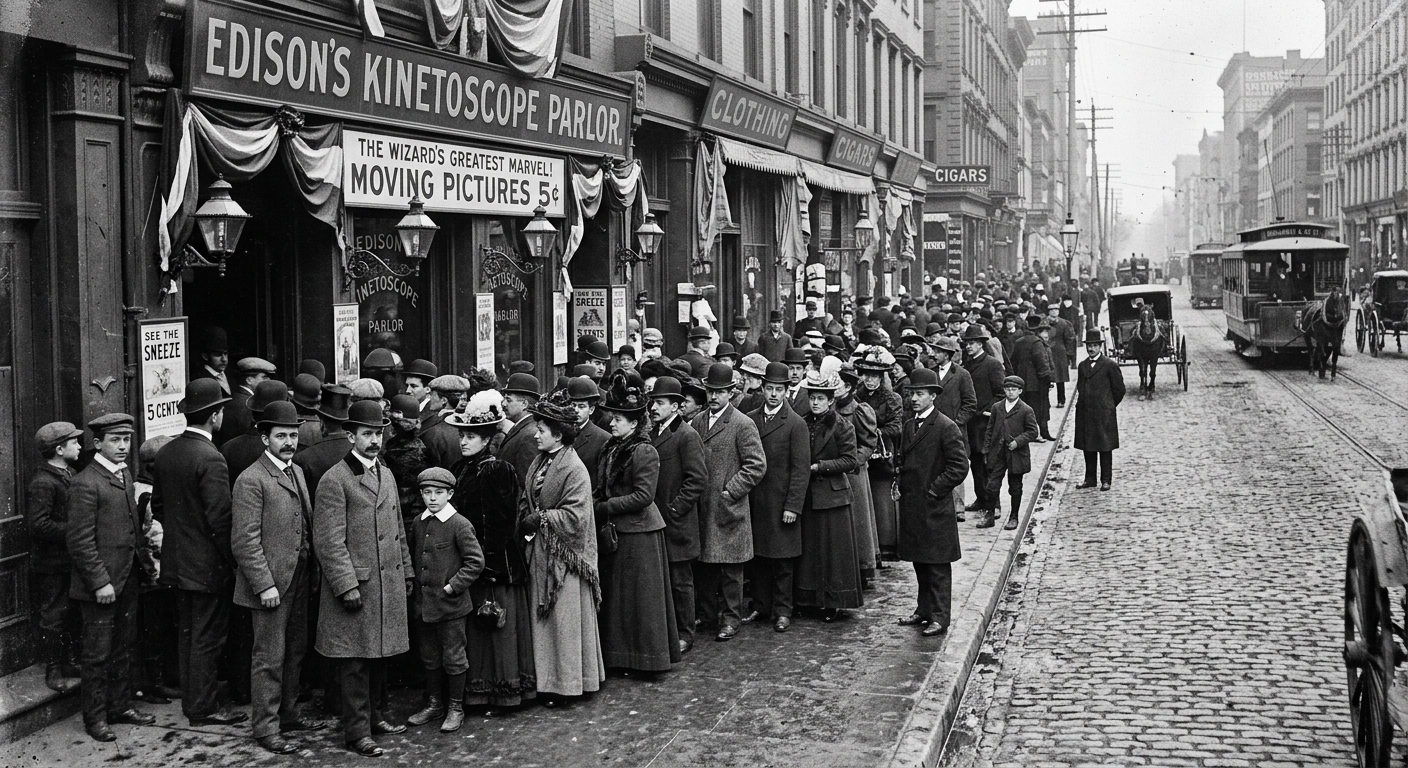
A crowd gathered at an early Kinetoscope parlor to experience the wonder of motion pictures
On April 14, 1894, the first commercial Kinetoscope parlor opened in New York City, marking the public debut of Thomas Edison's motion picture exhibition device. For a small fee, viewers could peer through a peephole at the top of a wooden cabinet to see short, moving films. This first public showing represented the birth of the commercial film industry, laying the groundwork for the evolution of cinema and modern visual entertainment.
Space Shuttle Columbia Returns to Earth
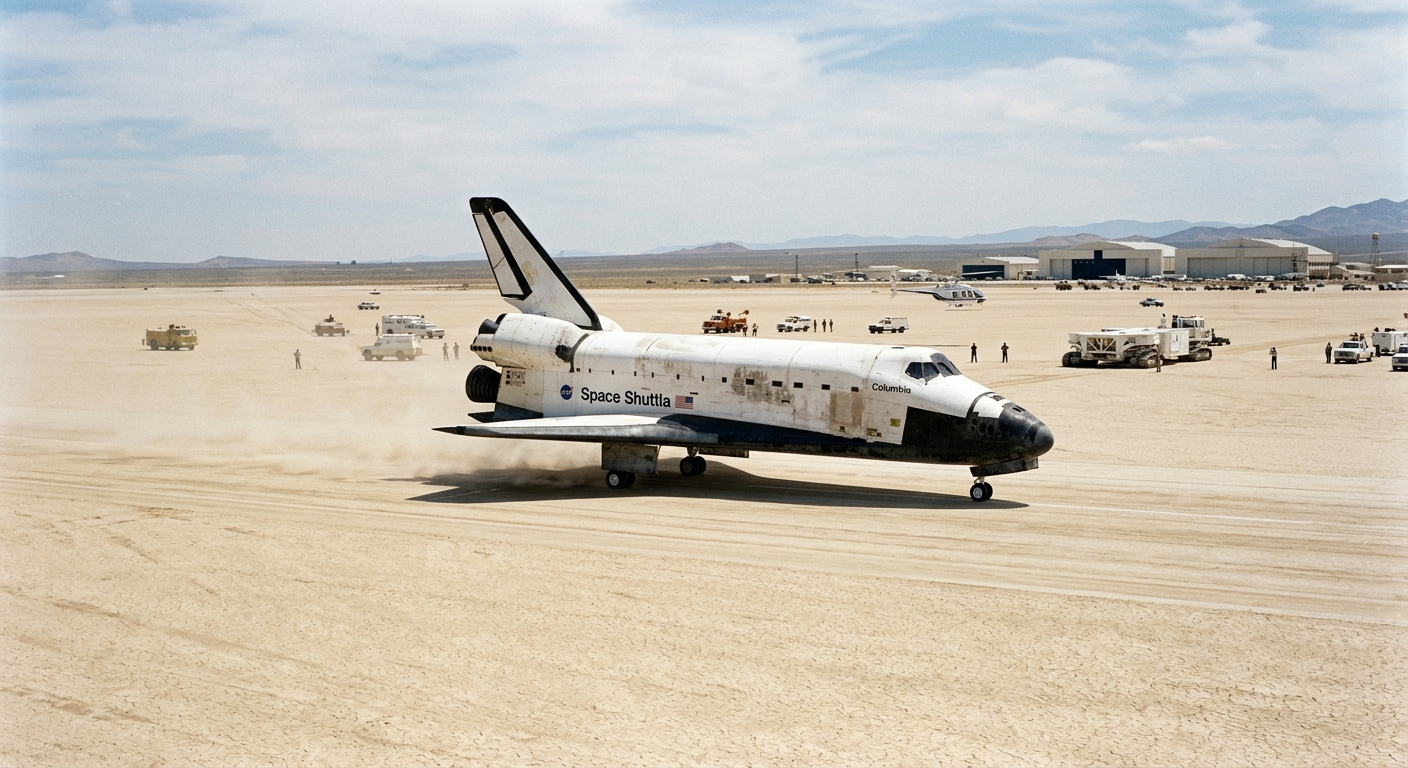
Space Shuttle Columbia landing at Edwards Air Force Base after the first shuttle mission, April 14, 1981
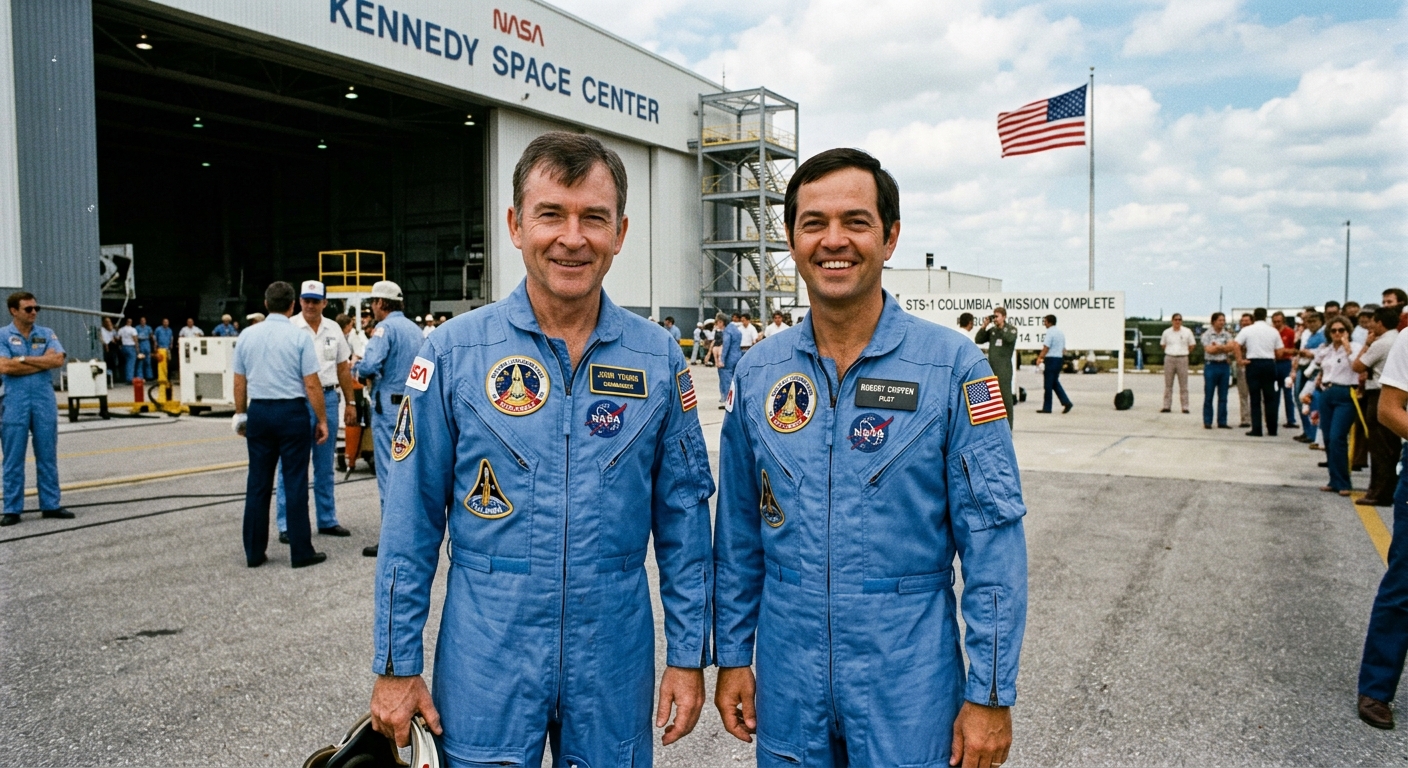
Astronauts John Young and Robert Crippen in their flight suits following the successful landing of STS-1
On April 14, 1981, the Space Shuttle Columbia successfully landed at Edwards Air Force Base in California, completing its inaugural STS-1 mission. The flight was the first of the Space Shuttle program and the first time a new spacecraft had carried a crew into space on its maiden voyage. The successful return of astronauts John Young and Robert Crippen proved the feasibility of a reusable spacecraft and inaugurated a new era of space exploration.