![[e]Photo Stream](/logo.png)

April 12
5 moments across history
Yuri Gagarin Becomes the First Human in Space
On April 12, 1961, Soviet cosmonaut Yuri Gagarin made history aboard the Vostok 1 spacecraft, becoming the first human to journey into outer space and orbit the Earth. His flight lasted 108 minutes and represented a monumental achievement in the Space Race, proving that humans could survive in weightlessness and return safely. Gagarin’s calm courage and his famous exclamation 'Poyekhali!' (Let’s go!) resonated globally, marking the dawn of the human spaceflight era.
Yuri Gagarin inside the Vostok 1 space capsule before launch, April 12, 1961
The American Civil War Begins at Fort Sumter
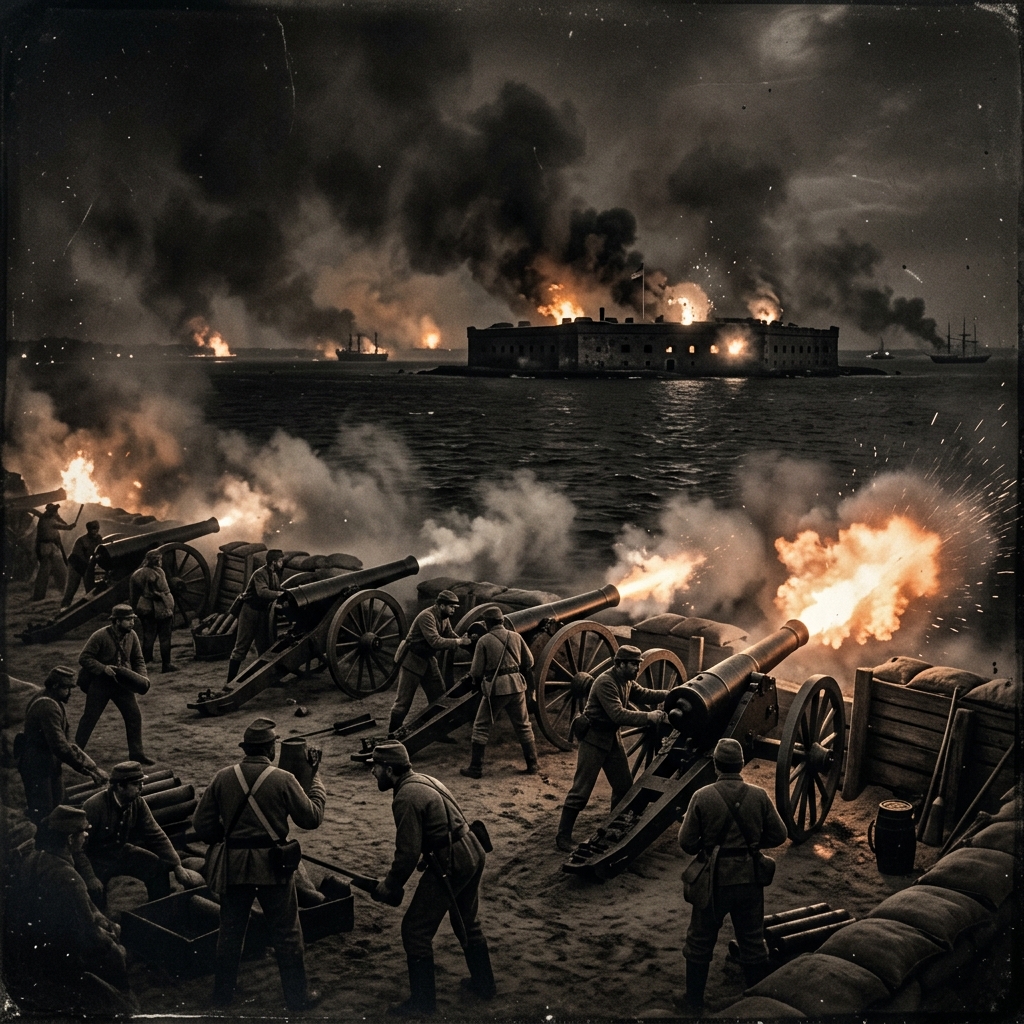
Confederate batteries firing on Fort Sumter in Charleston Harbor, April 12, 1861

The interior of Fort Sumter under bombardment as the American Civil War begins
On April 12, 1861, Confederate forces fired the first shots of the American Civil War on the federal garrison at Fort Sumter in Charleston Harbor, South Carolina. The bombardment lasted 34 hours and signaled the collapse of decades of political compromise over slavery and states' rights. The event unified both the North and the South in their respective causes, leading to a devastating four-year conflict that would fundamentally reshape the United States.
First Space Shuttle Flight (STS-1) Launches

Space Shuttle Columbia lifting off from Kennedy Space Center on STS-1, April 12, 1981
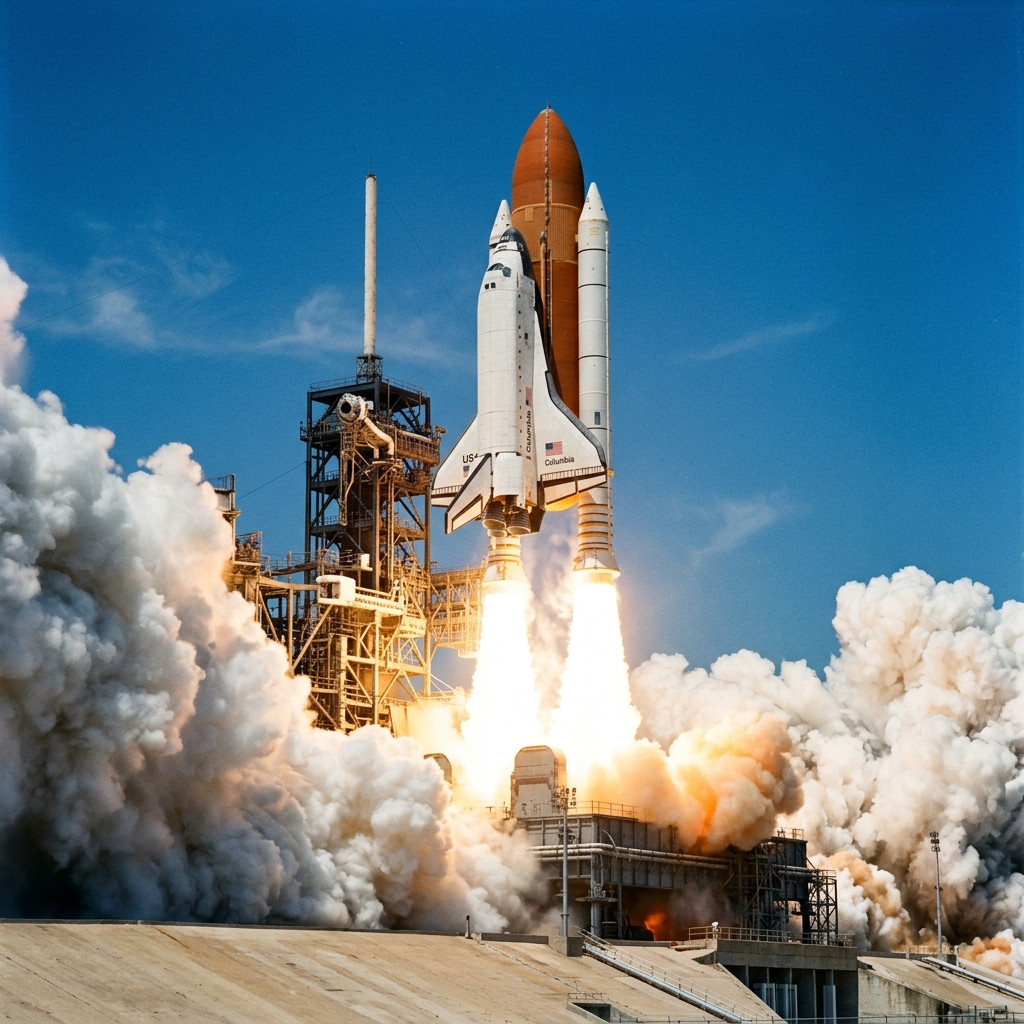
The Columbia orbiter in flight, demonstrating the first reusable spacecraft technology
On April 12, 1981—exactly 20 years after Gagarin's flight—NASA launched Space Shuttle Columbia on STS-1, the first orbital test flight of the Space Transportation System. Commanded by John Young and piloted by Robert Crippen, it was the first time a new spacecraft was launched with a crew aboard without prior unmanned tests. The mission proved the feasibility of a reusable orbital vehicle, paving the way for decades of research and deployment in low Earth orbit.
Jonas Salk’s Polio Vaccine Declared Safe and Effective
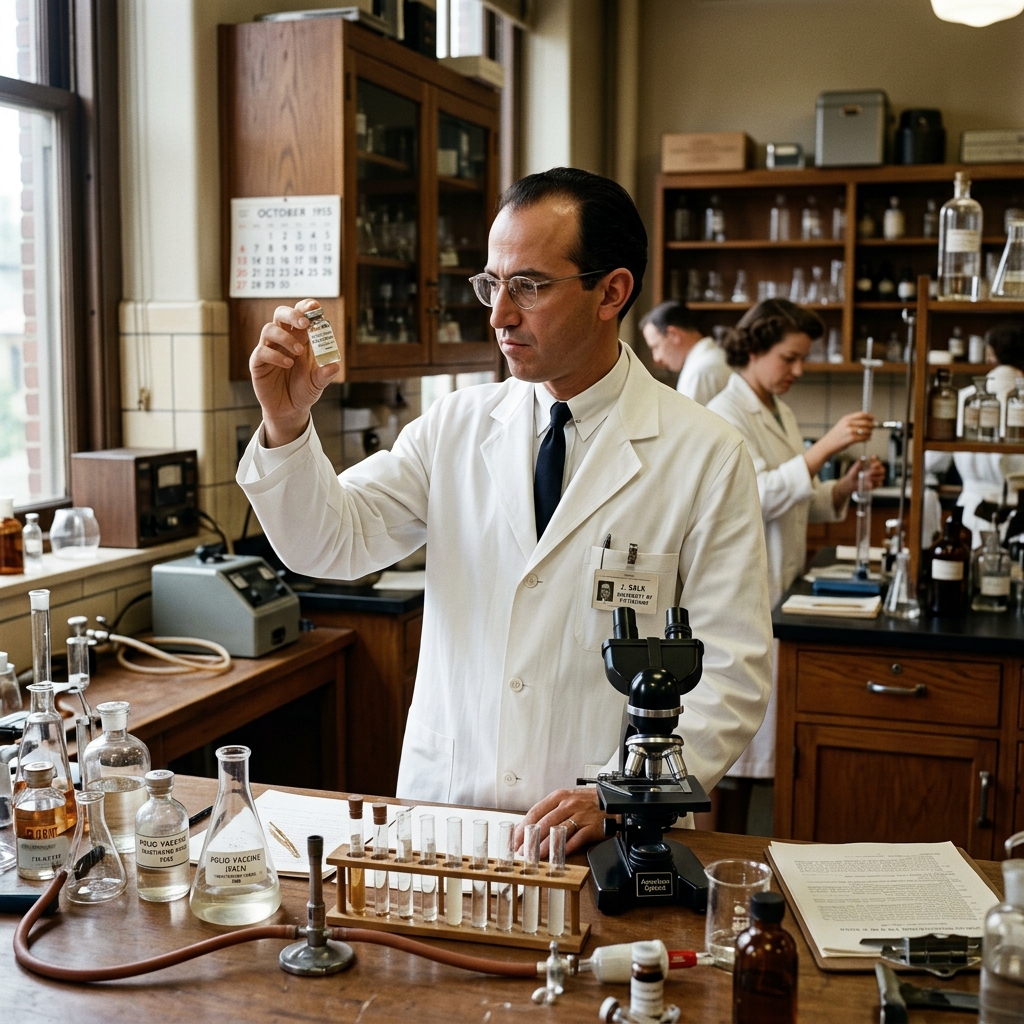
Dr. Jonas Salk in his laboratory working on the polio vaccine, 1955
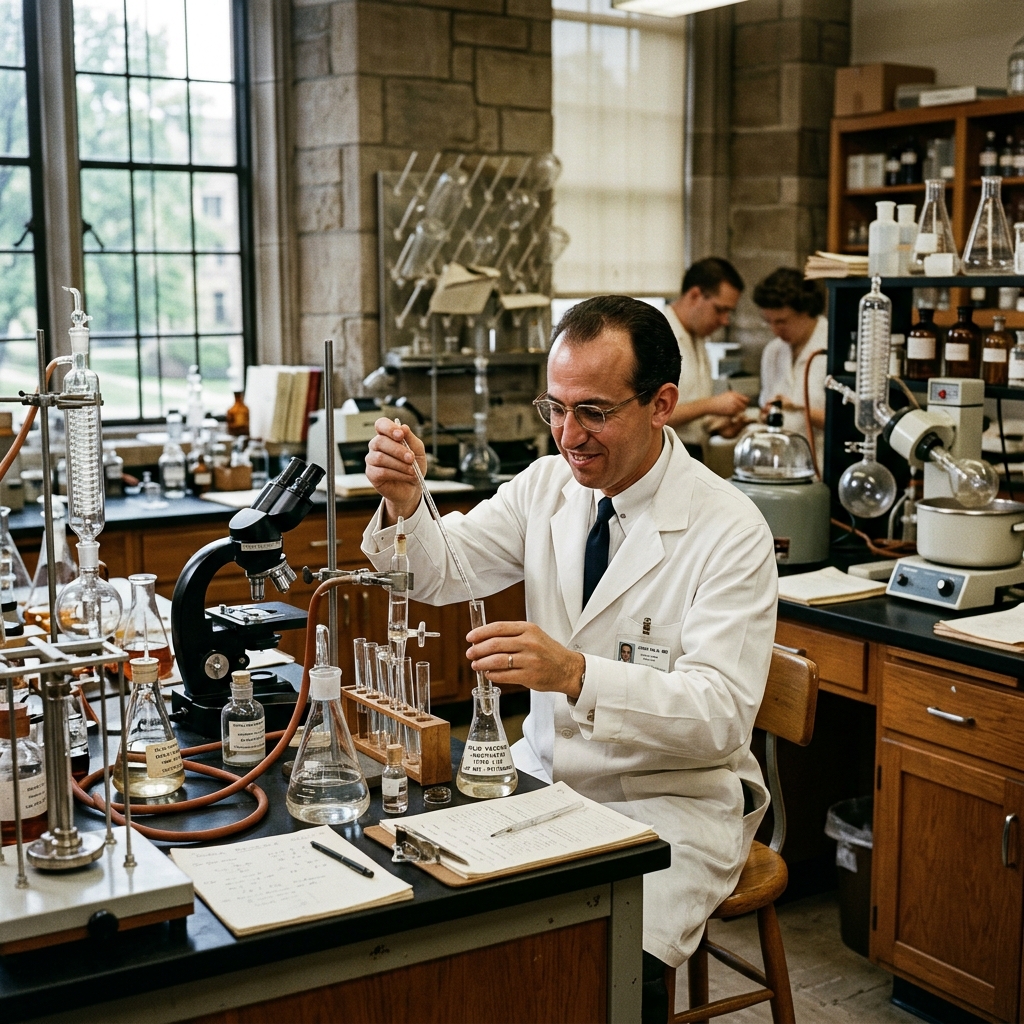
Children receiving the first mass-distributed polio vaccines following the announcement
On April 12, 1955, the results of the largest field trial in medical history were announced: the polio vaccine developed by Dr. Jonas Salk was safe, effective, and potent. The news triggered spontaneous celebrations across America, as polio was one of the most feared diseases of the time, paralyzing thousands of children annually. Salk’s decision not to patent the vaccine allowed it to be distributed rapidly, leading to the near-eradication of the disease globally.
President Franklin D. Roosevelt Dies

The Little White House in Warm Springs, Georgia, where FDR passed away, April 12, 1945

Mourners gathered in Washington D.C. as the nation reacts to the loss of President Roosevelt
On April 12, 1945, President Franklin D. Roosevelt died suddenly in Warm Springs, Georgia, during the final weeks of World War II in Europe. FDR had led the United States through the Great Depression and most of the war, serving an unprecedented four terms. His death stunned the nation and the world, leaving Vice President Harry S. Truman to oversee the conclusion of the war and the beginning of the post-war global order.